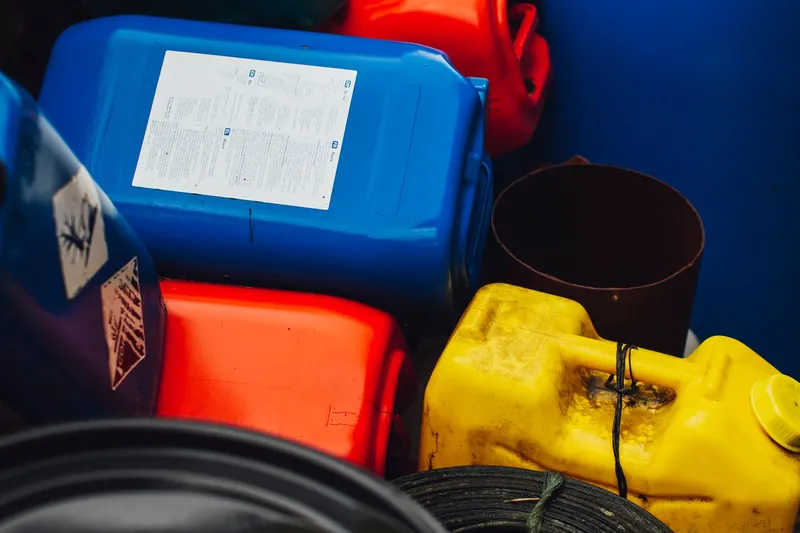
Chemical and Toxic Waste Cleanup
Waste cleanup removes toxic and chemical material for safe disposal.
See chemical and toxic waste cleanupGet hazardous materials, chemical residue and contaminated items assessed and cleaned in Westview. The hazard is identified first so containment, protective equipment, cleaning and waste disposal fit the material.
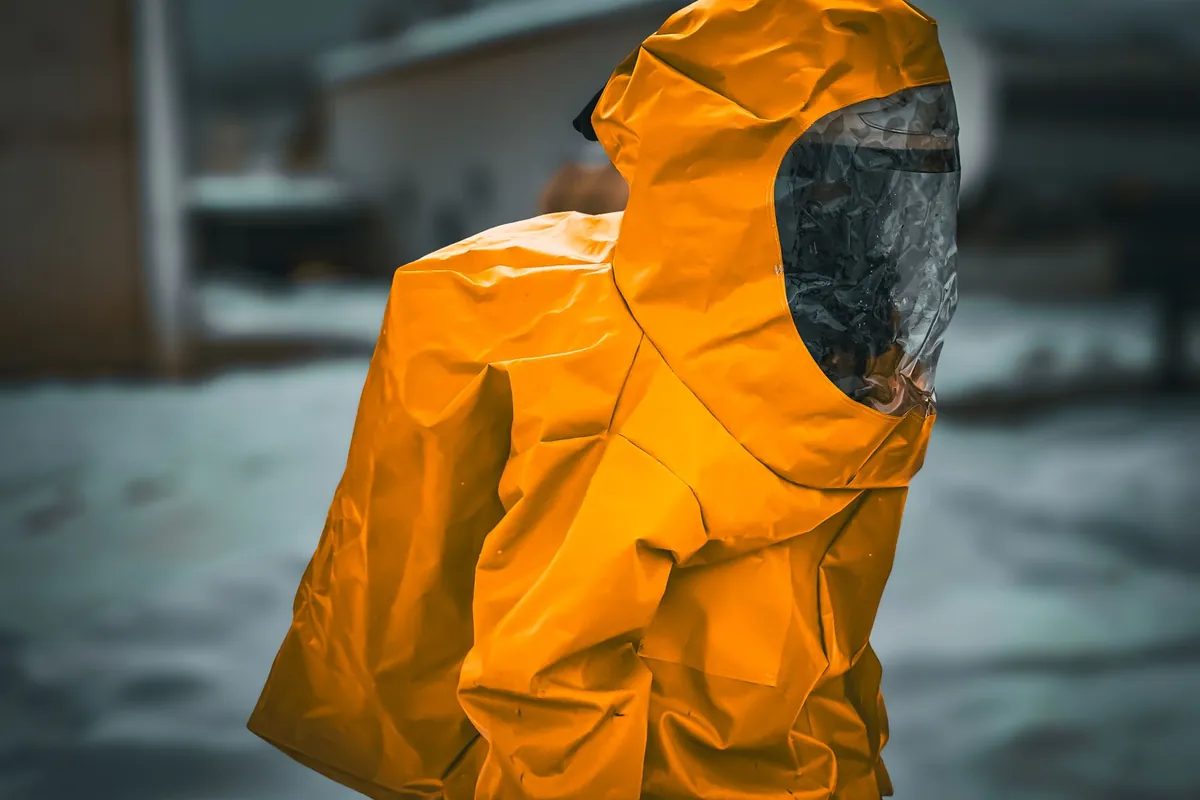
The careful, controlled treatment or removal of hazardous substances is hazmat cleanup. These substances may cause harm to people, the environment or property through fire, exposure by touch, breathing, a reaction or contamination.
The work may involve a chemical spill, unknown powder, fuel residue, corrosive material, toxic waste or a biological hazard. Biological hazards such as blood and bodily fluids can carry bloodborne pathogens. Chemical hazards may burn, poison, react or release harmful vapor. Because those risks differ, a hazmat cleaner should not treat every substance with the same product or process.
Before cleaning, the available information is used to determine what the material is. That evidence may include testing, the container, a label, an incident report or the Safety Data Sheet. The affected location and adjacent spaces are secured next. Protective equipment, containers, tools and absorbents are selected to match the substance. Safe-to-clean materials are treated, and anything that cannot safely remain is removed through an appropriate waste disposal path.
You can use pictures, the cleanup scope, waste documents and a list of removed items when insurance companies or property managers ask for details.
You can move forward after hearing what is known, what must still be identified and how the proposed scope treats the affected area.
Salvageable items are isolated from porous contents that retained the hazardous material. If safe handling is possible, crews discuss your valuable or meaningful property with you.
Calls are answered day and night, and crews arrive in unmarked vehicles. The situation can be explained discreetly, without involving anyone else around the property.
You may need hazmat cleaning when ordinary methods risk exposing you to dangerous material or carrying it onto other surfaces. Situations commonly requiring it include:
Leave spilled chemicals, mixed containers and unidentified material untouched by routine cleaners when found in a garage, basement, workshop or storage space.
Tools, machinery or protective equipment need a material-specific decontamination plan before they can be touched, moved or used again.
Biological material such as bodily fluids, blood or sharps needs a plan distinct from chemical-residue work, with precautions for bloodborne pathogens.
A store, office, warehouse or managed property needs containment, controlled cleaning and records for the property owner or insurance company.
Your first job is to avoid exposure and keep the material from spreading. Before a professional cleanup service begins:
Call (888) 351-0904One and Done Prep's Hazmat Cleaning Cost guide lists $4,000 to $40,000 per job for small to mid-size spaces. It lists $6 to $20 per square foot for initial cleanup and containment. Hazmat cleanup cost varies widely because the substance, square footage, containment, waste disposal, permits and inspections can all change the scope. An assessment is needed before the final price can be set.
The figures shown are national ranges from published cost guides and are not based on an on-site visit. After an on-site assessment, the price for your property is determined and shared with you before cleanup begins.
Ask about cost: (888) 351-0904Insurance coverage for hazmat cleanup depends first on whether the policy covers its cause. Payment may then be affected by the deductible, limits and exclusions for contamination.
Local obligations and the details of the policy, lease and event may affect who pays and organizes the work. Responsibility should not be assumed prior to checking the available evidence and paperwork.
Ask what the adjuster needs before work begins when there is time to do so. Keep a cleanup plan, pictures, disposal records and a list of removed materials to support the claim explanation.
Explain to your insurance company where the contamination happened and what led to it. Find out whether coverage includes cleaning, damaged items, waste disposal and necessary repairs.
A business or property owner should keep incident details, affected-area photos taken from a safe place, an item inventory and records from the cleanup service.
The exact cleaning process changes with the material, but professional cleanup follows a controlled order. Every step should keep contamination inside the affected areas and protect clean spaces.
The assessment includes any available product labels, Safety Data Sheets and facts about the incident. The affected area, surfaces needing work and possible spread routes are marked before cleanup begins.
The work zone is separated from occupants and unaffected rooms. When contamination could leave its starting point, crews manage openings and pathways that might carry it.
Protective clothing, gloves, eyewear and respiratory gear must suit both the identified hazard and the cleanup activity. A universal kit is not appropriate.
Crews stop the source only if doing so is safe. Materials that suit the hazard, including absorbents and containers, are used to limit additional spread.
Crews match the decontamination method to the substance on cleanable equipment and hard surfaces. An EPA-registered disinfectant remains on biological contamination for the entire contact time stated on its label.
Crews document and package porous or damaged contents when decontamination cannot be completed safely. You help evaluate personal property before disposal whenever conditions make that safe.
Waste is placed in compatible, closed containers and directed to the waste path required for the identified material. You can keep records for insurance and property purposes.
The work area is checked against the cleanup scope. You learn what cleanup covered, which materials left the property and whether repairs or additional restoration services remain necessary.
You can call anytime. A hazmat cleanup specialist answers, explains the steps and agrees a start time with you.
Contact with hazardous material can seriously harm health through breathing, puncture, swallowing or skin exposure. Using an unsuitable cleaner may also spread it or trigger a reaction.
Your eyes, skin and breathing may be affected by liquids, airborne dust or vapor. The correct protective equipment depends on the identified substance, its concentration and how exposure can occur.
Contamination may travel beneath shelves, past baseboards, along flooring seams or across the inside of a vehicle. Residue can be left in place if you clean only the apparent spill.
Residue and smells can remain in porous possessions, while dust or vapor may affect surrounding areas. Before anything is cleaned, taken away or put back, its condition should be assessed.
Can you clean it yourself? A small spill is not automatically safe. Follow the product label and Safety Data Sheet only if the material is known, the release is controlled and the instructions clearly cover the situation. An unknown, highly toxic, reactive or expanding release should remain untouched, and urgent danger calls for an emergency response.
No safe set timeframe applies to hazmat cleaning before the material, affected spaces and waste disposal requirements are established. Work might need to wait while an active hazard is controlled or necessary permits, inspections or testing are completed.
| Scene | Typical time on site |
|---|---|
| An identified substance contained to a single space | Duration is estimated once the property has been evaluated |
| Affected areas in several rooms or unidentified material | Define the substance and scope before cleaning |
| Building-material removal, inspection or specialized waste disposal | Total timing reflects every phase that applies |
A smell may signal a problem, yet it cannot tell you which substance is present or confirm the space is safe. Never move in close to locate an odor. To remove it, first identify the material responsible and either treat that material or take it away.
Assessment after removal of the source includes hard surfaces, porous materials and the paths of moving air. Some vapors and dusts can spread through airflow, so ventilation or air-cleaning machinery has to match the known hazard. A fragrance masks smell without removing it. Final air quality choices must reflect the material involved, the scope of cleaning and any situation-specific testing.
Federal rule 29 CFR 1910.1030 requires training, protective equipment and work practices when employees could encounter blood or material that is potentially infectious.
Biological contamination calls for disinfectant registered by the EPA, applied so it remains wet for the label's complete contact period. Disinfecting products are not all-purpose neutralizers for chemical hazards.
Florida calls it biomedical waste, and the term covers absorbent materials saturated with blood or body fluids. The Florida Department of Health's rules control packing, transport and treatment, so it cannot go in household trash.
Local health and building rules can affect how a contaminated room is cleaned and when it can be used again, so mention any notice you have received from the city or county.
The full hazmat cleanup guide covers what is cleaned or removed, odor and air quality work, and the rules that apply in your state.
Read the full hazmat cleanup guide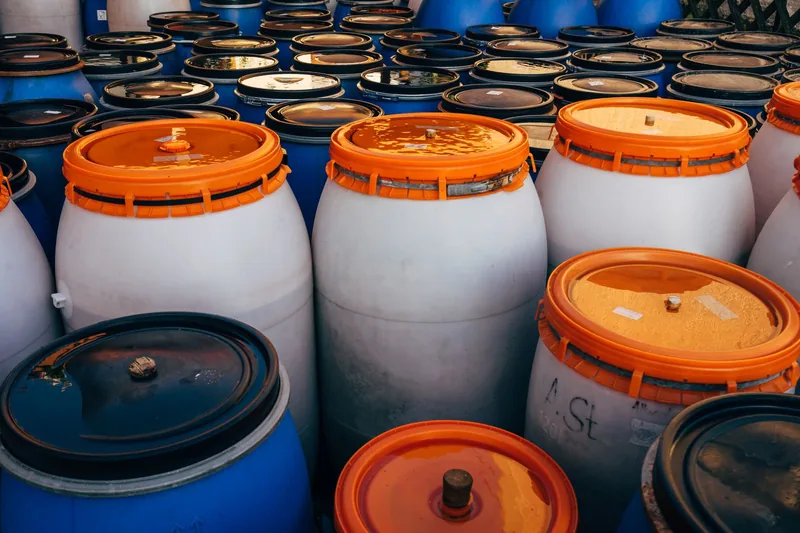
Local housing, population and access details can shape containment, access and cleanup planning.
In Westview, 34.5% of homes are renter occupied, so privacy and simple communication matter when a property contact is involved.
A median build year of 1962 means fluids can pass through carpet or seams and affect padding or subfloor below.
Even at 15.9%, seniors living alone can benefit from regular contact that shortens the time before an emergency is noticed.
Detached and single-family properties account for 75.4% locally, so exterior access and safe waste movement should be planned early.
You can ask about cleanup in nearby communities and ZIP codes during the call.
Waste cleanup removes toxic and chemical material for safe disposal.
See chemical and toxic waste cleanup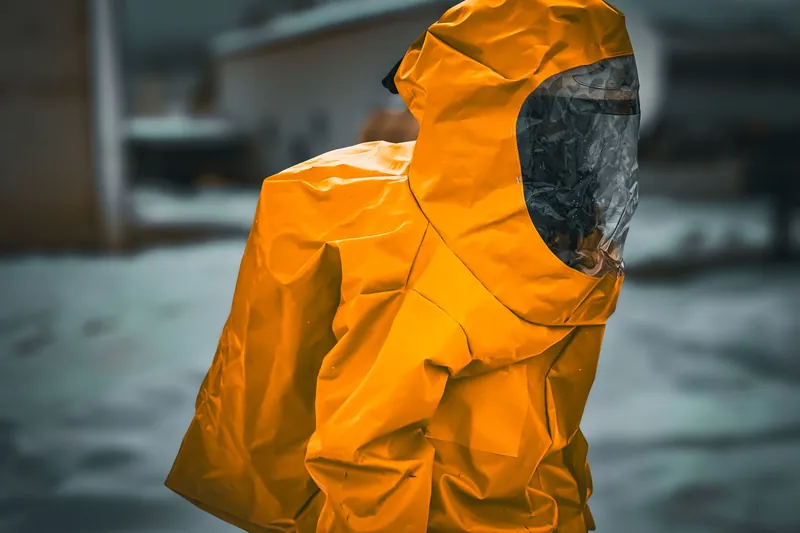
Blood, body fluids and other infectious materials are removed, followed by property disinfection.
See biohazard cleanup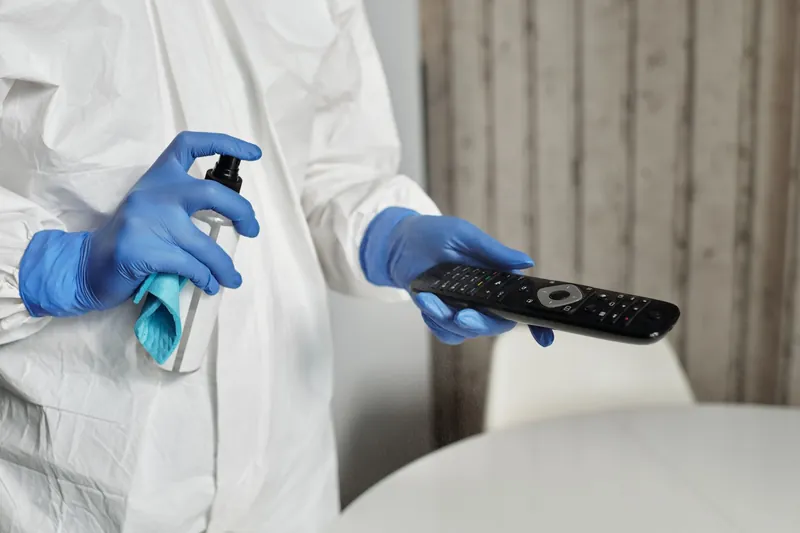
A contaminated space is restored to safe use through biological remediation and contaminant removal.
See biohazard remediation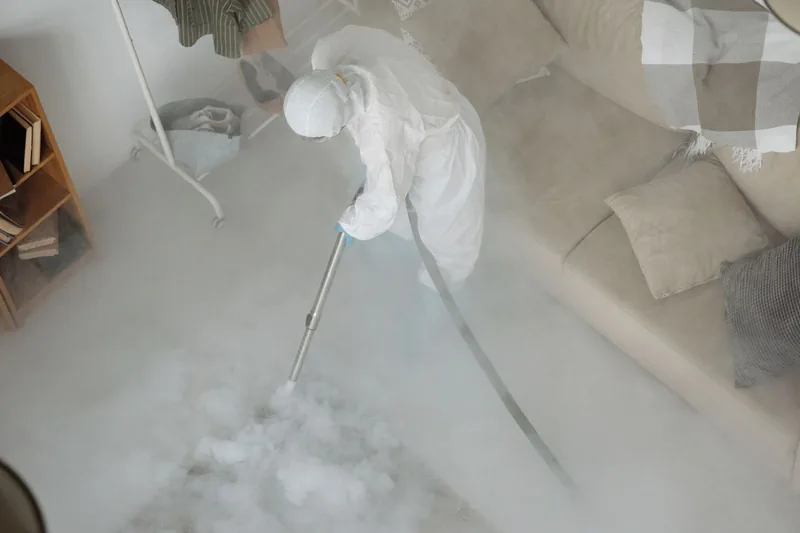
After exposure to infectious or hazardous material, the air, room and surfaces are fully decontaminated.
See biohazard decontamination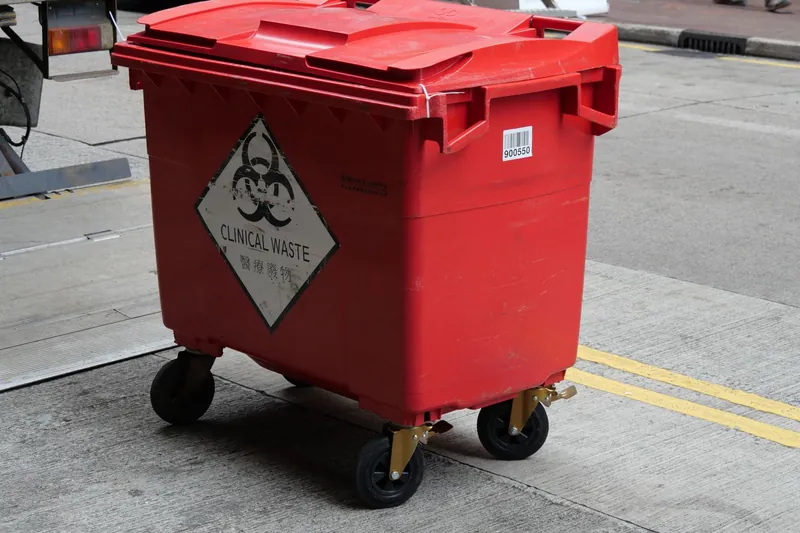
Medical waste removal covers disposal through an approved facility used for treatment.
See medical waste removal
Biohazard waste pickup and disposal in sealed, labeled containers.
See biohazard waste disposal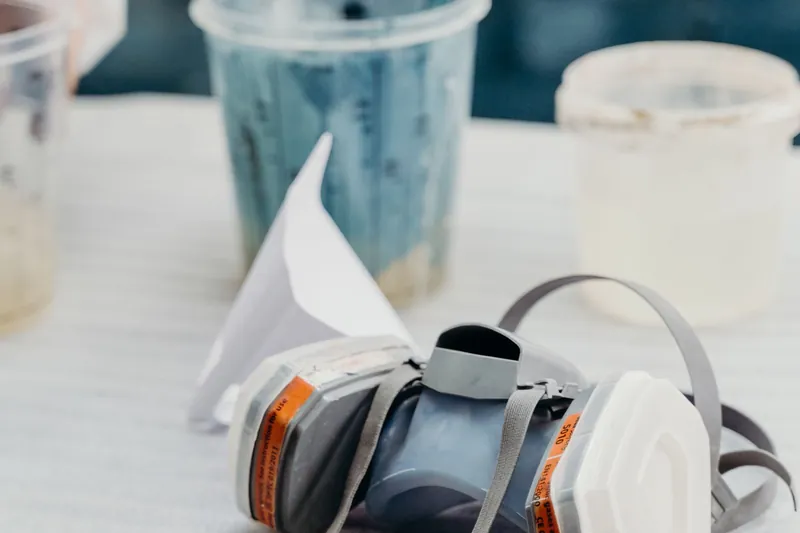
Meth lab cleanup includes testing for residue, decontaminating the space and completing clearance steps.
See meth lab cleanup
Rooms, vehicles and exposed surfaces receive decontamination following fentanyl exposure.
See fentanyl decontaminationA safe schedule can be determined only after the material is identified and the cleanup scope is defined. A controlled area with an identified material has fewer unknowns than a release involving several rooms, hidden travel or special disposal. Identification, containment, cleaning, removal, waste handling, repairs and any required inspection can each affect when the property is ready.
Spraying a disinfecting product alone does not complete the work. After removal, cleaning and full disinfectant contact time, the area should be checked against the work scope. All waste requires sealed packaging, removal and delivery through the applicable disposal channel. The cleanup file should list what crews treated and took away, along with outstanding repair needs.
First identify the material without opening, smelling or mixing it. Restrict entry and consult any Safety Data Sheet or label for directions that apply to the material. Disposal depends on the substance and local rules. Do not place an unknown chemical, contaminated absorbent or leaking container in household trash unless the applicable instructions clearly allow it.
It may, depending on what caused the release and the terms, exclusions, limits and deductible in your policy. When immediate safety calls are finished, report the cause to the insurance company without moving or touching the material. For each category, ask about later testing or restoration, hazardous waste disposal, personal property, damaged building materials and contamination cleanup.
Possibly. Whether a tool can be saved is based on the substance, its construction and seams, electronic parts and cleaning restrictions from the manufacturer. Compatible smooth equipment may allow decontamination. Porous, damaged or inaccessible parts may not be safely cleanable. Leave contaminated equipment switched off and in place until someone evaluates both the hazard and the item's condition.
For small to mid-size areas, the Hazmat Cleaning Cost guide from One and Done Prep gives $4,000 to $40,000 per job, with initial containment and cleanup listed at $6 to $20 per square foot. Your total is shaped by the substance involved, size of the space, containment, protective equipment, disposal, accessibility and any inspection or permit requirements.
Discreet, respectful hazmat cleanup, 24 hours a day, with crews in unmarked vehicles.