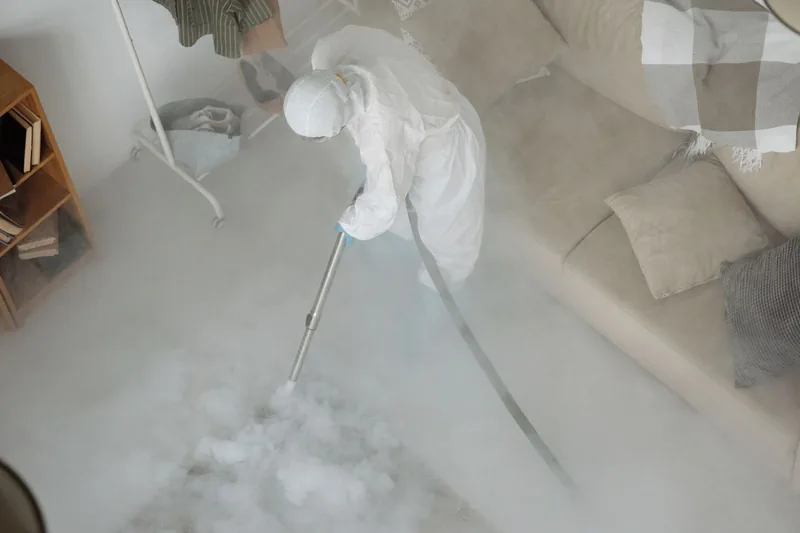
Biohazard Decontamination
Full decontamination of rooms, surfaces and air after infectious or hazardous exposure.
See biohazard decontaminationGet suspected fentanyl powder and residue assessed and cleaned from a home, rental, business or vehicle in The Roads. The cleanup can include containment, material removal, controlled disposal and verification.
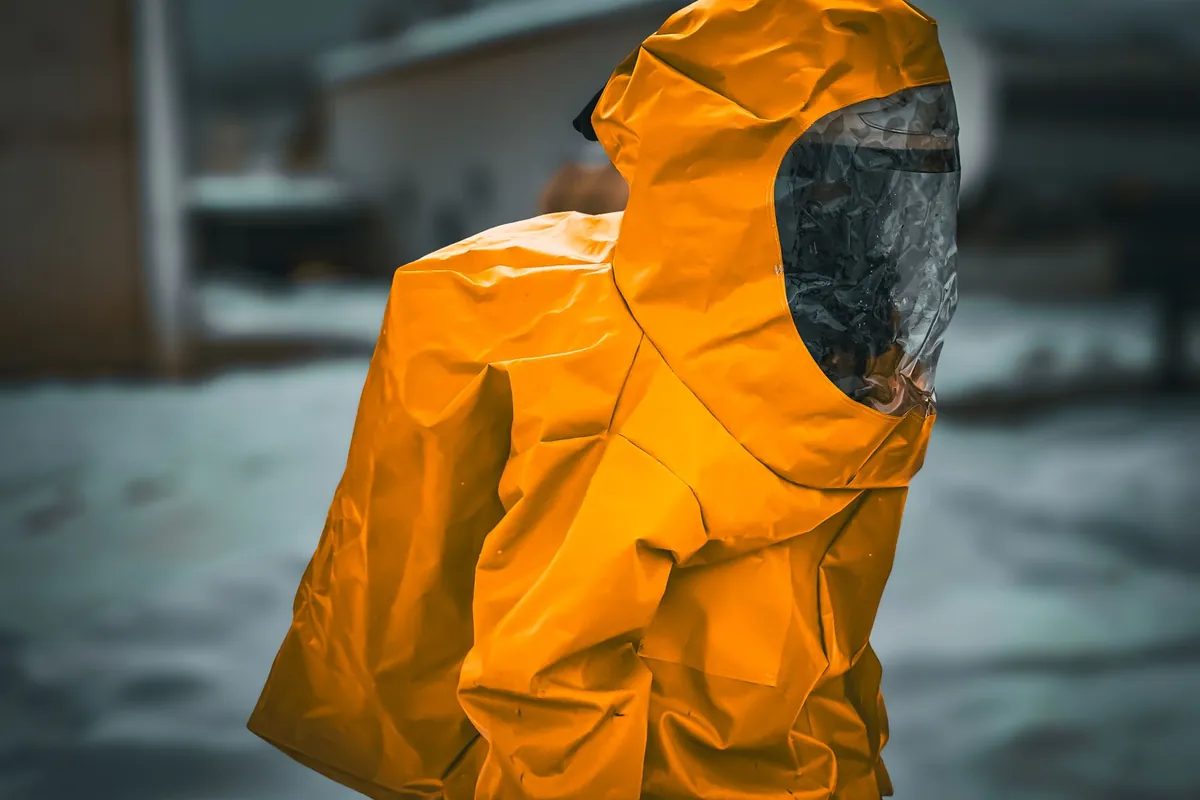
Fentanyl decontamination uses controlled methods to clean suspected powder and residue from a room, vehicle, personal belongings or building surfaces. This allows an evaluation of whether the affected area is safe to use.
This is not ordinary cleaning. Powder from fentanyl, a potent synthetic opioid, may reach other surfaces through a vacuum, a broom, airflow or the soles of shoes. The professional approach controls that movement and finds affected materials. It also calls for protective equipment appropriate to the conditions.
The scope may include residue assessment, containment, careful collection of loose material, surface cleaning, removal of items that cannot be cleaned, waste disposal and verification. Drug paraphernalia, needles, unknown powders or bodily fluids can add separate hazards. Each one is assessed before the cleaning process begins.
Each belonging is assessed for its material and contamination exposure. When conditions allow, you discuss a list of belongings before their removal.
You can call during the day or night, and crews use unmarked vehicles to respect your privacy at a business, rental, home or vehicle.
You receive details about included areas, proposed testing and possible cost changes before choosing how to move forward.
Photographs, work notes, test paperwork and waste records can support conversations with insurance companies and property documentation.
Consider fentanyl cleanup when drug-use items, possible powder or suspected residue might have been left inside a property or vehicle. Common examples are:
The substance is not confirmed, so the area is treated cautiously while testing, sharps and hazardous waste needs are considered.
Powder, packaging or drug paraphernalia is found after a tenant leaves, and property owners need the affected areas assessed before new occupancy.
A truck or car may have suspected powder in its vents, storage areas, door panels, carpet or seats.
Law enforcement has released the property, but suspected drug residue and items left behind still need controlled cleanup.
Start by preventing contact and movement. If anyone is unconscious, breathing slowly or showing signs of possible opioid overdose, call 911 and use naloxone if it is available and you know how to use it.
Call (888) 351-0904One published biohazard pricing guide lists a per-job fentanyl cleanup range of $3,000 to $20,000 while another gives $5,000 to $30,000 for each job. These general guide ranges do not represent a site-specific price. The final scope reflects the quantity and reach of residue, testing needs, protective gear, disposal and any materials requiring removal.
Published national cost guides are the source for these ranges, rather than an inspection of your property. The price for your property is set after the on-site assessment, and you hear it before work starts.
Ask about cost: (888) 351-0904Coverage for fentanyl cleanup depends on the insurance policy, what caused the loss and the kind of property involved. Unless an immediate safety emergency exists, contact the insurance company before cleanup begins. Never presume that the policy includes drug residue.
Keep the incident report, photos taken from a safe place, cleanup scope, testing records, item list and waste documents for insurance assistance or property records.
A policy may exclude contamination, illegal activity or tenant damage. State the facts to the insurer, seek its coverage determination and record the claim number.
The property owner may set up cleanup first, then resolve costs under the lease, an insurance claim or a legal process. Payment responsibility varies with the circumstances.
Homeowners or renters insurance is usually the first place to ask about cleanup costs. After a death the estate often pays, and in a rental the owner usually arranges the cleanup.
A fentanyl remediation process moves from assessment to containment, cleaning, disposal and verification. The exact method depends on the substance, amount, surfaces and whether the contamination is limited to one spot or has spread.
Technicians examine what was found, any police information and the rooms, vehicle zones or belongings that may be affected.
When the substance or affected boundaries remain uncertain, samples may be gathered under controlled conditions for appropriate analysis.
Documented site conditions guide the choice of gloves, garments and breathing protection while airflow is evaluated and the workspace is secured.
Loose material is collected without dry sweeping or an ordinary vacuum, reducing the chance that particles reach surrounding areas.
A suitable opioid residue method and cleaning product are applied to hard surfaces based on each material's needs and product directions.
Porous or damaged items that cannot be cleaned adequately are separated, packaged and listed before leaving the work area.
Recovered powder, removed items and used protective equipment are packaged, then routed according to their waste classification.
After the scope is finished, technicians inspect it and may collect follow-up samples when the plan or property choice requires them.

Call at any time. Your fentanyl decontamination specialist answers the phone, describes what happens next and works with you on a start time.
Treat suspected fentanyl residue cautiously. Powder can cause serious harm through inhalation or contact with the nose, eyes or mouth, particularly if you do not know what the substance is or how much is present.
Your hands, shoes, personal property or cleaning equipment can carry contamination. Keeping contamination within the affected area can limit the size of the remediation process.
What appears to be powder can contain a mixture, fentanyl or some other drug. Appearance alone cannot confirm what it is, so careful assessment and testing may be needed.
Walking through the area, using compressed air, sweeping dry material or vacuuming normally may carry small particles into adjacent rooms, belongings or parts of a vehicle.
Can you clean it yourself? You should not clean unidentified powder as an everyday home spill. Although short skin contact alone is unlikely to result in a fentanyl overdose, you should exit, avoid face contact and clean exposed skin using soap and water. Call 911 for breathing problems, severe sleepiness or unresponsiveness.
Cleaning may be possible for hard surfaces that can be reached, but deeply contaminated porous materials might require removal. Decisions depend on material condition along with verification requirements.
One workday may be enough for a small fentanyl cleanup that remains contained. Work can continue for several days if it involves multiple rooms, material removal, the inside of a vehicle or laboratory testing. A useful schedule comes from the assessment.
| Scene | Typical time on site |
|---|---|
| Small, contained hard-surface area | Could be completed within one workday following assessment |
| One vehicle or room with contamination on multiple surfaces | Could need one to several workdays |
| Multiple areas, removal or laboratory testing | Several days may be needed, plus laboratory time |
Fentanyl residue may not have a reliable warning odor, so smell cannot show whether a room or vehicle is clean. Fragrance, air freshener and ozone do not replace residue removal and surface decontamination.
Air quality measures are used to limit particle movement throughout cleanup. Suitable filtration equipment may be used along with containment and managed airflow, but these steps do not eliminate the need to collect the source and clean contaminated surfaces. When an unrelated substance creates persistent odor, it must be identified separately before that odor is removed.
The full fentanyl decontamination guide covers what is cleaned or removed, odor and air quality work, and the rules that apply in Miami-Dade County and Florida.
Read the full fentanyl decontamination guideContainment, entry and cleanup plans can be influenced by local housing, population and access details.
Jackson Health System is about 2.1 miles from The Roads, which is useful to know when an exposure or injury needs medical attention.
The location sits near East Little Havana, Latin Quarter, and Brickell Village, making local landmarks helpful when a property entrance is hard to find.
Neighborhood level directions help narrow the location, but crews still need entrance details before bringing containment and cleaning equipment inside.
You can ask about cleanup in nearby communities and ZIP codes during the call.
Full decontamination of rooms, surfaces and air after infectious or hazardous exposure.
See biohazard decontamination
A contaminated space is restored to safe use through biological remediation and contaminant removal.
See biohazard remediation
Cleanup removes drug residue, pipes and discarded needles from rentals and other properties.
See drug paraphernalia cleanup
Needles and other sharps are removed from rentals, yards, encampments and parks.
See needle and sharps cleanup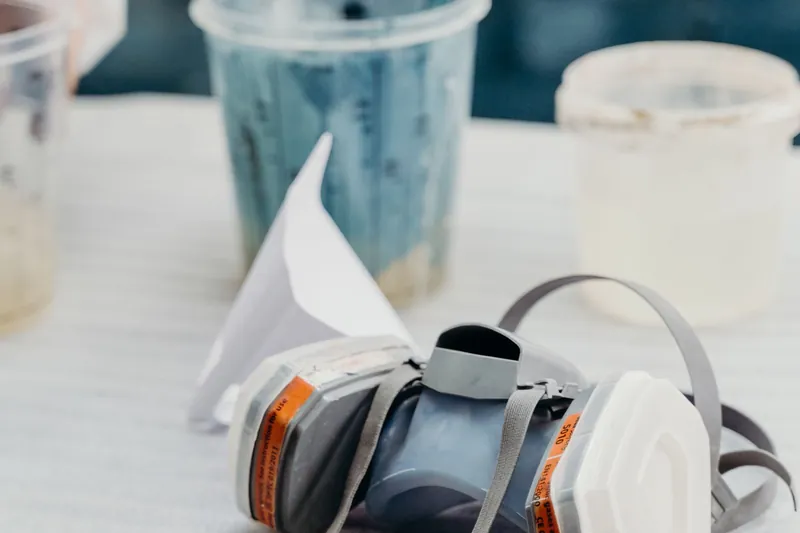
Meth lab cleanup with residue testing, decontamination and clearance steps.
See meth lab cleanup
Hazmat cleanup of hazardous materials with the right protective equipment.
See hazmat cleanup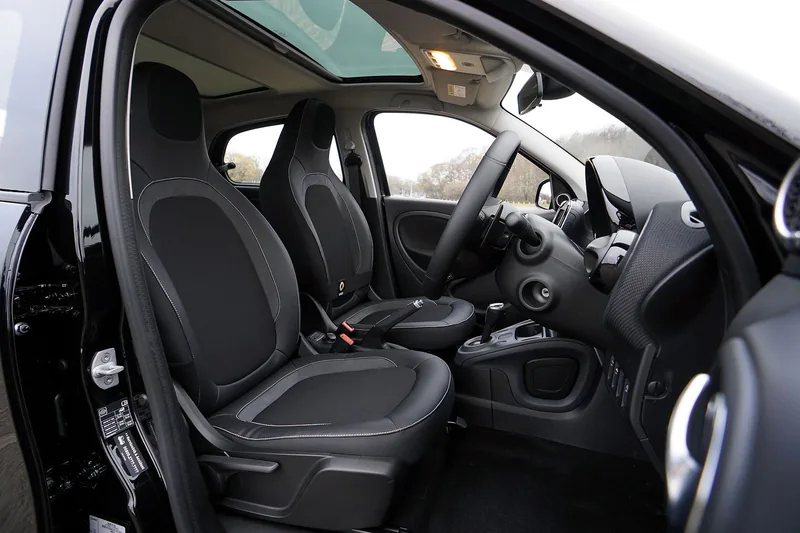
Cars, boats, trucks and RVs receive vehicle biohazard cleanup.
See vehicle biohazard cleanup
Rental property biohazard cleanup covers hotels and Airbnb units as well as rentals.
See hotel, airbnb and rental biohazard cleanupNever create your own chemical blend to address possible fentanyl. The cleaning product must match the identified contamination and be compatible with the surface, with all directions followed. Keep bleach and other harsh chemical products away from your skin. If contact reaches your skin, move away and clean it using soap and water.
First, the home is evaluated to locate affected areas. Entry to the identified work zone is then controlled. Loose material is collected under controlled conditions. Technicians use an opioid residue method on cleanable surfaces but may take out absorbent materials with deep contamination. When required, follow-up sampling joins inspection in documenting the finished cleaning process.
Biohazard cleanup price guides publish general fentanyl cleanup ranges of $3,000 to $20,000 and $5,000 to $30,000 per job. Testing, waste disposal, the affected area, removal needs and protective gear determine the scope. A site assessment is needed before those guide ranges can be applied to your property.
Coverage is variable. Some policies exclude contamination, illegal activity or tenant damage, while the facts of another loss may lead to a different decision. Explain the event to the insurance company, request a decision on drug residue testing and cleanup, and retain every cleaning record along with your claim number.
Law enforcement might remove illegal drugs and evidence, while property decontamination typically occurs as a separate step after release. Before entering, get permission and ask what cannot be moved. Organize cleanup of residue, paraphernalia and affected property still onsite.
Potentially. A car or truck may contain suspected residue across its seats, carpet, console, door panels, compartments or interior property. Cleaning fentanyl from vehicles requires attention to absorbent materials and small spaces. When suspected powder could be by a vent or intake, avoid switching on the fan.
Respectful, discreet fentanyl decontamination is available 24 hours a day, and crews arrive in unmarked vehicles.