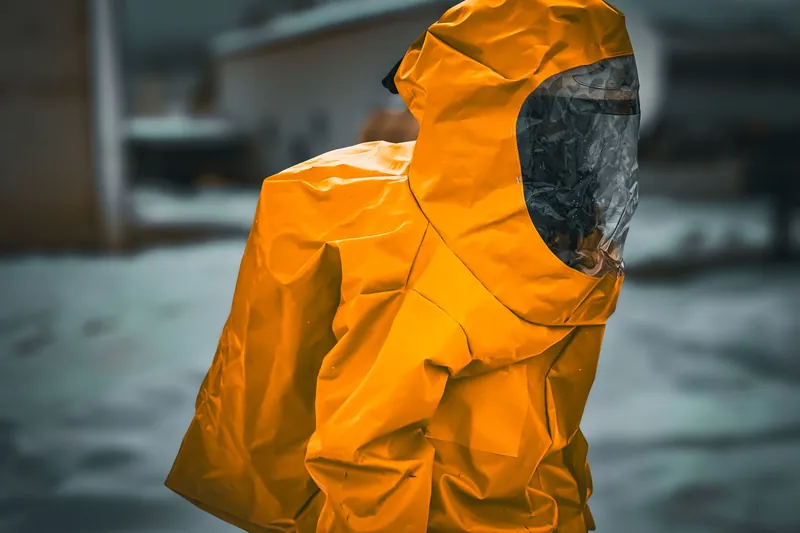
Biohazard Cleanup
Cleanup removes infectious material, including blood and body fluids, and disinfects the property.
See biohazard cleanupWhen blood, bodily fluids, sewage or another biological hazard makes a space unsafe, keep people away and get clear next steps right away. Cleanup can begin after law enforcement or other officials release the affected area.
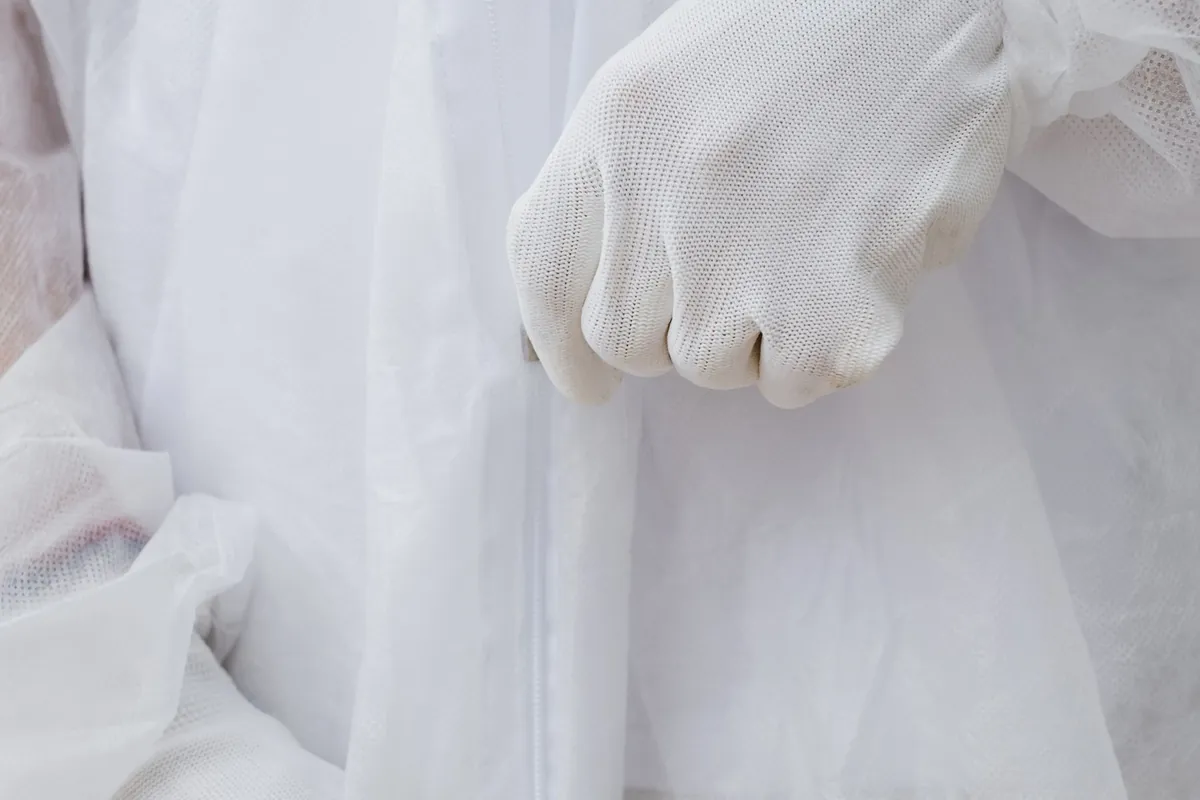
Emergency biohazard cleanup urgently controls and removes biological contamination, then cleans and disinfects the affected space. It applies to human waste, blood, bodily fluids and other material that could cause illness or injury through exposure.
Emergency cleanup may be necessary after an unattended death or crime scene, as well as a trauma, accident, sewage backup or substantial blood spill. The initial priority is stopping biological contamination from spreading beyond the affected space. Technicians locate the impact, establish isolation and organize a safe order for each cleanup task.
Visible dirt may come off with ordinary cleaning, but biohazard remediation requires more. Workers use protective equipment and carefully remove contaminated material. They clean surfaces, apply an EPA-registered disinfectant for the entire label contact time, package hazardous waste, address odor and complete a final inspection. This work helps the space progress toward clean, normal use.
You can explain the situation day or night and get immediate safety instructions while access, scene release and cleanup needs are assessed.
Crews arrive in unmarked vehicles. The affected space may be screened from visitors, nearby residents and other areas that remain unaffected.
Waste records, images and project notes can help either an insurance company or a property manager understand biohazard remediation.
You hear what will be cleaned, what may need removal and what affects cost before the cleanup process moves forward.
You may need emergency biohazard cleaning if biological material poses a serious health danger or may move into other parts of a house, workplace or vehicle. These are common examples:
An accident, suicide or violent event may leave bodily fluids and damaged materials across one or more affected areas.
A death found after time has passed may require fluid removal, odor treatment and careful sorting of nearby belongings.
The scene must be released by law enforcement after evidence collection ends before cleanup starts.
Water from a sewage backup is Category 3 black water. Contents, floors and walls might require removal, drying or cleaning.
Your first job is to prevent contact and avoid spreading the contamination. Take these steps while arranging professional cleanup:
Call (888) 351-0904Published guides contain no emergency-specific cost range. General cleanup guides place typical national biohazard work at $3,000 to $5,000. They give $1,800 to $4,500 as the residential average and place most residential jobs at $2,500 to $8,000. Fixr's published overall span runs from $1,500 to $25,000. How urgently the work is needed can influence its final price.
These national ranges are taken from published cost guides, rather than a property visit. You learn what your property will cost after the on-site assessment and before any work begins.
Ask about cost: (888) 351-0904Biohazard cleanup may be covered by certain homeowners, commercial or renters policies after a sudden event that qualifies for coverage. The policy terms, cause, deductible and limits determine whether coverage applies.
Victims of violent crime can ask the Florida Attorney General's Bureau of Victim Compensation about cleanup, since its rules count crime scene cleanup costs as a compensable loss. Insurance is usually checked first.
Preserve records including the claim number, authorization releasing the scene, images, project scope, invoices and waste documents. Before cleanup alters the area, find out which records your adjuster needs.
When contacting the insurance company, describe what occurred and confirm whether cleaning, removal, odor treatment and future repairs are covered by the claim.
If you rent, report the situation to your property manager or landlord. The cause and place of contamination, along with lease and policy terms, can determine responsibility.
Emergency response work is ordered carefully to limit movement of contaminated material toward clean spaces. The circumstances vary in every case, while the usual cleanup process contains these steps:
The affected area is assessed by cleanup technicians, who identify the contaminant and note materials, access constraints and immediate hazards.
The work zone is separated from clean rooms. Equipment and protective wear are chosen to match the tasks and potential exposure.
Crews remove fluids and contaminated material while preventing further transfer. Materials that cannot be fully cleaned are removed in controlled sections.
Disinfection starts after visible debris is removed. Removing debris allows disinfectant to contact the actual surface rather than rest on material above it.
Surfaces suitable for cleaning stay wet with an EPA-registered disinfectant for all of the contact time listed on its label.
Sharps and contaminated materials receive secure containment, then move as required by medical or regulated waste standards.
After source removal, appropriate methods such as air scrubbers may address airborne particles and lingering odor along nearby air routes.
The work area is checked for remaining contamination. Photos, scope notes and waste records can support communication with property owners and insurance companies.
Call any hour. A specialist in emergency 24/7 biohazard cleanup takes your call, explains each step and agrees on a start time with you.
Even a spot that appears small or dry can present serious health concerns when it contains body fluids, sewage, sharps or blood.
Viruses that blood may carry include hepatitis C, HIV and hepatitis B. The CDC says hepatitis B can survive on surfaces for at least seven days, so dried blood still requires care.
You could be exposed or cut by contaminated porous items, glass fragments or needles. Those items must be packaged securely and discarded according to relevant waste rules.
Bodily fluids may move beneath baseboards or absorb into furniture, drywall, subfloor, carpet and its padding. Cleaning only what you see might leave contamination underneath.
Can you clean it yourself? On a sealed hard surface, a few fresh blood drops may be cleaned while you wear disposable gloves and keep EPA-registered disinfectant wet throughout the label contact period. Professional cleanup is appropriate when sharps are present, absorbent material was reached, the source is uncertain or the full edge of the spill is not visible.
A surface is cleaned and kept when it can be reached and fully disinfected. Porous material is removed when contamination has soaked beyond effective cleaning.
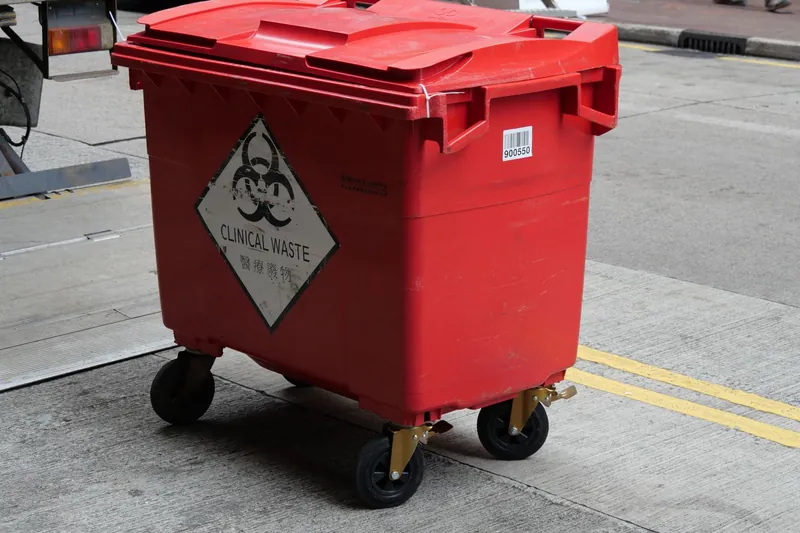
Emergency biohazard cleanup has no set duration. Its timing is shaped by the contamination type, how many areas are affected and which materials are involved. Hidden layers reached by fluids and the timing of the scene release also affect the schedule.
| Scene | Typical time on site |
|---|---|
| A small space involving hard material | May be completed in one work period after assessment |
| One affected room where porous items must come out | Removal, inspection and cleaning may take place over several stages |
| More than one room, building material impact or odor | Multiple periods of work might be necessary ahead of restoration |
The source of contamination must first be located and removed to address odor. Spraying a surface or adding fragrance cannot fix fluids hidden inside furniture, behind walls or below flooring. Air treatment should begin only after affected materials are cleaned or taken out.
While an area is under control, HEPA air scrubbers can remove particles from the air. Suitable spaces that remain occupied may allow hydroxyl treatment, but ozone calls for a vacant controlled area and cautious reentry. Choosing a method requires looking at the contamination source, air routes and impacted materials. HVAC openings also need checking if odor might have traveled to adjacent areas.
The full emergency 24/7 biohazard cleanup guide covers what is cleaned or removed, odor and air quality work, and the rules that apply in your state.
Read the full emergency 24/7 biohazard cleanup guideLocal housing, population and access details can shape containment, access and cleanup planning.
Rental households account for 45.8% locally, which can add access questions when the affected room is inside a managed property.
In housing built around 1983, a moisture check can help define how far sewage or cleaning water traveled.
Because 34.6% of older residents live alone, neighbors and family contacts can play an important role in noticing unusual silence.
In areas with 2.8% single-family housing, fluids can travel through floor joints or utility openings toward spaces below.
During your call, ask whether cleanup is available in surrounding communities and ZIP codes.
Cleanup removes infectious material, including blood and body fluids, and disinfects the property.
See biohazard cleanup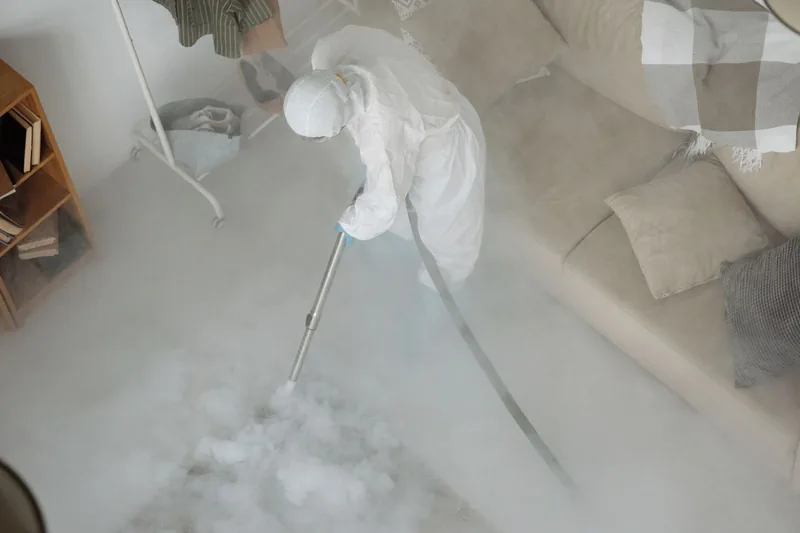
Full decontamination of rooms, surfaces and air after infectious or hazardous exposure.
See biohazard decontamination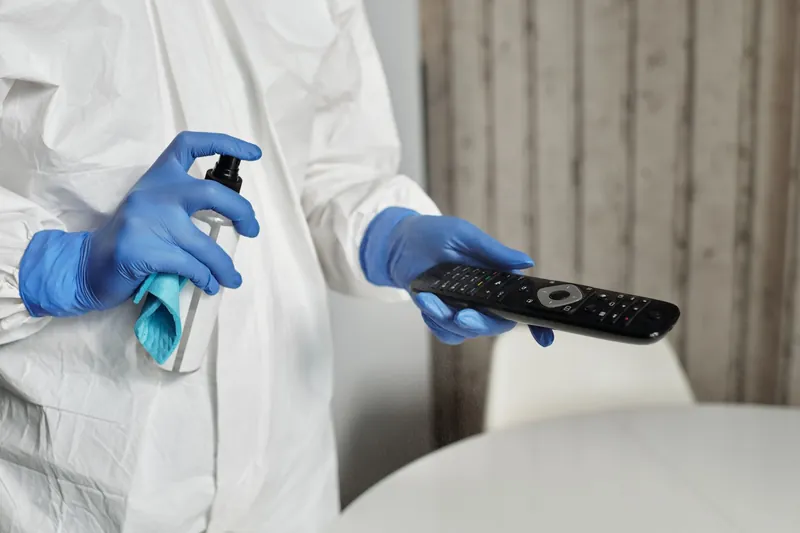
Biological remediation that removes contamination and returns a space to safe use.
See biohazard remediation
Walls, carpets, furnishings and hard floors receive blood cleanup, with safe disposal afterward.
See blood cleanup
Following accidents, violence or injuries, trauma scene cleanup addresses the affected area.
See trauma scene cleanup
After the property is released by police, crime scene cleaning removes blood and controls odor.
See crime scene cleanup
Cleanup after an undiscovered death includes odor control and the effects of days of decomposition.
See unattended death cleanup
Raw sewage cleanup of Category 3 black water, with disinfection and drying.
See raw sewage cleanupIt may. Your policy language, coverage limits, deductible, exclusions and reason for the incident determine what may be covered. Ask your insurance company about biohazard cleanup, removing materials, odor treatment and restoration. Keep the claim number, photos, scene release, scope, invoices and waste records.
Urgent disinfection and cleaning after a property is affected by sewage, human waste, blood, bodily fluids or other biological contamination is emergency biohazard cleanup. The process involves odor treatment, controlled waste disposal, area containment, surface disinfection and removal of materials that are not cleanable. Before work begins, police or another authority must release any controlled scene.
How long cleanup takes is influenced by the contamination and affected surfaces, the room count and whether liquids entered furnishings, wall cavities or subfloor. One work period may cover a small hard-surface area. The area might need more than one stage to become ready for restoration if work includes porous material removal, odor control or many rooms.
Blood, certain bodily fluids, human waste, sharps, sewage and materials contaminated by them can be biohazards. The degree of risk varies by source, quantity, surface type and how exposure could occur. If the origin or entire affected area is uncertain, prevent access and get advice before you touch or clean the material.
With gloves and an appropriate EPA-registered disinfectant left for the complete contact time, you may be able to clean a few drops of your blood from a non-porous hard surface. Do not try cleaning an area with sharps, affected absorbent material, an uncertain source or spill edges you cannot see.
Emergency responders, law enforcement and medical examiners complete their work without cleaning the affected property. After authorities release the area, death cleanup is arranged by the owner, relatives, landlord or another responsible person. Contamination removal, surface disinfection, odor treatment and work documentation can all be completed by a professional cleanup team.
Crews carry out respectful, discreet emergency 24/7 biohazard cleanup, arrive in unmarked vehicles and take calls 24 hours a day.