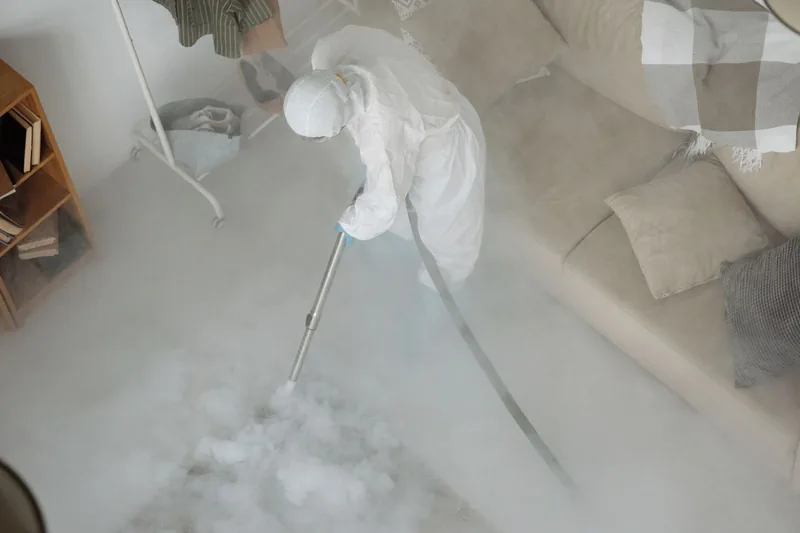
Biohazard Decontamination
After exposure to infectious or hazardous material, the air, room and surfaces are fully decontaminated.
See biohazard decontaminationGet blood, bodily fluids and other infectious material removed from your home, business or vehicle. The affected area is contained, cleaned and disinfected, and contaminated waste is taken for proper disposal.
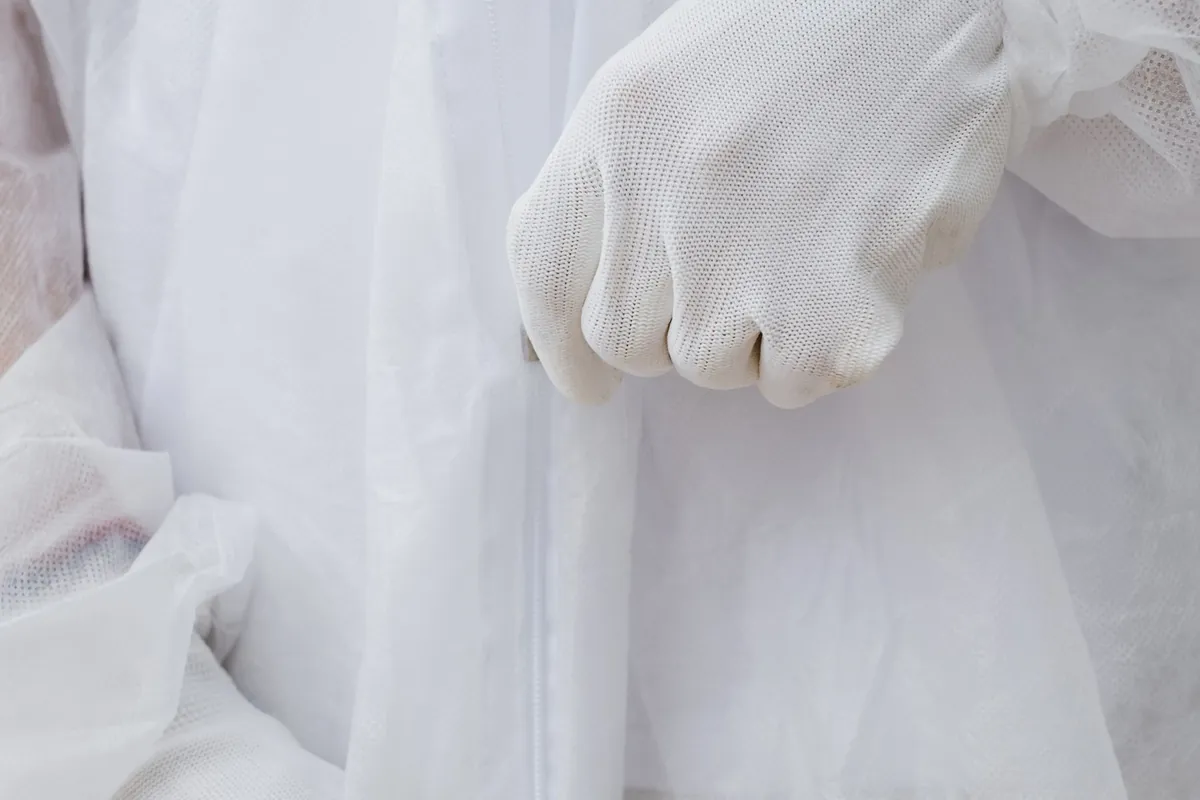
Biohazard cleanup means carefully controlling and removing blood, bodily fluids or other matter that could contain harmful microorganisms, then cleaning and disinfecting the affected surfaces.
A severe hoarding condition, infectious illness, sewage backup, crime scene, injury or death may create biohazard contamination. It can affect vehicles and outdoor spaces as well as hotels, workplaces, apartments and houses. The work protects surrounding areas, traces the entire spread, removes materials that cannot be saved and disinfects the surfaces that remain.
Biohazard work goes beyond normal housekeeping. Protective equipment, restricted work zones and material-specific products are used by trained technicians. They leave EPA-registered disinfectants in place for the label's required contact time. The contaminated waste is not tossed uncontained into household bins. State requirements guide how it is sealed, marked and transported.
Discretion protects your privacy during the work. Crews arrive in unmarked vehicles and limit the work zone so attention stays away from your property.
Your property record and insurance claim can include organized photographs, the cleanup scope, invoices and any disposal documentation available.
Personal property is reviewed with you when conditions allow. Important items are separated for cleaning, specialist care or safe return.
Before cleanup starts, you learn which areas are involved, what may remain, what needs removal and how the work is planned.
You may need biohazard cleanup when attempting normal cleaning would risk contact with bloodborne pathogens, contamination or infectious material. Typical situations include:
When home contents contain animal waste, human waste, sharps, spoiled material or similar contamination, hoarding cleanup services may be necessary.
Following release by law enforcement or the medical examiner or coroner, death cleanup may address persistent odor, bodily fluids, affected materials and personal possessions in the space.
A targeted cleaning plan can cover high-touch surfaces, shared rooms and items linked to an illness exposure, using a disinfectant suited to the organism and surface.
A sewage backup contains Category 3 black water. Water extraction, cleaning, disinfection, drying and taking out soaked porous items may all be part of cleanup.
Prevent anyone from touching the biohazard, and stop contamination from traveling beyond the affected space. As you arrange professional cleanup, take the following steps:
Call (888) 351-0904Published cost guides vary widely because the job can involve a single hard surface or several rooms where fluids were absorbed. Yelp Costs reports a residential average starting at $1,800 and reaching $4,500. Fixr reports $3,000 to $5,000 as the typical national range. Its complete published span runs from $1,500 through $25,000. The contaminated materials and required waste disposal must be identified before anyone can assess the scope.
These ranges come from published national cost guides, not from a site visit. You learn what your property will cost after the on-site assessment and before any work begins.
Ask about cost: (888) 351-0904Insurance may pay for biohazard cleanup when the policy covers its cause. Coverage depends on the event and the policy's limits, deductible and exclusions.
Tell your insurance company what happened, then ask whether coverage includes restoration, personal property, cleanup and damaged building components. Keep the claim identifier and information for contacting the adjuster.
Victims of violent crime can ask the Florida Attorney General's Bureau of Victim Compensation about cleanup, since its rules count crime scene cleanup costs as a compensable loss. Insurance is usually checked first.
Have your insurance company explain which documents you should submit. A documented work scope, pictures, billing records and disposal paperwork can assist with the claim evaluation.
Responsibility can depend on where the event occurred, the lease, the cause and local rules. Renters and property owners should photograph or document the area, then notify their insurers before relocating items.
The cleanup process is planned around the type of material, the surfaces it touched and the path it may have taken. Each step keeps contamination controlled while the property moves toward safe use again.
Cleanup technicians assess affected and surrounding areas, distinguish porous from non-porous surfaces, document conditions and explain the proposed cleanup scope to you.
Clean spaces are kept separate from the work zone. Personal protective equipment is selected for the hazard, with air controls used when particles or smells could move beyond the work area.
Porous items that soaked up contamination may require removal into sealed containers, including carpet, pad, mattresses, insulation, unfinished wood and drywall.
Visible soil is removed first because disinfectant works only when it can reach the surface. Tools and methods are selected for each finish.
An EPA-registered disinfectant is applied to cleaned areas, which stay wet for all of the labeled contact time.
Before treating indoor air, workers remove the source material. Selection may include HEPA air scrubbing or a different odor approach, according to occupancy, retained material and room conditions.
Waste receives packaging and labels that match its disposal path. What was removed from your property and its destination may be recorded.
After cleanup, workers inspect the area where work occurred. You receive an explanation of what was cleaned, what was removed and what restoration work may still be needed.
Phone any hour. A specialist in biohazard cleanup takes your call, explains each step and agrees on a start time with you.
Biohazards may expose you to infectious matter, concealed contamination and sharp items. Wiping the visible surface quickly may therefore leave the area unsafe.
Sharp metal, needles and fragments of glass may cut through gloves and bags. The type of contaminated material determines which container and disposal path are appropriate.
Cleaning after a death, suicide or serious injury can be deeply distressing. You can choose not to view the scene while cleanup crews wearing protective equipment complete the work.
Blood can potentially contain HIV, hepatitis C or hepatitis B. The CDC says hepatitis B can survive on surfaces for at least seven days, so dried blood still calls for careful cleaning and disinfection.
Can you clean it yourself? If a tiny amount affects non-porous material with a sealed finish, cleanup may be reasonable when you wear disposable gloves and observe the complete contact time of an EPA-registered disinfectant. Do not begin cleanup if contamination spread into furniture, drywall, wood or carpet, if there are sharps, or if its full extent is unclear.
Non-porous materials can often stay when every contaminated surface is accessible. Porous materials are removed when fluids soaked too deeply for full cleaning and disinfection.
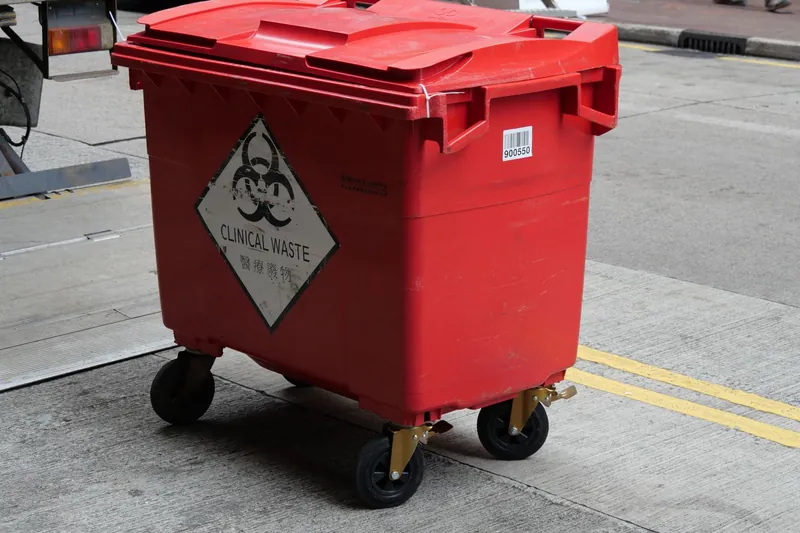
When workers may encounter blood, the OSHA Bloodborne Pathogens Standard, 29 CFR 1910.1030, requires exposure controls, training, protective equipment and related procedures.
The chosen disinfectant must match both the surface and target organism. You must follow the product label for mixing, initial cleaning, safety precautions and full contact time.
Florida calls it biomedical waste, and the term covers absorbent materials saturated with blood or body fluids. The Florida Department of Health's rules control packing, transport and treatment, so it cannot go in household trash.
Florida uses district medical examiners, with the Medical Examiners Commission under the Florida Department of Law Enforcement overseeing them. Cleanup starts after police or the medical examiner or coroner release the scene.
How long biohazard cleaning takes depends on the affected area's extent, the materials and whether contamination stayed on top or went underneath. A minor hard-surface job might be completed during one work visit. Work involving multiple rooms, structural removal or lasting odor can take several visits, with restoration afterward.
The full biohazard cleanup guide covers what is cleaned or removed, odor and air quality work, and the rules that apply in your state.
Read the full biohazard cleanup guideLocal population patterns, housing and site access may affect how containment and cleanup are planned.
At 37.9% renter occupancy, cleanup needs vary between leased units and owner occupied homes, especially around authorization for demolition.
Local housing centers on 1978, making inspection beneath finished surfaces important when contamination extends past the visible area.
Even at 16.7%, seniors living alone can benefit from regular contact that shortens the time before an emergency is noticed.
At 70.4% single-family housing, cleanup boundaries may include attached garages, utility rooms, or storage areas beyond the main room.
You can ask about cleanup in nearby communities and ZIP codes during the call.
After exposure to infectious or hazardous material, the air, room and surfaces are fully decontaminated.
See biohazard decontamination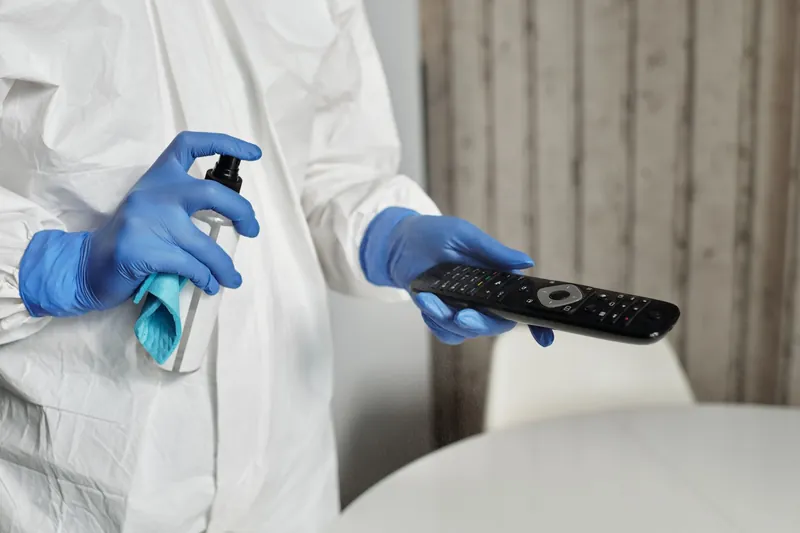
A contaminated space is restored to safe use through biological remediation and contaminant removal.
See biohazard remediation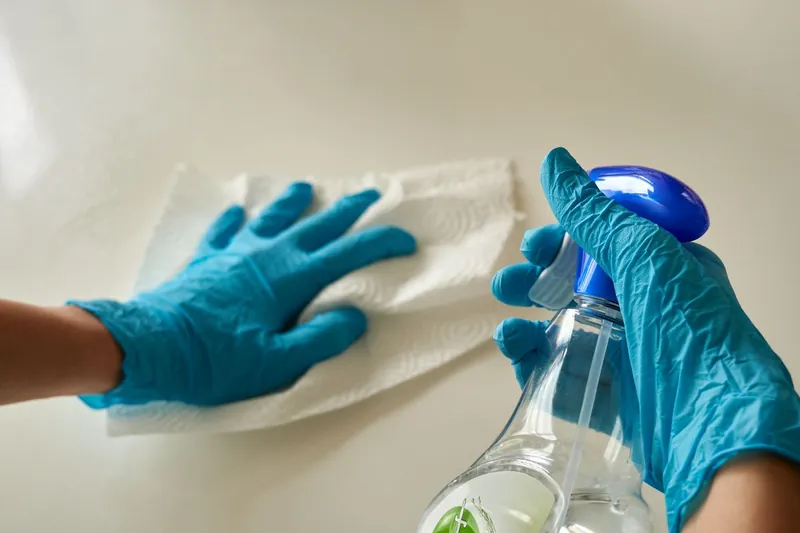
Carpet, solid floors, walls and furnishings receive blood cleanup that includes safe disposal.
See blood cleanup
Cleanup after an undiscovered death includes odor control and the effects of days of decomposition.
See unattended death cleanup
Trauma scene cleanup addresses the aftermath of accidents, injuries and violent incidents.
See trauma scene cleanup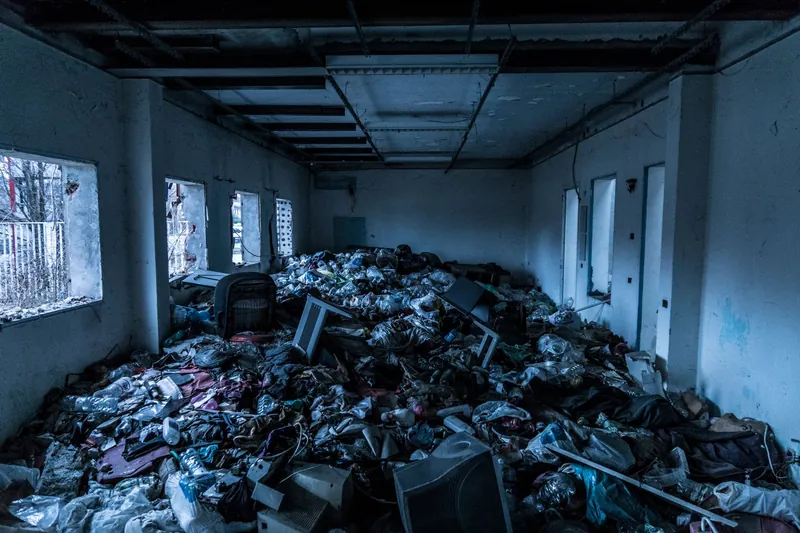
Respectful sorting, item removal and deep cleaning are included in hoarding cleanup.
See hoarding cleanup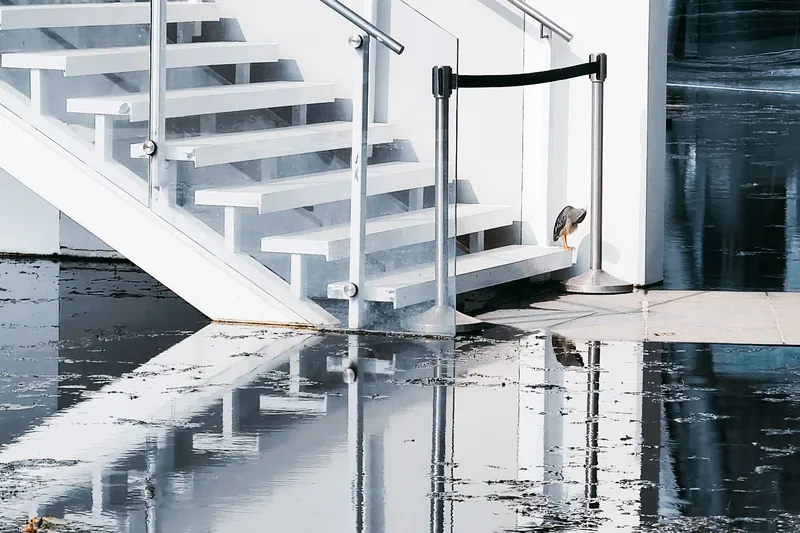
Raw sewage cleanup of Category 3 black water, with disinfection and drying.
See raw sewage cleanup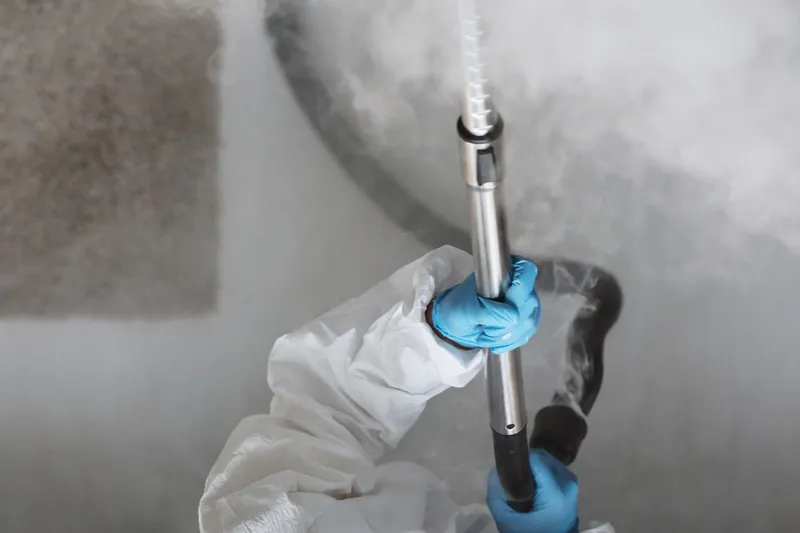
Infectious disease disinfection with EPA-registered products and full surface coverage.
See infectious disease disinfectionWhen cleaners can access every affected side, sealed non-porous furniture may remain after cleaning and disinfection. If bodily fluids penetrate the cushion material or frame, upholstered furniture may have to be removed. You can assess meaningful personal property when the area allows, helping separate items that may be cleaned or restored from contaminated contents.
If an undamaged non-porous surface has only a small number of fresh drops, wear single-use gloves and apply EPA-registered disinfectant according to all label directions. Do not attempt cleanup when bodily fluids reached carpet, wood, drywall or furniture, when sharps are present, or when the full edge of the affected area is unclear.
Begin by avoiding the affected area and preventing pets or other people from entering. Avoid touching the material or using a broom or vacuum on it. Contact emergency services when someone faces danger, and do not enter an active scene until law enforcement releases it. Professional biohazard cleanup is appropriate when contamination exceeds a tiny spill limited to a hard surface.
The biohazard cleaning process removes visible contamination and items that cannot be disinfected before remaining surfaces are cleaned and treated with an appropriate disinfectant for the full contact time. It also includes safe packaging and disposal of contaminated waste, plus odor work when the source has affected the air or porous materials.
Yes, as long as cleanup identifies and removes the source of the odor. Treating the air may come only after affected drywall, carpet, padding, furniture or similar porous material is taken out. After cleaning and disinfection, HEPA air scrubbers or another suitable odor method can address what remains, and nearby vents may be checked.
The type of material, size of the area and contamination depth cause wide variation in published figures. According to Fixr, the typical range across the country is $3,000 to $5,000. The residential average shown by Yelp Costs ranges from $1,800 to $4,500. A site assessment is needed to identify porous materials, waste volume and odor work.
You can request respectful, discreet biohazard cleanup 24 hours a day, and crews use unmarked vehicles.