
Trauma Scene Cleanup
Trauma scene cleanup addresses the aftermath of accidents, injuries and violent incidents.
See trauma scene cleanupGet blood, bodily fluids and contaminated materials removed after an accident or injury in a home, workplace, vehicle or shared space in Richmond West. Cleanup can begin after urgent care and any required scene release.
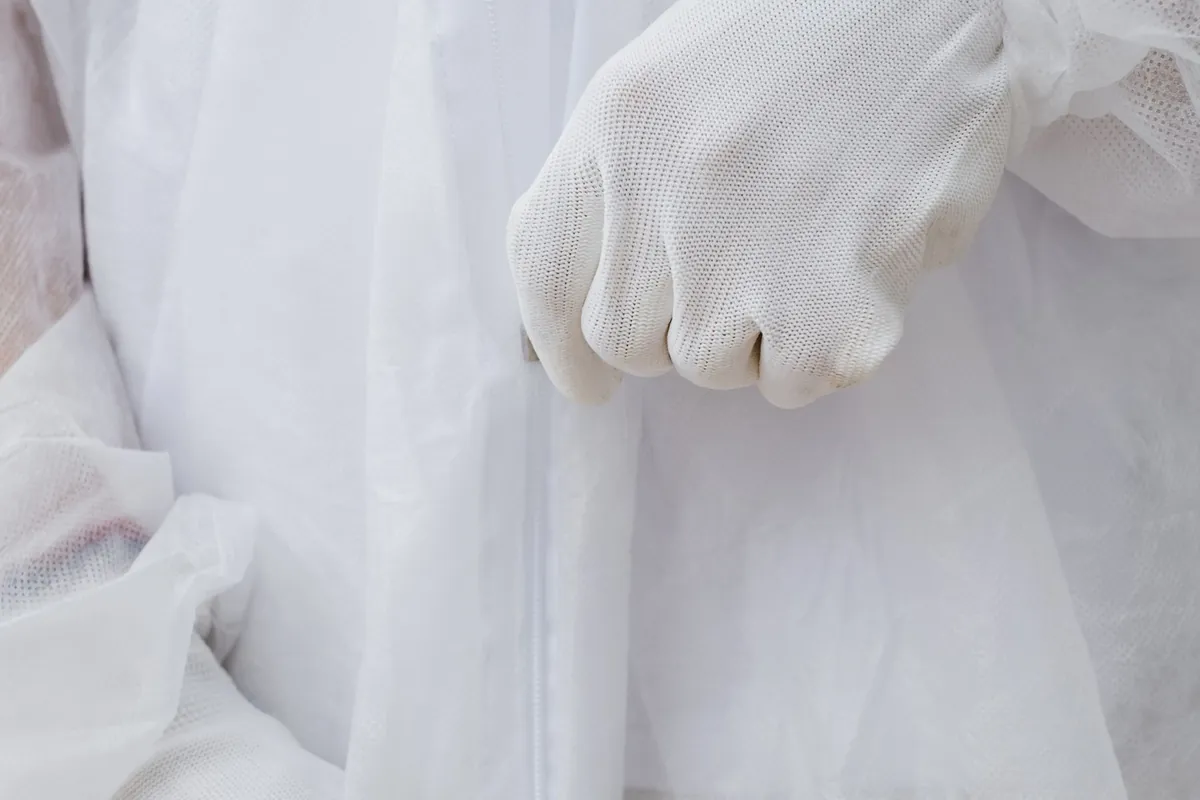
Accident and injury scene cleanup means professionally clearing contaminated materials, blood and bodily fluids from the place where someone was hurt, whether it is a workplace, public space, vehicle or home.
This cleanup service begins after medical care and any emergency response are complete. If law enforcement is investigating, the scene must also be released before scene cleaning starts. Cleanup technicians inspect the affected area and surrounding areas, set boundaries, and choose a cleaning process for each surface. The goal is to remove contamination rather than hide it.
Accident cleanup covers disinfection and blood cleanup, plus attention to odors, belongings and the preparation of hazardous waste. Sometimes biohazard remediation must reach behind wall finishes or beneath floors and carpeting. A small injury may affect just one room, while a trauma scene can extend through several spaces. Restoration occurs after decontamination and replaces the materials that were removed.
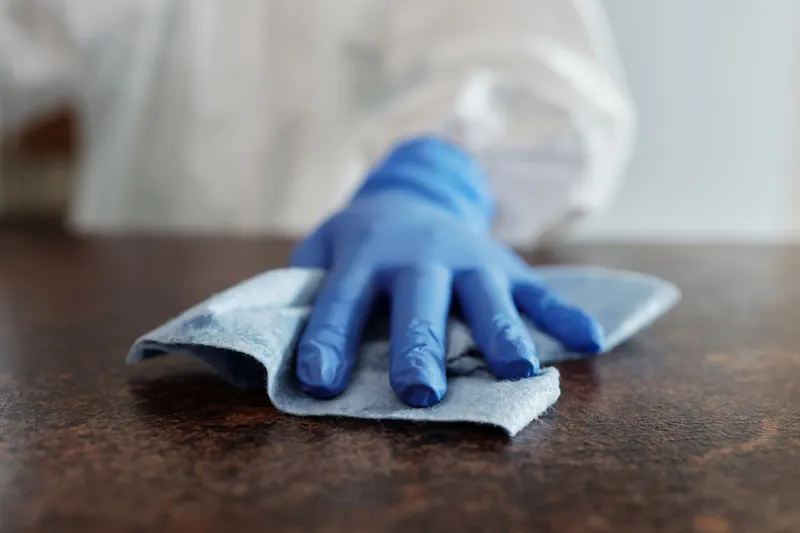
You hear what the cleanup involves, which materials may be removed and what changes the cost before work begins.
Workers identify significant belongings and sort them with your input whenever safety permits. Proximity to the scene by itself is not a reason to dispose of an item.
Crews use unmarked vehicles and maintain control of the work zone. The method supports privacy in shared buildings, commercial properties and homes.
Cleanup details, photographs and disposal records can be arranged for your property manager, insurance company or employer's file.
Accident scene cleanup services are useful whenever blood or other bodily fluids reach a surface that cannot be safely cleaned with an ordinary household routine. Common situations include:
After a medical event, fall or cut, blood can remain on carpet, walls, tile or furniture. You especially need professional cleanup when wet material is porous or you cannot determine the spill's outer edges.
Blood and other fluids can enter seat upholstery, carpeting, trim openings and acoustic insulation. Materials that cannot be fully accessed and disinfected may require removal during vehicle biohazard cleanup.
A lobby, sidewalk, restroom or shared hallway may need controlled access, careful blood spill cleanup and attention to surrounding areas where shoes or wheels could spread residue.
A serious injury may affect more than the visible surface. Trauma cleanup involves checking baseboards, floor layers, seams and joints for contamination.
Do not begin cleanup before getting needed medical help. Keep anyone from contacting the affected area, then follow these steps to stay protected and preserve clear assessment information:
Call (888) 351-0904Published cost guides list trauma and accident cleanup at $1,500 to $5,000 per job, while a broader published trauma scene span is $500 to $8,000 per job. These figures are planning ranges, not a quote. The actual price depends on the amount of blood and fluids, the materials affected, the number of rooms and the waste disposal needs found during assessment.
Published national cost guides are the source for these ranges, rather than an inspection of your property. The price for your property is set after the on-site assessment, and you hear it before work starts.
Ask about cost: (888) 351-0904Coverage for accident scene cleanup is sometimes available, but it varies according to the incident, property, insurance policy and who bears responsibility for the place.
Sudden damage related to blood or other bodily fluids may fall under homeowners or renters coverage. Check with your insurance company about coverage for removed materials, restoration and biohazard cleanup.
Before discarding anything, find out what the adjuster requires whenever doing so is safe. The cleanup scope, waste records, photos and invoices can help insurance companies evaluate your loss.
Usually, the owner of a business or property makes arrangements for workplace cleaning services. Employers also need to follow the applicable OSHA requirements and their exposure plan for employees who might encounter blood.
Victims of violent crime can ask the Florida Attorney General's Bureau of Victim Compensation about cleanup, since its rules count crime scene cleanup costs as a compensable loss. Insurance is usually checked first.
The cleanup process follows a controlled order so contamination does not spread. Every situation has a different scope, but the entire process moves from assessment and containment through disposal and a final check.
During assessment, cleanup technicians identify surface types, personal property, nearby travel paths and the affected area. They explain the expected scope after documenting conditions that can be seen.
A barrier separates clean interior spaces from the work area. Technicians use protective equipment suited to the exposure and create a route for moving supplies and sealed waste.
Controlled techniques are used to take away bulk residue. To prevent contaminant spread, the cleaning service works inward from cleaner boundaries toward the more heavily affected areas.
When fluids penetrate beyond complete reach and disinfection, removal may be necessary for carpet padding, drywall, unfinished wood or upholstery foam.
Cleaning takes place first on retained surfaces, followed by application of an EPA-registered disinfectant. For the complete contact time listed on the label, the treated surface remains wet.
Odor removal begins by finding and treating the source. Based on the space and residual odor, workers may use proper air cleaners and ventilation after removing contaminated materials.
Applicable waste disposal rules govern how crews seal used protective gear and removed material before transport. Records can support property files and insurance assistance.
The crew inspects the work area, verifies what was removed and describes restoration tasks that remain. Photos and records can help you move forward with repairs.

Call at any time. A specialist in accident and injury scene cleanup takes your call, explains each step and agrees on a start time with you.
Blood or bodily fluid exposure can put you in contact with bloodborne pathogens, while affected materials may still contain contamination beneath a clean-looking surface.
A place connected to a serious injury may be difficult for you to clean. A professional cleanup team lets family members, coworkers and property owners step away from the trauma scene.
Absorbent materials, disposable protective gear and cleanup supplies may become hazardous waste. State requirements determine how the material must be securely packed and disposed of.
Fluid can move through carpet into padding, enter cracks beside baseboards and collect inside furniture seams. Contaminated materials may remain underneath when you wipe only the visible surface.
Can you clean it yourself? A few fresh drops on an intact, non-porous surface may be manageable with disposable gloves and an EPA-registered disinfectant used for its full label contact time. Professional cleanup is needed if the affected area cannot be viewed completely, a sharp is involved, or blood reached unfinished wood, carpeting, upholstery or wall cavities.
Non-porous belongings are often suitable for cleaning and disinfection when every affected part is accessible. If blood or bodily fluids soak into unreachable areas of a porous item, removal may be necessary.
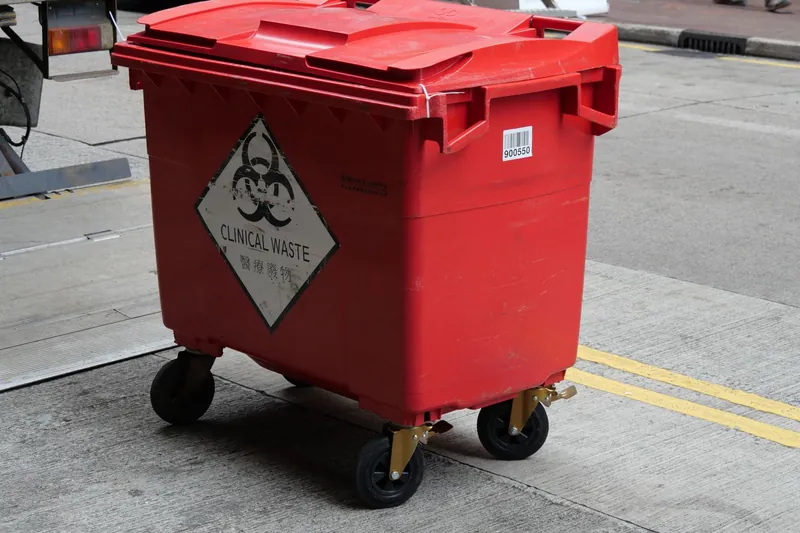
How long the work takes is determined by area size, material types and whether hidden layers contain contamination. You should receive a clear schedule once an on-site assessment is complete, not an advance promise made without seeing the scene.
| Scene | Typical time on site |
|---|---|
| Small surface accident | Timing is set after the surface and spill edges are checked |
| One room with porous materials | The schedule varies with disinfection, waste preparation and removal needs |
| Multiple rooms, structural materials or one vehicle | The schedule depends on material removal, accessibility and final checks |
The source must be located and removed before an odor can be addressed. A fragrance does nothing to correct contamination inside upholstery, below carpet or behind trim. Any smell that remains following surface cleaning calls for an inspection of concealed spaces and surrounding porous materials ahead of air treatment.
Once the source is under control, air quality measures may include ventilation and HEPA scrubbing. The room and its future occupants determine which equipment is suitable. You should receive an explanation of the items that can stay, those that need removal and when restoration may safely begin in the affected space.
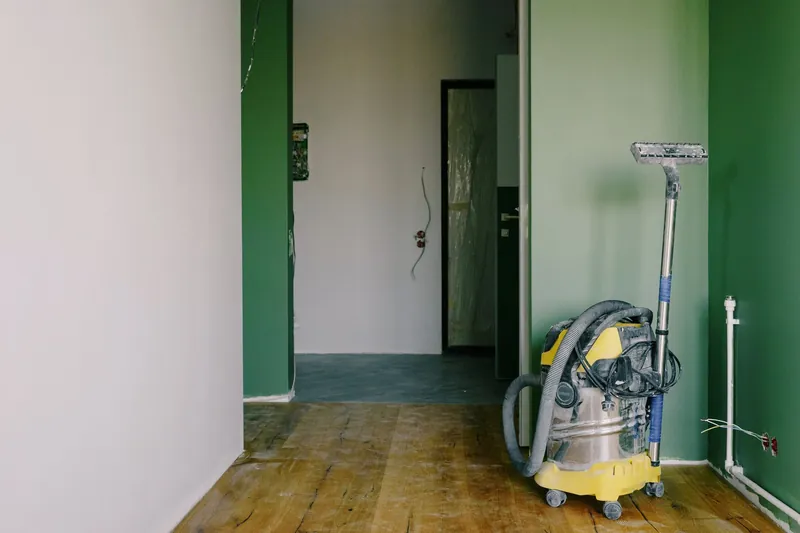
The full accident and injury scene cleanup guide covers what is cleaned or removed, odor and air quality work, and the rules that apply in your state.
Read the full accident and injury scene cleanup guideLocal housing, population and access details can shape containment, access and cleanup planning.
Rental housing represents 16.2% of households here, so cleanup information should still explain when a landlord must approve structural work.
Because the median home dates to 1996, concealed moisture behind drywall or under flooring still deserves careful checking.
With 4.4% of seniors living alone, private cleanup communication may need to include a relative who lives somewhere else.
Single-family homes make up 92.8% of housing in Richmond West, so cleanup often centers on one household and its private living areas.
You can ask about cleanup in nearby communities and ZIP codes during the call.
Trauma scene cleanup addresses the aftermath of accidents, injuries and violent incidents.
See trauma scene cleanup
Blood cleanup clears blood from furniture, walls, hard floors and carpet, followed by safe disposal.
See blood cleanup
Blood spill cleanup for fresh or dried spills of any size.
See blood spill cleanup
Cleanup controls the risk of blood exposure involving HIV, hepatitis C and hepatitis B.
See bloodborne pathogen cleanup
Homes, care environments and businesses receive bodily fluid cleanup and disinfection.
See bodily fluid cleanup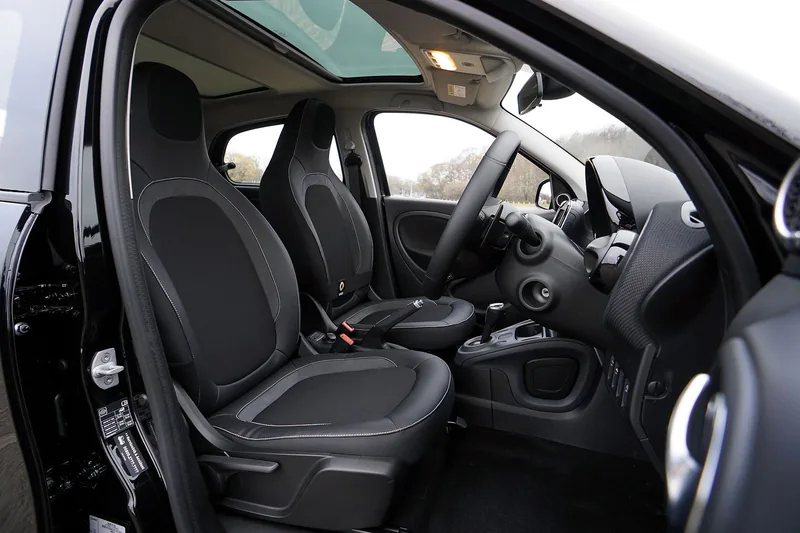
Cars, boats, trucks and RVs receive vehicle biohazard cleanup.
See vehicle biohazard cleanup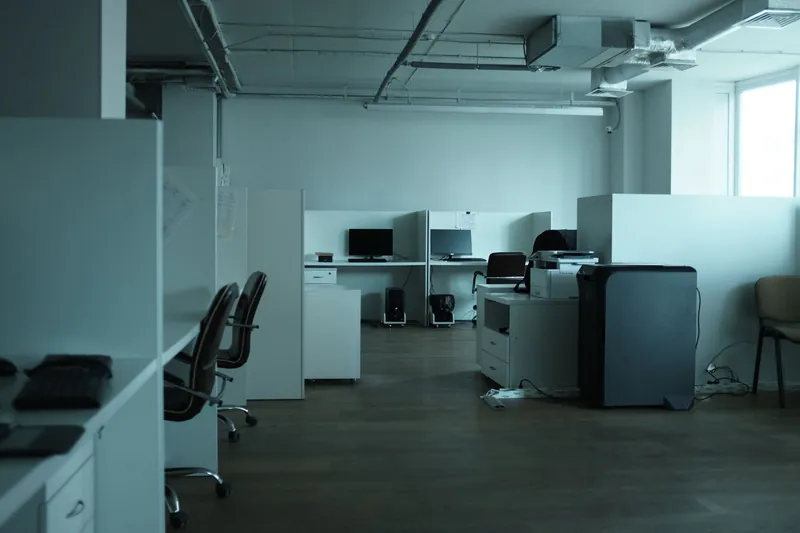
Office and workplace biohazard cleanup after injuries or exposures.
See office and workplace biohazard cleanup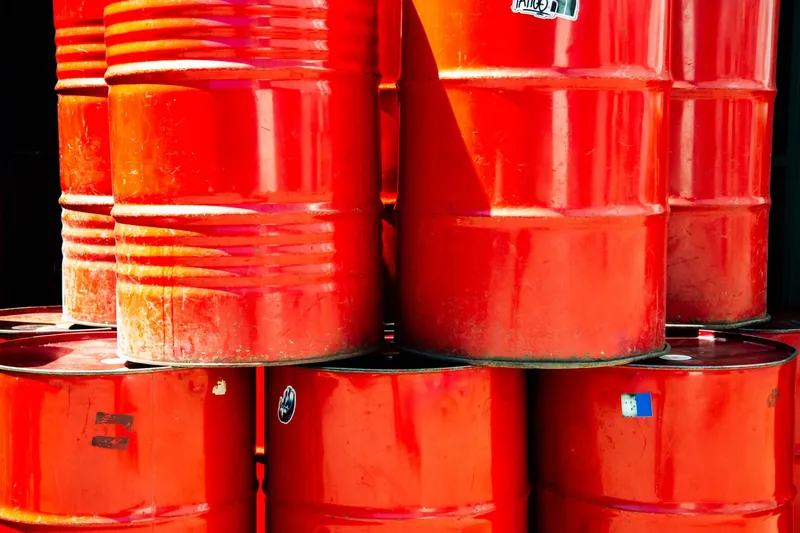
Sealed containers with labels hold biohazard waste during collection and disposal.
See biohazard waste disposalThe medical examiner or medical staff cares for the individual, while cleanup of the property is a different task. Once authorities release the scene, an employer, property owner, vehicle owner or other responsible person arranges death cleanup. Professionals remove blood and contaminated materials with care for personal property and the space.
Wash exposed skin with soap and water right away. When blood reaches facial openings, rinse your mouth, nose or eyes using clean water. Seek medical advice immediately after a needlestick or blood contact with broken skin, your eyes, your nose or your mouth. Share the exposure timing and circumstances with the clinician to receive suitable guidance.
Possibly, yes. The responsible property party, policy terms, location and type of event all affect coverage. Describe the event to the insurance company and check coverage for biohazard cleanup, restoration and material removal. Retain any adjuster-requested waste documentation, pictures, invoices and your claim number.
Carpet can be retained through cleaning when every affected layer is reachable and contamination is limited. If blood soaked through to padding or subfloor, the affected carpet and pad generally need removal so the layer below can be cleaned and disinfected. The decision ultimately rests on the material type and how deeply it absorbed fluid.
A few fresh drops on an intact, non-porous surface may be manageable with disposable gloves and an EPA-registered disinfectant used exactly as labeled. Leave cleanup to professionals if you find a sharp object, cannot identify every area reached, see a widespread spill or know blood entered carpet or upholstery.
If someone has an injury, seek medical care before anything else. Keep other people and pets away from the blood, and do not touch it with bare skin. Never apply a regular vacuum or mop to affected material, and do not place it in your washing machine. Seek professional accident scene cleanup if porous material absorbed the fluid or the spill boundaries cannot be determined.
Respectful, discreet accident and injury scene cleanup is available 24 hours a day, and crews arrive in unmarked vehicles.