
Hoarder House Cleanout
Hoarder house cleanout from the first room to the last, with trash hauled away.
See hoarder house cleanoutClear blocked rooms, sort personal property and clean the home without judgment. Hoarding cleanup can include hauling, deep cleaning, odor removal and biohazard remediation when waste or bodily fluids are present.
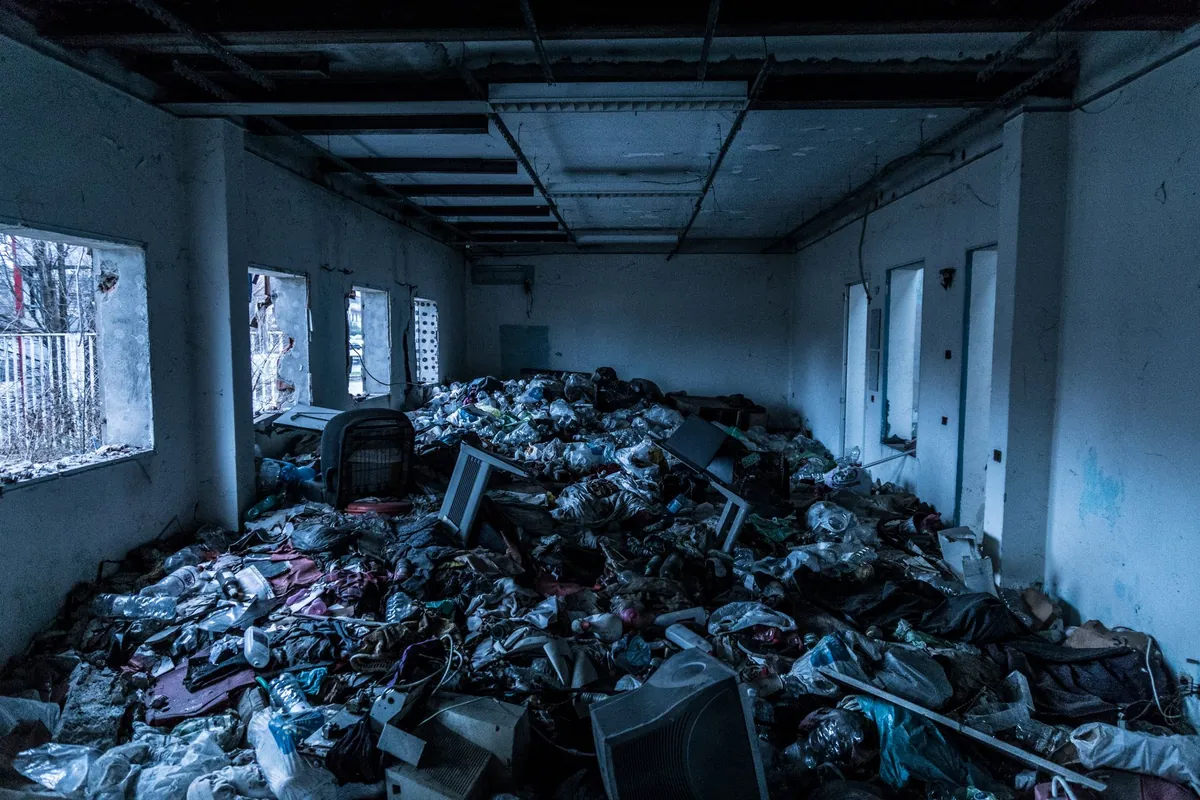
A hoarding cleaning service helps restore use of exits and rooms through organized sorting, approved rubbish and item removal, followed by deep cleaning.
Removing clutter is only one part of hoarding cleanup. First, belongings are organized into groups for keeping, donation, recycling or disposal. You decide what happens to personal property, medication, photos and important paperwork after those items are set aside. Once removal is complete, accessible fixtures, walls, hard surfaces and floors receive room-by-room cleaning.
The condition of the home determines whether the work is ordinary cleaning and junk removal or requires more. Sewage, sharps, mold, rotten food, animal waste, bodily fluids, urine or feces bring biohazard concerns. These materials require controlled removal and protective equipment during cleanup. The plan must be based on findings inside the property rather than judgments about whoever lives there.
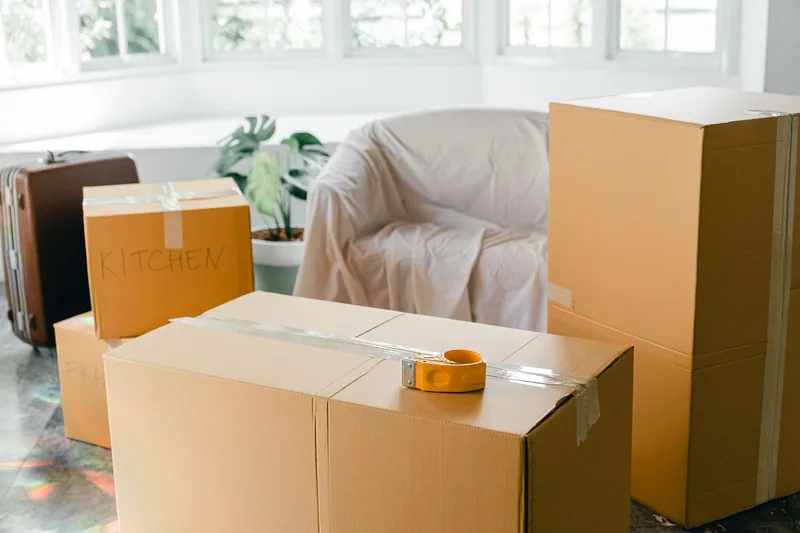
The crew arrives in unmarked vehicles. Bagging, staging and loading can be planned to reduce unnecessary attention around the property.
Your input remains part of decisions involving personal property. With an organized sorting process, belongings you want are protected while undecided property remains separate for your later choice.
The plan separates sorting, hauling, deep cleaning, biohazard work and restoration, so you can see what each stage includes.
Workers match protective gear, restricted work areas and disposal routes to bodily fluids, sharps, animal waste and any additional hazards present.
Hoarder cleaning services may help once belongings have reached a volume or condition that prevents safe, manageable housekeeping. Common examples are:
Relatives need help sorting a large amount of personal property while protecting photographs, records, heirlooms and other meaningful items.
Accumulated items can restrict access near utility panels, stairs, windows and doors while keeping you from using bedrooms, kitchens or bathrooms normally.
A tenant, property owner or estate representative needs rooms cleared and cleaned after access, payment and property decisions are settled.
After animals are removed safely, urine, animal waste, damaged floors and persistent odors call for their own sanitation plan.
Keep the first decisions small and put safety first. If a cleanout is rushed, concealed hazards may be disturbed, distress may grow and valued belongings may be discarded.
Call (888) 351-0904Published cost guides for hoarder cleanouts show a range of $500 to $1,500 for a light Level 1 project. At Level 3 the figures are $2,000 to $5,000 and severe conditions at Level 5 are listed at $10,000 to $25,000 for planning. These figures are not a quote. Your final cost reflects home size, accumulation, access, hazards, disposal, hauling and how much cleaning follows removal.
The figures shown are national ranges from published cost guides and are not based on an on-site visit. An on-site assessment determines your property's price, which is explained to you before the cleanup starts.
Ask about cost: (888) 351-0904Insurance does not automatically cover hoarding cleanup. Coverage depends on the policy, the cause of damage and which parts of the work the insurer accepts.
Find out the covered cause, required records, applicable deductible and whether the policy considers cleaning separately from hauling. Insurance companies may request photos, receipts and the scope of work, so keep those records for insurance assistance.
Find out whether a particular covered incident applies, including sudden water damage. Insurers may evaluate routine maintenance and cleaning or buildup differently from the damage the covered event caused.
Responsibility for arranging or funding the cleanup may change based on the lease, local requirements and property damage. Owners and tenants should address access and document existing conditions ahead of the cleanup.
An estate's representative should verify who can authorize sorting, payment and removal prior to moving any personal property.
Your decisions should remain separate from the tasks of hauling and cleaning. Although every hoarding situation has different needs, a suitable team keeps the stages in safe sequence and makes each part clear:
During the walkthrough, blocked rooms, unsafe stacks, pests, animal waste, water damage and other affected areas are identified. Priorities and decision authority are recorded before sorting starts.
Cleanup crews set work zones and walking paths. Workers choose protective clothing, gloves, eyewear or respiratory equipment according to the actual risks on site.
Items are grouped as keep, decide later, donate, recycle or discard. Medication, private papers, photos and valuable belongings are placed in a protected sorting area.
Nothing is taken from the property without approval. Unwanted furniture and trash are contained or carried without spreading contamination into surrounding areas.
Materials affected by sewage, blood, bodily fluids or animal waste are separated from ordinary contents. When material qualifies as hazardous waste, disposal must meet the specific rules governing that material.
Vacuuming or washing covers uncovered walls, flooring, cabinets, fixtures and additional surfaces. An EPA-registered product is applied wherever disinfection is necessary and remains for the complete contact time on the label.
Removing materials that cause odors comes first. Targeted odor work, careful surface cleaning and HEPA air scrubbers may address particles and smells left behind.
You inspect cleaned spaces, accessible routes and kept property, then note any remaining need for repairs, drying, pest control or restoration services.
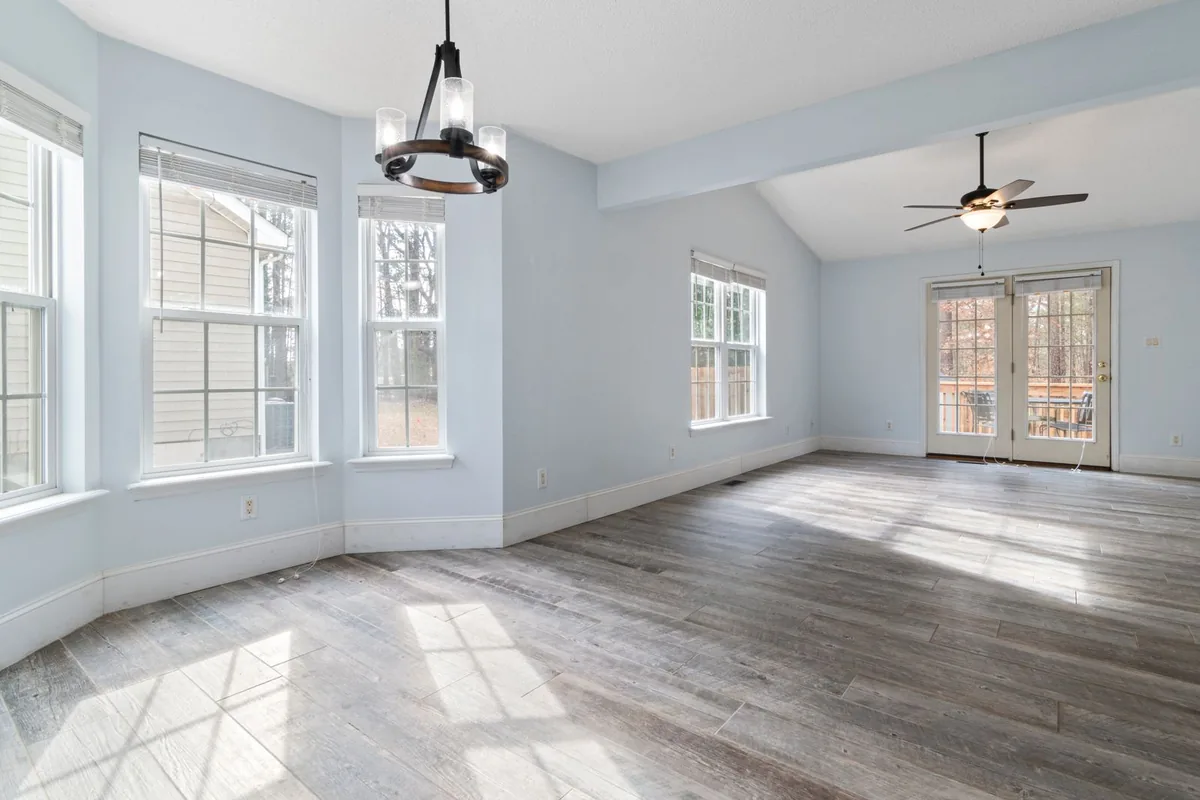
Call at any time. You speak with a hoarding cleanup specialist who outlines the process and schedules a start time with you.
Physical and biological hazards can remain hidden under heavy accumulation, with serious risks to health arising when waste, pests, moisture or obstructed exits are involved.
Urine, animal waste, blood and feces may soak into porous items. According to the CDC, hepatitis B can remain on surfaces for at least seven days, and blood may carry bloodborne pathogens.
Loose needles, broken glass, medication and leaking chemicals should be identified and separated. They should never be loose inside standard bags containing household trash or clothing.
You risk trips, falling items and difficult access where paths are tight, floors are overloaded and stacks are unstable. Workers must avoid entering spaces that seem unstable or removing items at the base of a stack.
Can you clean it yourself? When clutter is light and there are no unstable piles, heavy mold, loose needles, bodily fluids, sewage or animal waste, gradual sorting may be possible with sturdy bins, gloves and a clear way out. Stop working when your safe route is lost, a biohazard appears or you find a leaking material you cannot identify.
No belonging should be treated as trash only because it sits in a crowded room. Removal decisions depend on your approval, the item's condition and what type of contamination affects it.
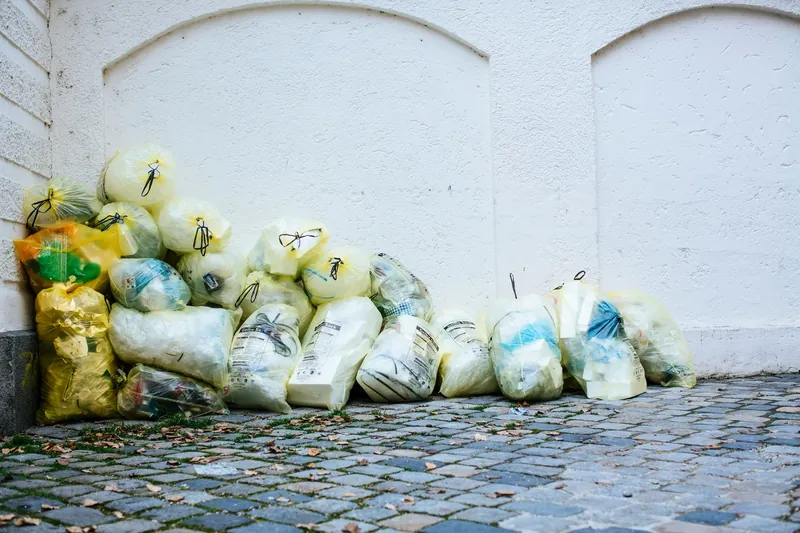
OSHA's standard for bloodborne pathogens, found at 29 CFR 1910.1030, governs protective equipment, training and exposure controls if blood or other potentially infectious material may contact workers.
Disinfection requires the right EPA-registered product for the target organism and the full contact time on its label. Spraying and immediately wiping a surface shortens that time.
Florida calls it biomedical waste, and the term covers absorbent materials saturated with blood or body fluids. The Florida Department of Health's rules control packing, transport and treatment, so it cannot go in household trash.
Local health and building rules can affect how a contaminated room is cleaned and when it can be used again, so mention any notice you have received from the city or county.
A small area in light condition may need a day of hoarder house cleaning, while work across a full home may continue for several days. Severe accumulation, limited access, repair needs, biohazard remediation or individual decisions about belongings can extend that time.
The full hoarding cleanup guide covers what is cleaned or removed, odor and air quality work, and the rules that apply in Miami-Dade County.
Read the full hoarding cleanup guideLocal population patterns, housing and site access may affect how containment and cleanup are planned.
With renters in 56.5% of local homes, documenting affected rooms can help tenants and owners understand which materials need removal.
A median build year of 1967 means fluids can pass through carpet or seams and affect padding or subfloor below.
A 21.9% share living alone still matters because delayed discovery can increase odor movement and the amount of affected material.
Housing at 41.3% single-family occupancy calls for flexible cleanup planning rather than assumptions based on one building type.
During your call, ask whether cleanup is available in surrounding communities and ZIP codes.
Hoarder house cleanout from the first room to the last, with trash hauled away.
See hoarder house cleanout
Animal hoarding cleanup addresses waste, urine-soaked materials and odors caused by ammonia.
See animal hoarding cleanup
Cleanup removes filth and squalor from homes that are no longer safe to occupy.
See filth and squalor cleanup
Following a death, estate cleanout includes sorting possessions and removing them safely.
See estate cleanout after a death
Blood, body fluids and other infectious materials are removed, followed by property disinfection.
See biohazard cleanup
Disinfection accompanies human feces cleanup in public restrooms, homes and rental properties.
See human feces cleanup
Floors, underlying subfloors and furniture receive urine cleanup with odor removal.
See urine cleanup
Death odor removal targets the source through ozone treatment, hydroxyl and air scrubbers.
See death odor removalNo. Junk removal focuses mostly on carrying discarded items away. Hoarding cleanup also includes a decision process for personal property and may include deep cleaning, disinfection, odor removal and biohazard remediation. Some properties need both. Make sure the scope distinguishes belongings that leave from rooms or surfaces that receive subsequent cleaning.
Your policy terms and the damage cause determine coverage. Routine accumulation and cleaning may not be covered, while damage tied to a covered event may be considered differently. Ask the insurance company which cause of loss applies, what records it needs, whether hauling and sanitation are separate, and how the deductible affects payment.
Work in that area should pause until the extent of urine, feces, pests and damaged materials is understood. Porous carpet, pad, drywall or subfloor may need removal when waste soaked in. For solid surfaces, use the correct cleaning and disinfecting product and observe its labeled contact period. Source removal comes before any odor treatment.
Cleaning can take one day when the affected area is small and buildup is light. A full home usually needs more time because belongings must be reviewed before removal and surfaces cannot be cleaned until they are exposed. The project may continue after the first cleanout when it involves repairs, biohazards, water damage, animal waste, pests or obstructed access.
Do not discard identification, legal papers, financial records, medication, keys, photographs, valuables or sentimental items without approval from the person authorized to decide. Place items awaiting a decision in a protected sorting area. Do not mix loose sharps, chemicals or contaminated materials into standard trash bags containing clothing and home goods. They need separate handling.
Begin by creating a safe path and confirming who may approve removal. Place each item in a keep, donate, decide later, discard or recycle group. After authorized removal, clean exposed areas from the top downward. Seek trained help and stop if you encounter extensive mold, animal waste, unsecured sharps, unstable piles, sewage or bodily fluids.
Respectful, discreet hoarding cleanup is available 24 hours a day, and crews arrive in unmarked vehicles.