Fentanyl Decontamination
Rooms, vehicles and exposed surfaces receive decontamination following fentanyl exposure.
See fentanyl decontaminationKeep people out of a property where meth was made or regularly used until the affected areas have been assessed. Cleanup starts with testing and a written scope, then moves through removal, surface cleaning and clearance sampling.
When drug-production chemicals or methamphetamine residue contaminate a vehicle, business, rental or home, meth lab cleanup covers the necessary testing, cleaning and removal.
A clean appearance does not rule out contamination. Smoke produced by meth use can leave residue on floors, personal property, cabinets, walls, appliances and ceilings. Acids, fuels, unknown chemical mixtures, salts and solvents can be found at a production location. A careful assessment of these hazards must happen before ordinary cleaning starts or anyone shifts a container.
Local property rules and test results set the course for the biohazard remediation work. With protective equipment in place, cleanup technicians separate contaminated areas from clean ones. They take out materials that resist cleaning and wash what remains. When necessary, they also address the air system. Afterward, samples establish whether each tested area reaches the relevant clearance level.
Evaluating each possession's material and state helps you understand which items can undergo cleaning and which could require disposal.
A cleaning service should keep photos, scope notes, disposal documents and test reports together, so you have a clear record and can move forward after clearance.
The right team outlines why tests are needed, which affected areas require work, how surfaces will be cleaned, what may be removed and how clearance works before starting.
Work zones and clean paths limit the movement of dust, tools and contaminated materials through the rest of your property.
Evidence from testing or dependable property records can show residue associated with meth use or manufacture. This calls for meth decontamination cleaning services. Each case begins by considering test results alongside the property history. Situations commonly include:
A landlord or property manager learns of suspected drug activity after a tenant leaves and needs testing before repairs or a new tenancy.
Walls, household items, cabinets, ceilings and flooring may carry residue that repeated smoking left behind.
A contractor stops work after discovering suspicious vessels, chemical stains or a prior notice, preventing dust from entering clean spaces.
Suspected meth use requires a controlled evaluation of the room or unit, including surrounding areas when supported by the evidence.
Inside cars, trucks and recreational vehicles, residue can remain on carpet, seats, vents and trim.
Law enforcement has cleared a former production site, but residue, chemicals or discolored materials could remain throughout multiple rooms.
Your first job is to prevent exposure and keep residue from moving. Take these steps before professional cleanup begins:
Call (888) 351-0904Published cost data from PushLeads places meth lab cleanup across a broad $5,000 to $120,000 span, with a typical average of $15,000 to $20,000. The range is wide because repeated smoking in one area is different from chemical production across a full property. Testing, material removal, air-system work and local clearance requirements all change the final scope.
The figures shown are national ranges from published cost guides and are not based on an on-site visit. The price for your property is set after the on-site assessment, and you hear it before work starts.
Ask about cost: (888) 351-0904Whether insurance covers meth contamination varies with policy terms and the cause. A policy might exclude criminal acts, pollution, contamination or vacancy. Report the finding without delay and ask about any insurance assistance. Get a written decision on coverage before non-emergency work is authorized.
Let the insurance company know what revealed the contamination. Ask about testing, remediation, removed building materials and loss-of-use coverage.
Property owners will usually arrange assessment and decontamination at a rental. Any attempt to recover costs from a tenant is separate from making the property safe.
Keep the police release, laboratory results, photographs, the remediation scope, disposal records, invoices and clearance report together.
Securing evidence and clearing the property may fall to law enforcement, but arranging subsequent testing and decontamination generally falls to the owner.
Meth lab cleaning proceeds through a deliberate series of stages. The assessment and testing plan for the property guide every stage, along with the clearance requirements in effect at its location.
Confirm that trained technicians will examine police clearance, site history, obvious hazards, room arrangement, ventilation and possible routes of residue movement before starting.
A baseline and the affected areas can be established through surface sampling. Sampling locations and methods should follow the applicable local protocol.
The written scope identifies containment, materials to remove, surfaces to clean, the treatment of contents and the final clearance steps.
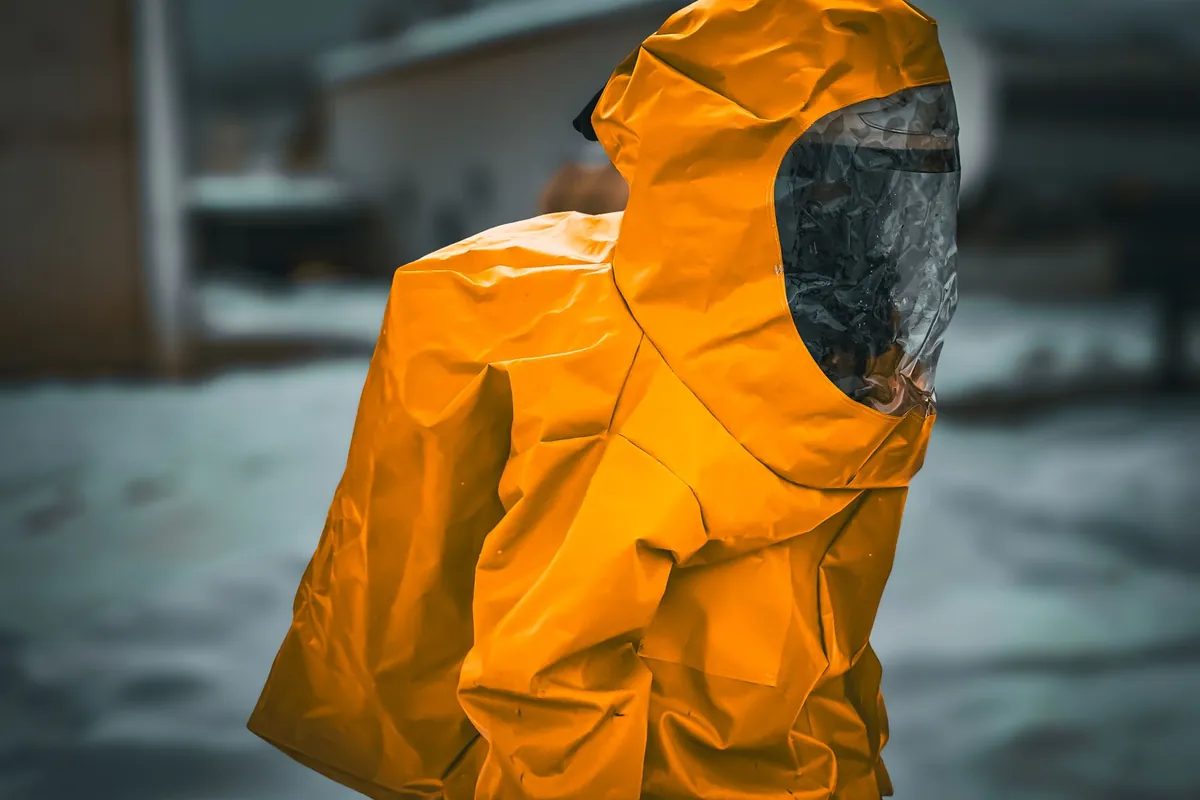
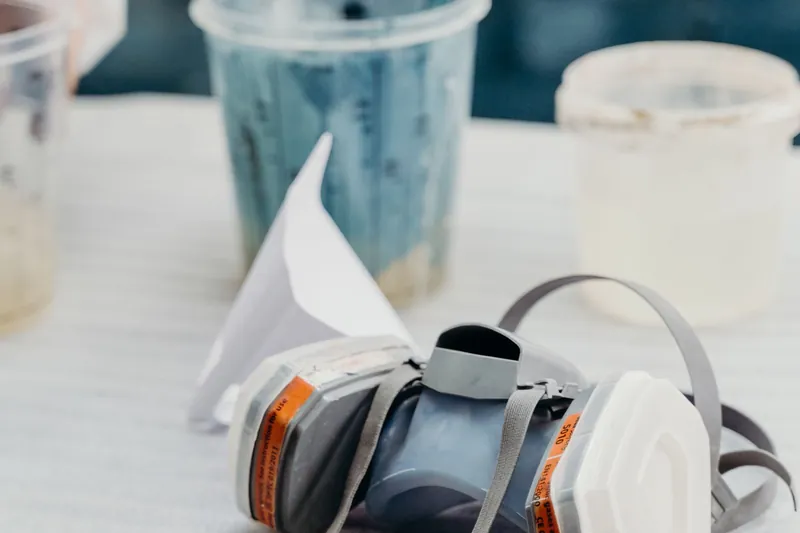
The work area is separated from clean rooms. Cleanup technicians wear protective gear selected for the site's chemical dangers, contaminated dust and residue.
When required cleaning levels cannot be reached, carpeting, padding, insulation, soft furniture or damaged construction materials may need removal and waste disposal preparation.
The surfaces left in place, including fixtures, cabinets, flooring, walls and ceilings, receive appropriate cleaning in a planned order.
Inspect the air system apart from belongings that can be moved. Test results and condition determine whether belongings need cleaning, separation or disposal.
Final sampling follows completed cleaning and determines if the property needs more work before people return.
Phone support stays available. Your meth lab cleanup specialist answers the phone, describes what happens next and works with you on a start time.
Serious health risks may remain at a former meth property, even without a strong smell. Exposure can occur from residual production chemicals, skin contact or contaminated dust.
Unidentified containers and substances may be reactive, capable of catching fire or corrosive. Avoid opening or smelling them, and never combine or discard them in household waste.
Frequently contacted objects and surfaces, including walls, floors, counters and toys, can collect residue. You cannot determine clearance compliance from a surface's appearance alone.
Pre-test demolition of drywall or carpet can spread dusty residue onto work tools, garments and uncontaminated parts of the building.
Pets and children frequently contact objects and floors. You can lower their chance of contact by restricting access to the affected area during pending tests and cleanup.
When a small blood spill is safe to clean yourself. Do not treat suspected meth contamination as a small household spill. Home cleaning products cannot show how far residue traveled or whether the surface meets the local clearance level. Begin more safely with testing and a remediation plan designed for meth.
Keeping any material depends on two conditions: the remediation plan must approve its cleaning, and the completed area must be capable of passing required clearance.
Several workdays may be needed when meth contamination is confined to one area. For an extensive production site, cleanup can continue for several weeks. The schedule is driven more by material removal, testing turnaround, clearance samples and repeat cleaning than by the number of rooms.
| Scene | Typical time on site |
|---|---|
| Minor contamination confined to one space | Often several workdays, plus laboratory time |
| Several rooms or HVAC involvement | Often one to several weeks |
| A past meth production property with chemical harm | Could require several weeks plus multiple clearance rounds |
Smell does not serve as a dependable meth test. Little or no odor may be present despite residue on surfaces. If a sharp chemical smell occurs, treat it as a reason to leave. Do not enter for an investigation or cover the odor with fragrance.
Odor and air quality treatment starts by controlling the contamination source. Before cleaning the air can help, the work must address porous materials with contamination, chemical products from production and dust that has settled. Connected rooms, HVAC equipment, filters and ducts may all be assessed. Required samples should determine clearance, not the presence or absence of a clean smell.
Clearance standards and rules vary across state and local jurisdictions. Confirm which standard applies with the appropriate environmental, health or building authority ahead of cleanup.
A local protocol might set requirements for sampling design, laboratory analysis and final clearance reports. Keep records because owners, buyers, tenants or officials may request them.
Unknown chemicals and contaminated debris cannot automatically go into household trash. Waste classification and disposal depend on what is found and local rules.
Needles or other infectious waste found with drug materials need separate handling. Florida calls it biomedical waste, and the term covers absorbent materials saturated with blood or body fluids. The Florida Department of Health's rules control packing, transport and treatment, so it cannot go in household trash.;
Meth Lab Cleanup is available across the city and the surrounding communities.
Rooms, vehicles and exposed surfaces receive decontamination following fentanyl exposure.
See fentanyl decontamination
Rental spaces and properties are cleared of needles, pipes and residue from drugs.
See drug paraphernalia cleanup
Cleanup of a grow house addresses mold, chemicals and harm caused by indoor cultivation.
See marijuana grow house cleanup
Protective equipment suited to hazardous materials is used during hazmat cleanup.
See hazmat cleanup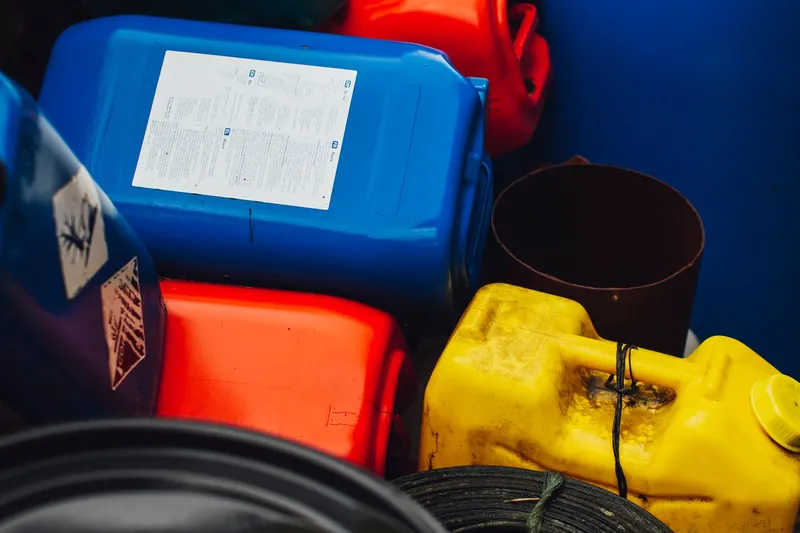
Toxic and chemical waste cleanup includes safe disposal.
See chemical and toxic waste cleanup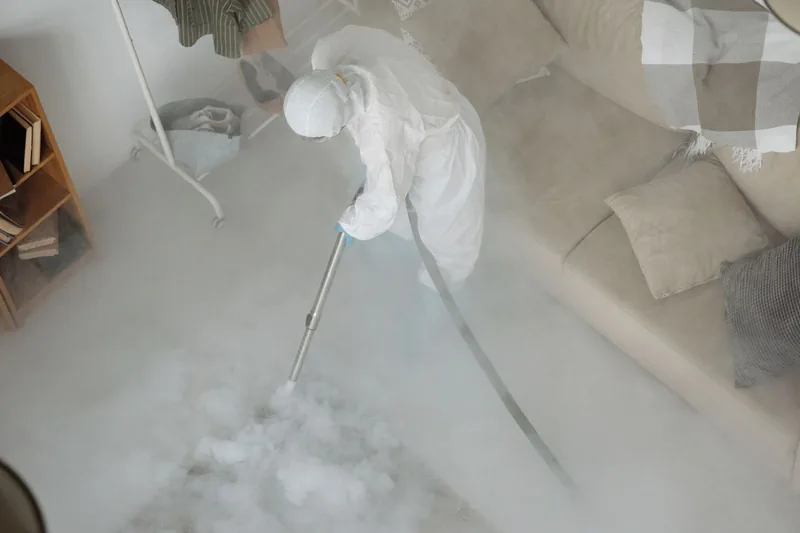
Full decontamination of rooms, surfaces and air after infectious or hazardous exposure.
See biohazard decontamination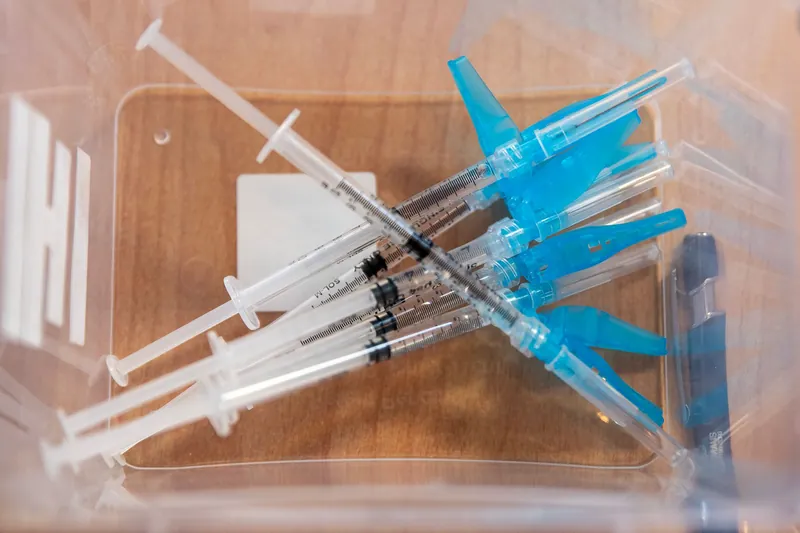
Yards, encampments, parks and rental properties receive needle and sharps cleanup.
See needle and sharps cleanup
Biohazard cleanup for hotels, Airbnb units and rental properties.
See hotel, airbnb and rental biohazard cleanupA sharp, solvent-like smell may remain after production, but you cannot use odor alone to prove contamination or clearance. Residue may exist in a building even when you detect no odor. Avoid containers and leave the area when chemical smells are intense, then follow surface test results and the governing standard.
You should not judge readiness from how the building looks and smells. Before anyone moves back, follow both your area's applicable standard and the proper public or environmental authority's written recommendation. Post-remediation sampling creates objective evidence and shows whether more cleaning is needed.
Cleaning on your own may move affected dust and leave no clear documentation of the outcome. Household products do not measure residue or confirm clearance. Begin by getting professional tests and identifying the locally applicable remediation requirement. A remediation scope can next separate cleanable surfaces from building materials that need to come out.
Bleach is a disinfectant, not a meth clearance test. You cannot measure leftover contamination by applying bleach, and unknown lab substances can react dangerously with mixed cleaning products. The cleaning method should come from the remediation plan and suit the wall finish, contamination level and local requirements.
You may need tests when police have recognized a past lab, reliable property history confirms production or credible proof indicates ongoing meth use. Warning signs include strange vessels, chemical stains and intense odors, but you cannot establish clearance through sight or smell.
The broad range from PushLeads runs from $5,000 to $120,000 and its typical average spans $15,000 to $20,000. Cost depends on the building's size, smoking versus production, contamination in air systems, sampling, material disposal and required rounds of cleaning or clearance.
Payment depends on policy language, the contamination's origin and any vacancy, criminal-act, pollution or contamination exclusion. Contact the insurance company quickly, explain the discovery and check coverage for sampling, cleanup, discarded materials, temporary accommodation and clearance tests.
A limited cleanup may take several workdays, while a multi-room production site can take several weeks. The timeline depends on lab processing, disposal of absorbent materials, repeated cleaning, ventilation work and testing after remediation. Another cleaning round may be needed if clearance samples remain above the applicable level.
The remediation process for a meth lab controls cleanup of buildings contaminated by methamphetamine residue or chemicals from drug production. Under applicable property rules, cleanup involves evaluation, surface sampling, containment, disposal of uncleanable materials, treatment of retained surfaces and clearance testing after remediation.
Each item should be evaluated by material, condition, value and contamination level. Some hard, washable belongings may be cleaned. Books, soft furnishings, carpets and similar absorbent materials are often difficult to decontaminate. Decisions to clean, set aside, sample or discard possessions should appear in the work plan.
Crews offer discreet and respectful meth lab cleanup, arrive in unmarked vehicles and take calls 24 hours a day.