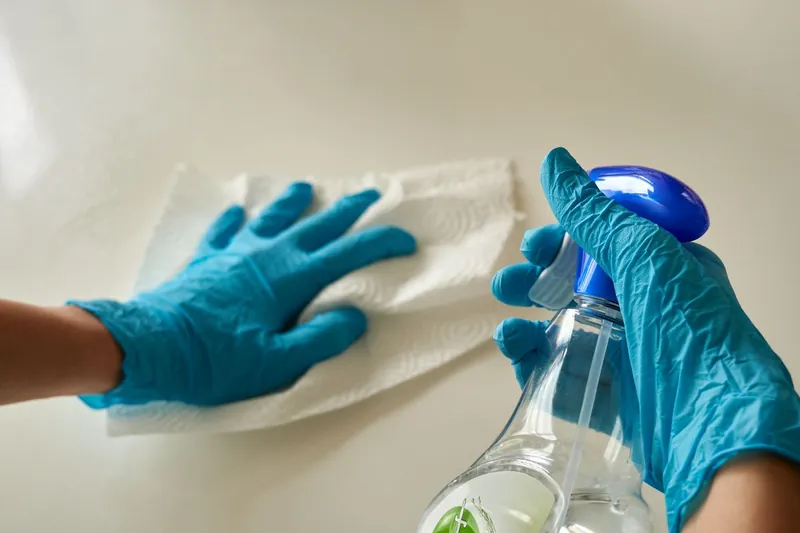
Blood Cleanup
Blood cleanup clears blood from furniture, walls, hard floors and carpet, followed by safe disposal.
See blood cleanupArrange school and daycare biohazard cleanup in Lemon City/Little Haiti for blood, bodily fluids, sharps and contaminated materials. Work can be planned outside class hours when the site and situation allow.
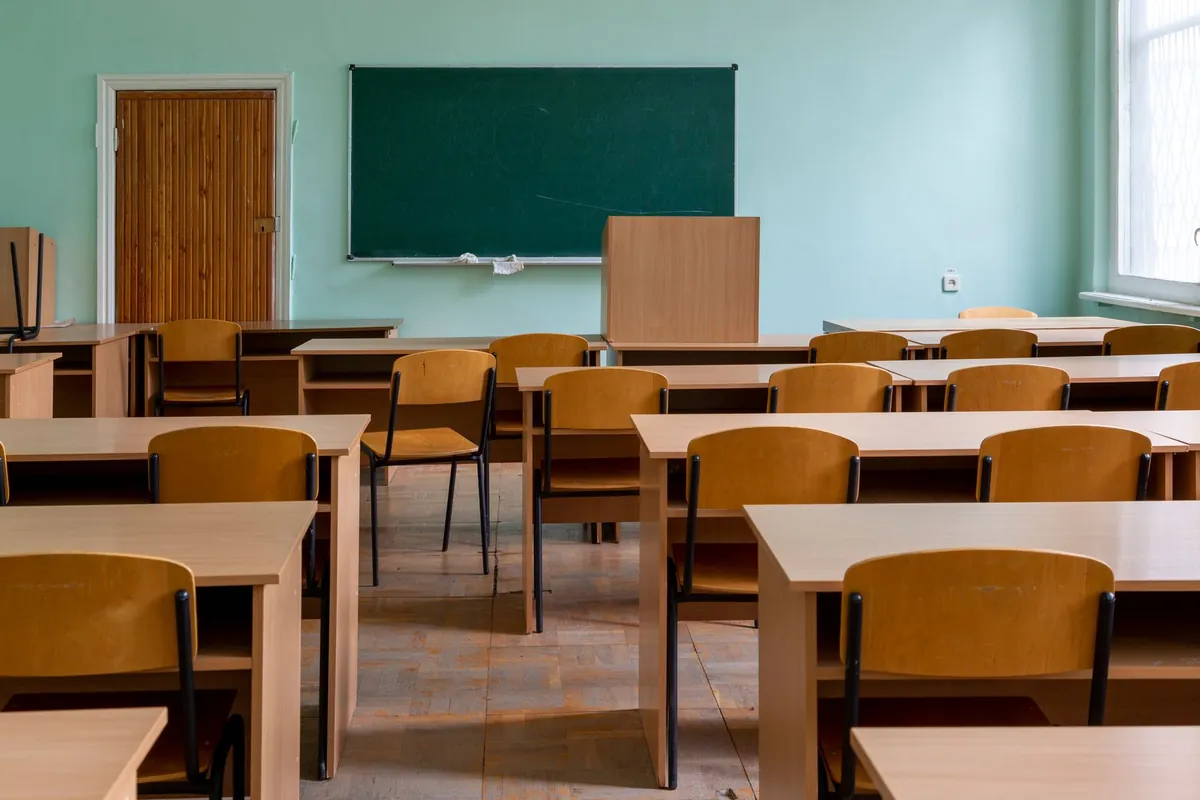
School biohazard cleanup covers the controlled cleanup and disinfection of contamination in daycares, schools and education facilities, including blood, other bodily fluids, sharps and affected materials.
Routine janitorial work is not the same as this process. Technicians first establish the boundaries of the affected space and shield nearby areas. They remove waste and visible soil before disinfecting hard surfaces for the product label's stated contact time. Materials that could have absorbed contamination are also examined.
A cleanup may be necessary in learning rooms, school buses, bathrooms, dining spaces, nurse offices, staff rooms or buildings near a playground. The required scope is shaped by the event itself, which materials were exposed and where fluids spread. Administrators can manage building security and confidential student information while choosing the safest time for the full process.
To protect privacy for families, students and employees, crews may use unmarked vehicles and screen the cleanup space from view.
Rather than relocating belongings without approval, workers can separate backpacks, classroom supplies and personal property until the school contact decides what happens next.
Administrators, property owners and insurance companies can receive organized copies of available disposal records, photographs and the agreed work scope.
You know in advance which areas stay off limits, which items can be cleaned and what could have to come out.
Professional biohazard cleaning is appropriate when the contamination's type, extent or location is beyond safe routine custodial work. The affected space must be controlled carefully to avoid carrying residue into rooms that remain in use. Situations that commonly require this response include:
Cleaning and disinfection take place while children are away, with the involved rooms closed during the work.
Floors, desks, walls, absorbent items or play equipment are affected by blood following an injury to staff, a visitor or a student.
A syringe, broken sharp or lancet has been left near school play equipment, inside a restroom or elsewhere on the property.
Bodily fluids on seats, flooring or hard surfaces where students and drivers could carry residue into other areas.
Protect people first, preserve privacy and avoid spreading the material. The school's emergency response plan should guide its first actions. Before a professional cleanup service begins:
Call (888) 351-0904Published cost guides do not show a school-only price range. Fixr puts general biohazard cleanup at $3,000 to $5,000 as a typical national range. Its entire published span extends from $1,500 to $25,000. Residential cleanup is listed by Yelp at $1,800 to $4,500 and by the BioRecovery cost guide at $2,500 to $8,000 for most projects. Costs at a school depend on access, waste needs, materials and how much space is affected.
Published national cost guides are the source for these ranges, rather than an inspection of your property. The price for your property is set after the on-site assessment, and you hear it before work starts.
Ask about cost: (888) 351-0904A liability or commercial property policy might pay for biohazard cleanup at a school, depending on the event, deductible and coverage terms. The property owner, daycare operator, district or school should report what happened, then ask the insurance company which records are needed to proceed.
Find out if property coverage includes the contamination's cause and the related cleanup. Write down your claim identifier and all directions from the adjuster.
Homeowners or renters insurance is usually the first place to ask about cleanup costs. After a death the estate often pays, and in a rental the owner usually arranges the cleanup.
A daycare lease may divide responsibility between the operator and property owner. Read the lease and inform both insurance companies whenever payment responsibility has not been established.
Before discarding anything, find out what the insurance company requires. Photos, the work scope, invoices and waste records may help document the loss.
School biohazard remediation takes place in a planned sequence. Trained professionals consider the work area's boundaries, access to the property and how students and staff without authorization will be kept out at every stage.
Cleanup technicians note contamination they can see, possible travel routes, absorbent surfaces, adjacent spaces and restrictions related to entry or privacy.
Barriers and signs keep people outside the work area, while designated clean routes allow equipment and waste to move safely.
Each worker uses protective equipment chosen for the risk. Workers use tools to pick up sharp items and put them into containers that resist punctures.
Carpet pad, ceiling tile, unfinished wood, soft toys or other materials that cannot be fully disinfected are separated for proper disposal.
Any visible substance is cleared prior to applying disinfectant. The method for cleaning non-porous areas starts where impact is lower and advances to the affected zone.
Workers choose EPA-registered disinfectants suited to each surface and keep the application wet throughout the label contact time.
Contaminated materials are labeled and packaged, then transported outside student spaces for disposal that follows relevant local and state requirements.
Completed cleaning is reviewed alongside the designated school contact, with disposal records, images and other requested materials organized for facility documentation.
Phone any hour. A specialist in school and daycare biohazard cleanup takes your call, explains each step and agrees on a start time with you.
Blood, bodily fluids and contaminated sharps can create serious health risks that require controlled cleanup, protective gear and careful waste disposal.
Moisture can penetrate flooring seams, unfinished lumber, the backing under carpet, grout lines and baseboards. A surface wipe misses the contamination left behind underneath.
Blood may contain HIV, hepatitis C or hepatitis B. According to the CDC, hepatitis B remains viable on surfaces for at least seven days, which means dry blood requires cautious treatment.
Puncture injuries can come from contaminated broken objects and needles. They need a proper sharps container, and other biohazard waste must be packaged under applicable waste rules.
Can you clean it yourself? When the school's exposure control plan permits the task, a worker with training may manage a limited spill on solid, non-absorbent material by wearing protective equipment and keeping an EPA-registered disinfectant wet for its labeled contact period. Professional cleanup is appropriate when the contamination enters porous surfaces, has no clear limits, involves sharps or falls outside the site's safe response ability.
Whether an item stays depends in part on its material. Non-porous surfaces can often be disinfected and cleaned, while porous items may need removal when contamination has soaked beyond reach. Afterward, restoration may be required for removed fixtures, walls or floors.
The time depends on the affected area, surface types, waste volume and when the building can be accessed. A limited hard-surface cleanup is shorter than work that requires removing carpet, wall material or furniture. The school contact should approve access before students or staff return to the closed area.
| Scene | Typical time on site |
|---|---|
| Limited hard-surface school area | Usually the shortest scope after access is cleared |
| A childcare space or classroom containing varied materials | Individual choices about furniture and personal property can extend the work |
| Several rooms or porous material removal | Longer when removal, disposal and restoration are needed |
Effective odor treatment starts with finding the contaminated source and taking it out. Covering the smell with fragrance does not remove a biohazard. It may also hide signs that contamination is still present in drains, wall cavities, furnishings or carpet.
Once the source is gone, remaining odor may be addressed with HEPA air filtration, controlled treatments and cleaning of compatible parts in the ventilation system. Equipment needs to be appropriate for an occupied school or childcare property. Keep students and staff without authorization outside the treatment area. The school contact must confirm when reopening is allowed.
The full school and daycare biohazard cleanup guide covers what is cleaned or removed, odor and air quality work, and the rules that apply in Florida and Miami-Dade County.
Read the full school and daycare biohazard cleanup guideLocal population patterns, housing and site access may affect how containment and cleanup are planned.
The approximately 1.8 mile trip to North Shore Medical Center matters when an injury must be assessed before anyone returns to the affected space.
Travel from Morningside, Bayside, or Little River Central may lead through the same area, so private staging should stay close to the affected property.
The neighborhood setting makes privacy especially important when equipment must pass through sidewalks, lobbies, or other visible common areas.
During your call, ask whether cleanup is available in surrounding communities and ZIP codes.
Blood cleanup clears blood from furniture, walls, hard floors and carpet, followed by safe disposal.
See blood cleanup
Cleanup controls the risk of blood exposure involving HIV, hepatitis C and hepatitis B.
See bloodborne pathogen cleanup
Across care settings, commercial spaces and homes, bodily fluid cleanup includes disinfection.
See bodily fluid cleanup
Vomit cleanup and disinfection to stop norovirus and other germs from spreading.
See vomit cleanup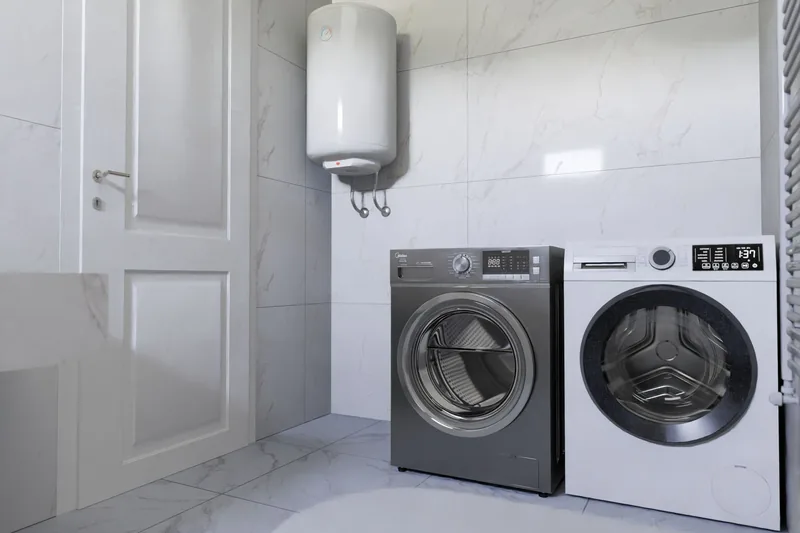
Rentals, residences and public bathrooms receive human feces cleanup and disinfection.
See human feces cleanup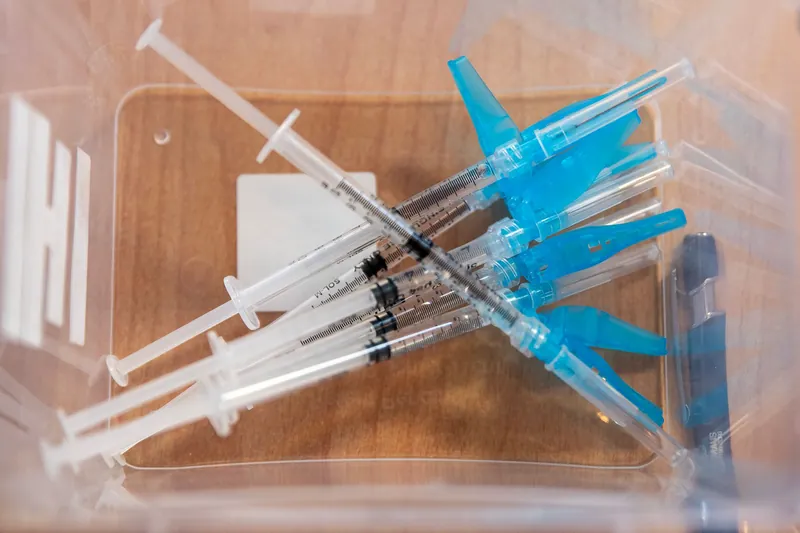
Needles and other sharps are removed from rentals, yards, encampments and parks.
See needle and sharps cleanup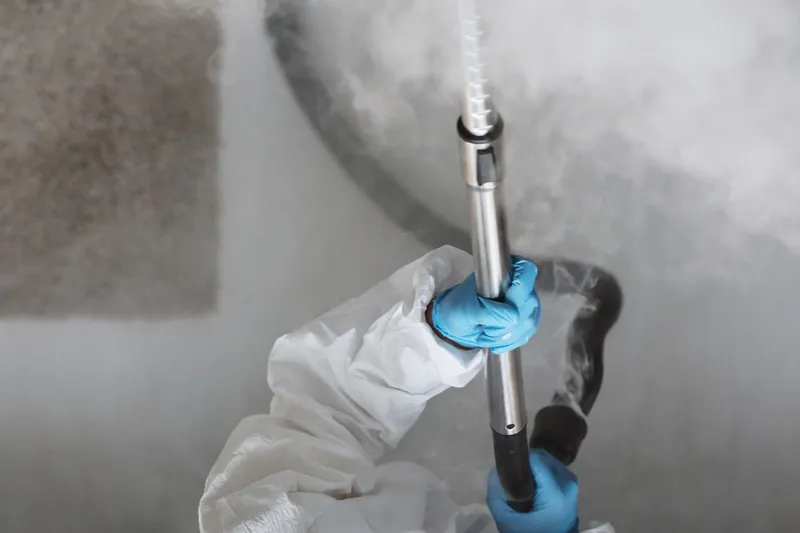
All surfaces receive full coverage with EPA-registered products for infectious disease disinfection.
See infectious disease disinfection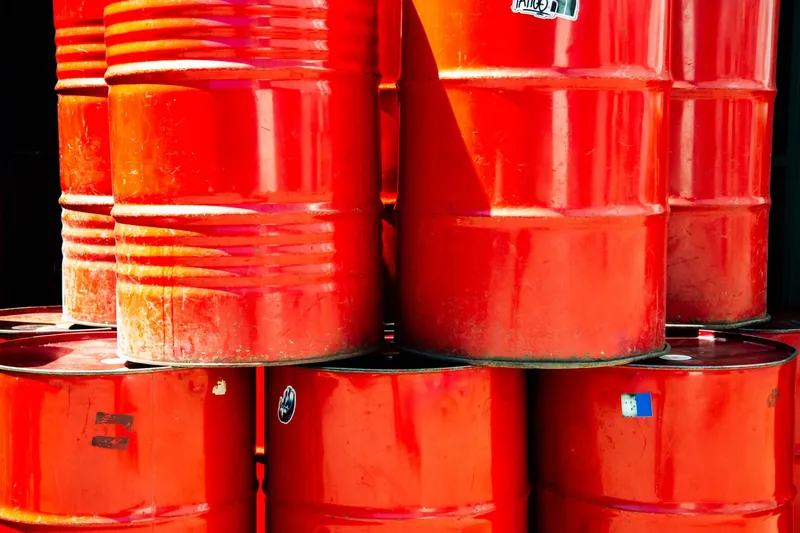
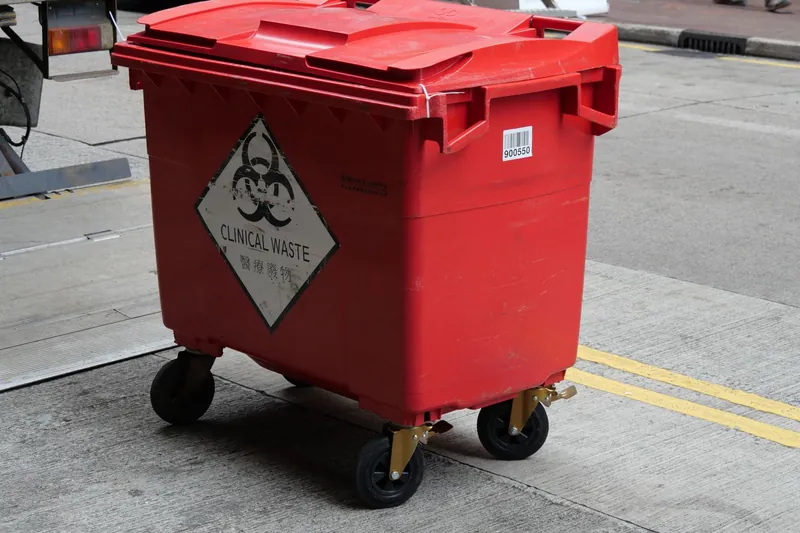
Biohazard waste is collected in labeled, sealed containers and taken for disposal.
See biohazard waste disposalYes, cleanup may often be scheduled when classes or childcare are not in session if access and circumstances permit. The affected room should remain closed before, during and after cleaning until the designated facility contact confirms the work is complete and the space can return to normal use.
Coverage may apply. Whether insurance applies is determined by what occurred, your deductible and the terms of the commercial liability or property policy. Keep the assigned claim number after reporting the event, then ask the adjuster which documentation to submit. Both the property owner and childcare operator may need notification if the space is rented.
School-specific ranges are not listed in published cost guides. Published guides show a wide span for general biohazard cleanup because projects vary by access, affected space, material type, porous surfaces and waste volume. An assessment is needed to define the school scope before the final cost can be determined.
Arrange cleanup for an incident outside the school exposure control plan, contamination without defined limits, impact to carpet or furniture, any needle, or a hard-surface area that is not minor. Keep students and staff away while an administrator assesses the situation and arranges the appropriate response.
Professional cleanup addresses blood, bodily fluids, sharp objects and contaminated materials inside schools and childcare facilities. Cleanup involves closing the affected area, taking out items that cannot be disinfected, treating suitable surfaces, keeping disinfectant in place for the contact time on its label and packaging waste according to relevant rules.
No standard duration applies to all schools. Cleaning one limited non-porous spot requires less effort than addressing affected walls, furnishings or carpet across multiple rooms. Scheduling is influenced by building access, waste removal and whether restoration follows. Only return the area to use after the chosen facility contact gives approval.
You can request respectful, discreet school and daycare biohazard cleanup 24 hours a day, and crews use unmarked vehicles.