Meth Lab Cleanup
Meth lab cleanup with residue testing, decontamination and clearance steps.
See meth lab cleanupGet mold, moisture damage, cultivation debris, chemical residue and odor assessed after indoor marijuana growing in Lemon City/Little Haiti. Cleanup starts after the property is released and safe to enter.

Marijuana grow house cleanup means restoring property conditions after indoor cultivation by addressing mold and high moisture, persistent plant odor, equipment left behind, fertilizer or pesticide residue and operation-damaged building materials.
Walls, floor assemblies and air passages may conceal contamination after a grow house has been emptied. Moist air can sustain mold affecting drywall, insulation or framing. A leaking irrigation setup may damage the finished floor and the subfloor beneath it. Dust, holes and changed electrical components from fans, ductwork or lighting must be evaluated separately by a suitable trade.
Property release by the appropriate authority or law enforcement must come before cleanup if a seizure occurred. After entry is allowed, technicians outline affected areas and make records of visible conditions. Electrical, structural and plumbing repairs remain distinct from remediation. This is biohazard work only where inspection confirms needles, bodily fluids or another biological contaminant. Unknown chemical contents are neither mixed nor assumed. They must be identified and, where needed, sent through a fitting hazardous waste disposal channel.
Ask before work starts which conditions could alter the scope, which tasks belong in the cleaning process and which call for another trade. Request a clear definition of these limits from the cleaning service.
The repair teams, building manager and insurance company can examine images, room notes and removal records to see what was done.
Crews use unmarked vehicles and, where entry allows, can shield the work area from public view.
Fixtures, documents and personal property are sorted with you when safe, so removal decisions match ownership and condition.
Grow house cleaning services are needed when indoor cultivation leaves conditions that ordinary housekeeping cannot correct safely. Every situation is different, but common examples include:
The proper waste path and cautious sorting are necessary for fuel, fertilizer, pesticide or unlabeled containers.
Plant odor has entered carpet, drywall, cabinets or the air system and remains after equipment is gone.
Walls, insulation, ceilings, carpet or framing show growth or smell musty because of moisture and leaks.
A warehouse or other commercial property needs cultivation materials removed and affected areas prepared for repair.
Secure property access and establish who controls it before anything else. If police, fire crews or a utility company are responding to an emergency, their work comes ahead of cleanup. Before technicians enter, follow these steps.
Call (888) 351-0904A separate grow-house cleanup range does not appear in published guides. For comparison only, guides covering general biohazard cleanup show a typical national span from $3,000 through $5,000 while many residential projects run from $2,500 through $8,000 and the residential average is listed from $1,800 through $4,500 in those publications. Do not treat these figures as grow-house ranges. Testing, reconstruction, disposal of chemicals, electrical work and mold removal can all affect the final scope.
Published national cost guides are the source for these ranges, rather than an inspection of your property. After an on-site assessment, the price for your property is determined and shared with you before cleanup begins.
Ask about cost: (888) 351-0904Insurance coverage varies with policy exclusions, the source of the damage and the identity of the person who ran the grow. The insurance company alone determines whether the claim is covered. Assistance related to insurance consists of arranging scopes, invoices and photographs, not making a coverage decision. Never presume coverage for illegal activity, gradual moisture, tenant damage or mold.
Find out which loss causes qualify, if an inspection must happen before work, what documentation is required and whether repair types carry different limits.
Contact the insurance company with the facts and ask separately whether water damage, contamination, mold and vandalism are covered. Keep the policy response and claim number.
Access and cleaning at a rental are usually arranged by its owner. Responsibility for the cost may depend on the lease, policy decision and any legal recovery from a tenant.
Retain the release paperwork, photos by room, work scope, waste records and bills. An insurance adjuster, lawyer or building manager may use these records to understand the cleanup.
Remediation proceeds in a controlled sequence, with the inspection determining the specific scope. You should get details about every stage, documentation of changes and updates from start to finish. Chemical waste, mold remediation, building restoration and electrical repairs may need separate specialists.
Technicians check access and tour the site carefully, noting visible mold, moisture, smells, waste and damaged finishes without disturbing unknown substances.
Room records and photographs identify affected areas, items to keep, removal needs and issues for a plumber, electrician or construction contractor.
Barriers keep surrounding areas separate from each work zone. Instead of using a standard setup, the team selects air control and protective equipment for the identified risks.
The team separates pots, plastic, hoses, lights and other items used to grow plants. Appropriate disposal channels are used for sharps, unidentified substances and waste subject to regulation.
After controlling the moisture source, containment is used to remove mold-affected carpet, insulation, drywall and other items that cannot be cleaned completely.
Remaining hard surfaces are HEPA vacuumed and damp cleaned as appropriate. Cleaning clears residue and dust from cabinetry, framing, shelves and reachable air channels.
Remove each odor source before treating the air. Particle management and odor reduction can be supported with HEPA scrubbers and carbon filtration while materials are cleaned.
A closing inspection checks whether the cleaned area matches the agreed scope. The handoff to restoration services and the electrical, plumbing and HVAC trades is supported by photos and removal records.
Call any hour. A marijuana grow house cleanup specialist answers, explains the steps and agrees a start time with you.
The main health risks and property concerns in a former grow house are mold, moisture, unknown chemical residue, unsafe building changes and contaminated materials left behind. Serious health risks depend on the materials and conditions found, so keep people out until the property is assessed.
Contact with fertilizers or pesticides can irritate your eyes, lungs or skin. Because an unlabeled container could contain another substance, never smell, open, combine or empty it into a drain.
Debris may conceal needles, blades, shattered lamps, glass or containers that held chemicals. Direct contact and puncture dangers are reduced through cautious sorting and appropriate protective gear.
Added lights, cords, fans, ducts and bypassed circuits can create shock or fire concerns. Cleanup does not replace an electrician's evaluation or code repairs.
Can you clean it yourself? After the site is released, ordinary debris can include empty, intact equipment and limited dry planting soil. Stop and seek professional cleanup when you see mold, standing water, unlabeled chemicals, damaged wiring, sharp objects or residue spread across porous materials.
When surfaces are reachable, sound non-porous items can be cleaned. Porous materials may need removal because of mold, water damage or deeply absorbed odor.
A dependable one-size timeline does not exist. Work in one limited room containing dry debris will be shorter than cleanup involving unknown chemicals, extensive mold, modified utilities and removal of affected materials throughout a property.
| Scene | Typical time on site |
|---|---|
| Limited debris and surface residue | Timing is set after evaluating the site and defining the work |
| Mold or moisture across several rooms | The time required varies with drying, containment and removal work |
| Chemicals, damaged utilities or reconstruction | Official release, additional trades or testing can lengthen the job |
Grow house odor removal starts by taking out plants, wet soil, moldy materials, chemical residue and other odor sources. Fragrance alone does not correct contaminated materials, moisture or residue hidden in porous finishes.
Cleaning of accessible air pathways and remaining surfaces follows removal of the sources. Activated carbon may reduce odor that lingers, while HEPA filtration captures small particles. Before operation, HVAC equipment and duct material connected to the grow rooms should be inspected. Wet material still needs repair, and mold still requires remediation, regardless of odor treatment.
The full marijuana grow house cleanup guide covers what is cleaned or removed, odor and air quality work, and the rules that apply in your state.
Read the full marijuana grow house cleanup guideLocal population patterns, housing and site access may affect how containment and cleanup are planned.
The approximately 1.8 mile trip to North Shore Medical Center matters when an injury must be assessed before anyone returns to the affected space.
Travel from Morningside, Bayside, or Little River Central may lead through the same area, so private staging should stay close to the affected property.
The neighborhood setting makes privacy especially important when equipment must pass through sidewalks, lobbies, or other visible common areas.
Clear location details prevent confusion between neighboring communities when specialized cleaning is needed for a drug-related property concern.
You can ask about cleanup in nearby communities and ZIP codes during the call.
Meth lab cleanup with residue testing, decontamination and clearance steps.
See meth lab cleanup
Protective equipment suited to hazardous materials is used during hazmat cleanup.
See hazmat cleanup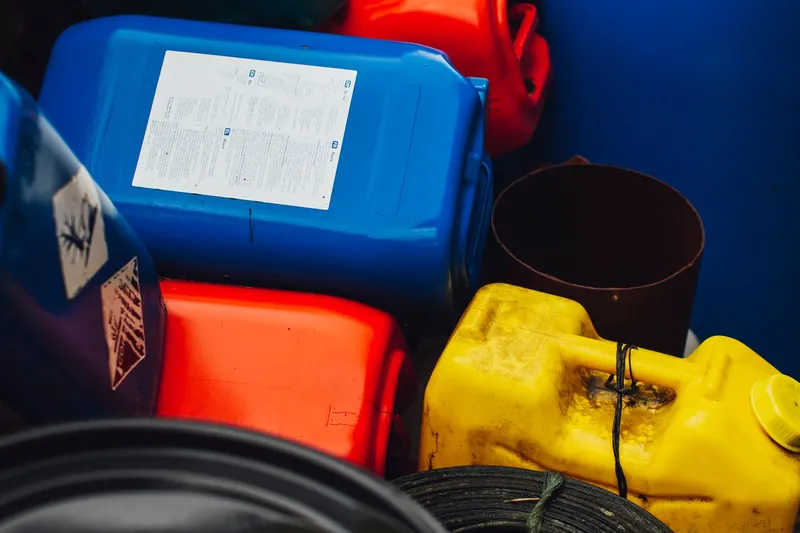
Chemical and toxic waste cleanup and safe disposal.
See chemical and toxic waste cleanup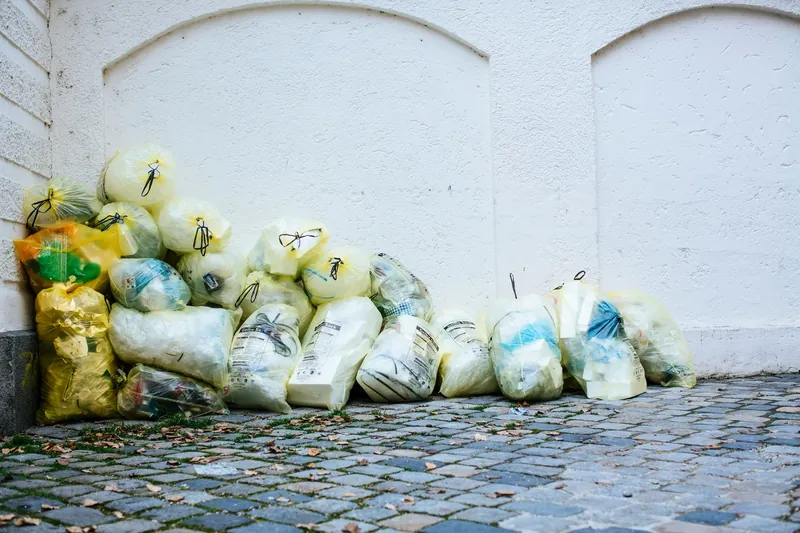
Removal of needles, pipes and drug residue from rentals and properties.
See drug paraphernalia cleanup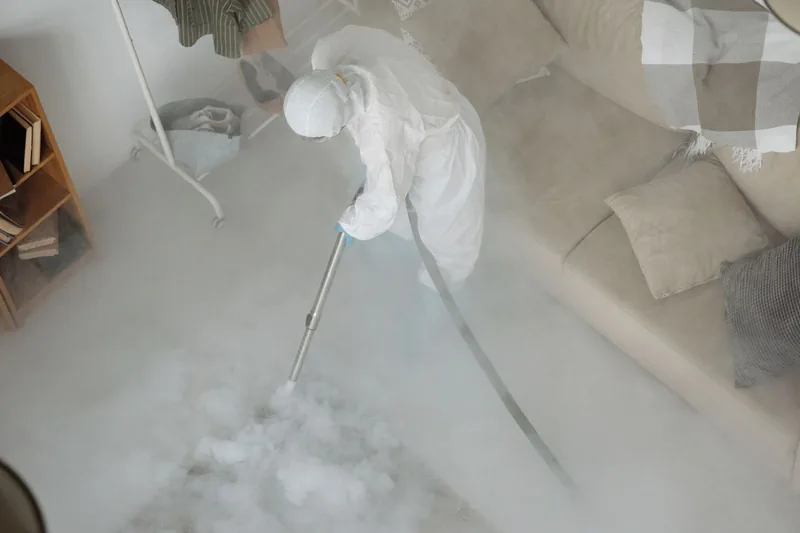
Full decontamination of rooms, surfaces and air after infectious or hazardous exposure.
See biohazard decontamination
After fentanyl exposure, decontamination addresses rooms, vehicles and other surfaces.
See fentanyl decontamination
Planning for industrial and commercial biohazard cleanup considers operations and access to the site.
See commercial and industrial biohazard cleanup
Needles and other sharps are removed from rentals, yards, encampments and parks.
See needle and sharps cleanupThe cause and policy control the decision, including possible exclusions for tenant actions, gradual damage, mold and unlawful activity. Report the facts to the insurer and ask for the decision in the claim record. Give the adjuster access to your photos, property release papers, cleanup scope and bills.
Timing depends on room count, moisture, mold, chemical waste, hidden damage and the need for testing or separate repair trades. The property needs an assessment before anyone can set a meaningful schedule. Cleanup may finish before electrical, HVAC, plumbing or reconstruction work is complete.
No distinct grow-house cleanup range appears in published guides. Published general biohazard cleanup benchmarks place the residential average range at $1,800 to $4,500 and list $2,500 to $8,000 for many residential projects. The amounts are only comparison points and do not quote grow-house work.
Keep everyone away, avoid operating fans or lights, and leave unidentified containers closed. Police involvement means you must wait for official release of the property. Inform the property owner and insurance company before scheduling a safety evaluation that happens ahead of cleanup or equipment movement.
Odor removal begins with plants, wet soil, residue and affected porous materials. Cleaning then covers retained surfaces and reachable air channels. HEPA equipment can filter particulates as carbon media helps reduce odors that remain. Scent products cannot substitute for correcting moisture, removing odor sources and remediating mold.
Yes, if mold treatment is included in the defined work scope. First correct the moisture source and isolate affected areas, then take out anything that cannot be cleaned completely. Hidden or extensive mold may need further investigation, while rebuilding waits until drying and remediation have finished.
Discreet, respectful marijuana grow house cleanup, 24 hours a day, with crews in unmarked vehicles.