Bodily Fluid Cleanup
Bodily fluid cleanup removes fluids and disinfects affected areas in businesses, homes and care settings.
See bodily fluid cleanupGet blood and bodily fluids removed from carpet, hard floors, walls, furniture or vehicles in Hialeah Gardens. The affected area is contained, cleaned and disinfected, with unsafe porous materials packaged for disposal.
Blood cleanup is a controlled service for taking away blood, bodily fluids and materials that cannot safely remain. Cleaning and disinfection follow the removal work.
A blood spill may look limited to one stain, but liquid can travel through carpet, seams, grout, furniture and gaps beside a wall. Professional blood cleaning starts by finding the full affected area and protecting the surrounding areas. Trained technicians then decide which hard surfaces can be disinfected and which porous materials need removal.
This type of biohazard remediation may be needed after an injury, medical event, workplace accident or other traumatic incident. The cleaning process is different from ordinary house cleaning because blood can contain bloodborne pathogens. Protective equipment, controlled work methods and careful waste disposal are part of the entire process.
Keepsakes and useful belongings should be discussed with you. Materials that can be isolated without risk should not be discarded as regular debris until you have been consulted.
You should hear what will be cleaned, what may need removal and why. Find out how technicians established the affected area boundary prior to accepting the proposed work.
You can reach someone during daytime or overnight, and cleanup crews come in unmarked vehicles. You can ask how access will be controlled around neighbors, customers or tenants.
To move forward with repairs, use photographs, an inventory and cleanup documentation to describe the damage to insurance companies.
When a spill is widespread, substantial or deeply absorbed, trying to clean it with household methods may be unsafe. Blood cleanup services are suited to situations such as:
More than one surface may be affected after a serious incident. Professional cleanup can shield loved ones from the burden and potential danger of doing the work themselves.
Floors, furniture, walls and surrounding belongings may be stained when a cut, fall or other injury occurs. Blood tracked or splashed beyond the main stain is checked by cleanup technicians.
For property owners and managers, cleanup may need to stay private and include photos plus records identifying treated and removed materials.
Blood can pass through seat fabric into foam, reach carpet padding or collect in narrow trim gaps. Careful inspection and cleaning must cover all of those materials.
Keep everyone clear of the blood first, and do not let it travel into clean areas. Use these precautions as you arrange professional cleanup:
Call (888) 351-0904Published industry guides list broad costs for blood cleanup, reflecting the difference between a small surface mark and fluid that has reached deeper materials. One guide states a span from $300 to $4,000 and a second shows $500 to $5,000; small blood cleanup carries another published range of $1,500 to $3,000. On-site scope, impacted materials and waste volume determine your final cost.
These ranges come from published national cost guides, not from a site visit. The price for your property is set after the on-site assessment, and you hear it before work starts.
Ask about cost: (888) 351-0904Blood cleanup may qualify for payment under homeowners, auto, renters or commercial insurance if the event is covered. The circumstances, deductible and language of your policy determine the claim.
Victims of violent crime can ask the Florida Attorney General's Bureau of Victim Compensation about cleanup, since its rules count crime scene cleanup costs as a compensable loss. Insurance is usually checked first.
Contact your insurance company after the event and confirm whether the policy covers biohazard cleanup plus removal of contaminated building materials. Save your claim reference and the adjuster's contact information.
Your insurance company can tell you what work records, item inventories and photos to submit. Save every receipt and wait for guidance from the adjuster before throwing away damaged items, except where keeping them poses an urgent safety risk.
Cleanup at a business or rented property may fall to the property manager, company owner or landlord to arrange. The circumstances, insurance terms and lease determine who is responsible.
Clean rooms remain protected through a controlled professional blood cleanup process. The specific steps for the affected space depend on how much blood is present and which materials came into contact with it.
Cleanup technicians inspect visible blood, adjacent surfaces and any likely path of spread. Photos and written notes let the remediation process set the work boundaries ahead of cleaning.
Clean spaces are kept apart from the cleanup area. The crew selects protective gear and maps a route that keeps tools and packaged waste away from clean areas.
Deeply absorbed blood may require removal of porous materials such as carpet underlay, upholstery cushioning, raw timber or drywall.
Visible soil is removed before disinfectant is applied. Cleaning extends beyond the middle of the mark to cover joints, borders, hardware and surrounding high-touch areas.
Technicians use an EPA-registered disinfectant on materials suitable for treatment. The surface stays wet for the full contact time stated on the product label.
The crew packages and labels removed material, then moves it to disposal in line with rules for that place and kind of cleanup.
The source of any odor is checked before air treatment. HEPA filtration may be used to control particles while affected materials are removed.
Technicians complete a final check, safely clear their tools and containment, then give you a work record to keep or share with insurance.

Call any hour. Your blood cleanup specialist answers the phone, describes what happens next and works with you on a start time.
Blood can carry pathogens, and a visible stain does not show how far liquid has traveled inside porous or layered materials.
Bloodborne pathogens assessed during professional cleanup include hepatitis C, hepatitis B and HIV. According to the CDC, hepatitis B can survive on a surface for at least seven days, which means dry blood must still be treated carefully.
You may find cleanup after trauma or a severe injury emotionally difficult. Cleanup crews can take on the work, which may reduce your burden and protect your health.
Safe containment and disposal under state requirements are necessary for blood-soaked material. Poorly secured bags or common open garbage may expose anyone nearby.
Can you clean it yourself? A few drops on a sealed, intact surface may be manageable with single-use gloves. Use a disinfectant registered by the EPA for the entire contact period shown on its label. Seek professional cleanup when you cannot tell how far blood spread, when sharp objects are nearby, or when it reached carpet, upholstery, unsealed wood or a wall cavity.
Blood cleanup can last several hours for a surface spill that remains contained. Work may extend to one or more days when blood has entered furniture, carpet padding or walls, or affected several rooms. An inspection must happen before the schedule can be estimated.
| Scene | Typical time on site |
|---|---|
| Minor blood spill affecting one intact, sealed surface | Often completed within several hours after assessment |
| Blood in carpet, furniture or one room | May require a full workday or longer |
| Several affected areas or material removal | May take one or more days, plus later restoration |
Odor cannot be corrected until its source is found and taken out. Fragrance does not address blood under carpet padding, in gaps around the subfloor, within furniture foam or behind a wall. Those locations need inspection. Materials may need removal if complete cleaning is not possible.
Once contaminated material has been removed and disinfection is finished, HEPA filtration can be part of the air quality work. Nearby surfaces may also need cleaning where particles have landed. More intensive odor treatments are evaluated only after source removal. Before equipment runs, you should learn how long the room needs to remain vacant, when you may use it again and what equipment is planned.
The OSHA Bloodborne Pathogens Standard, 29 CFR 1910.1030, sets requirements for worker exposure controls, protective equipment, training and related practices.
The product selected to disinfect blood must have EPA registration for that use. Follow all product label instructions, including the entire required contact period.
Florida calls it biomedical waste, and the term covers absorbent materials saturated with blood or body fluids. The Florida Department of Health's rules control packing, transport and treatment, so it cannot go in household trash.
Florida uses district medical examiners, with the Medical Examiners Commission under the Florida Department of Law Enforcement overseeing them. Cleanup starts after police or the medical examiner or coroner release the scene.
The full blood cleanup guide covers what is cleaned or removed, odor and air quality work, and the rules that apply in your state.
Read the full blood cleanup guide
Local housing, population and access details can shape containment, access and cleanup planning.
With a 38.8% renter share, some cleanup calls require a tenant and property owner to agree on access and material removal.
The 1992 median year does not prevent contamination from reaching subfloors through joints, edges, and utility openings.
With 11.6% of seniors living alone, private cleanup communication may need to include a relative who lives somewhere else.
Single-family homes represent 45.5% of housing in Hialeah Gardens, creating a mix of detached properties and buildings with shared spaces.
During your call, ask whether cleanup is available in surrounding communities and ZIP codes.
Bodily fluid cleanup removes fluids and disinfects affected areas in businesses, homes and care settings.
See bodily fluid cleanup
Blood, body fluids and other infectious materials are removed, followed by property disinfection.
See biohazard cleanup
After the property is released by police, crime scene cleaning removes blood and controls odor.
See crime scene cleanup
Trauma scene cleanup addresses the aftermath of accidents, injuries and violent incidents.
See trauma scene cleanup
Careful, private suicide cleanup keeps family members from having to confront the scene.
See suicide cleanup
After investigators depart, homicide cleanup removes blood, tissue and contaminated materials.
See homicide cleanup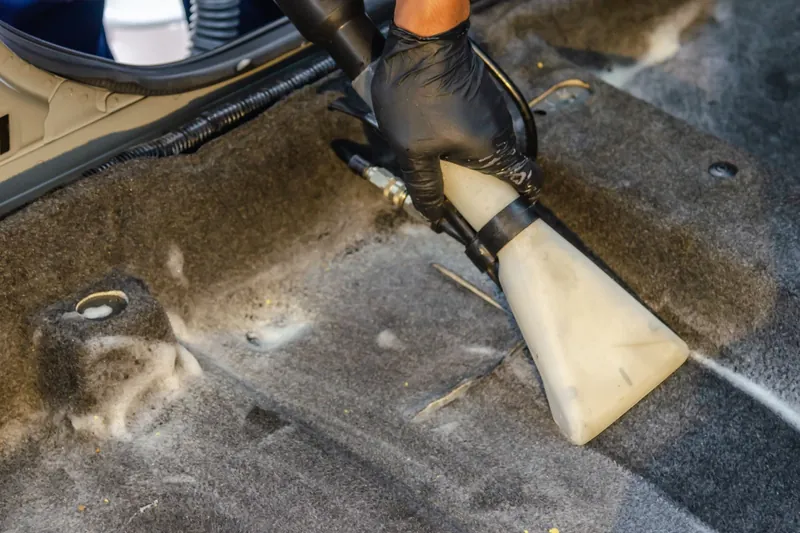
Carpet and upholstered items receive biohazard cleaning or are removed safely if necessary.
See biohazard carpet and upholstery cleaning
After medical waste removal, disposal takes place through approved treatment facilities.
See medical waste removalCost guides show broad ranges since a job might involve a single hard surface or multiple rooms requiring removal of absorbent material. This page cites cost-card ranges beginning at $300 and reaching $5,000. An assessment should identify the affected materials, disposal needs and work included for your specific property.
Technicians check whether blood stayed on the surface or reached padding, foam, seams or framing. Surface material may remain after treatment, but carpet padding and furniture foam with deep blood absorption commonly require removal. Cleanup must reach every contaminated layer instead of only making the surface mark look better.
A homeowners or renters policy may cover blood cleanup when the event that caused the damage is covered. The deductible, exclusions and documentation requirements still apply. Ask the insurance company specifically about biohazard remediation, then save photographs, cleanup records, your claim number and the list of affected items.
Ask how the affected area will be identified, what materials may be removed, which disinfectant will be used and how label contact time is followed. Your questions should cover waste packaging, completed-work records, possible odor control and any later restoration that falls to you.
Use disposable gloves, absorbent materials and an EPA-registered disinfectant labeled for the intended surface and organism. Follow every label direction, including contact time. Avoid mixing any cleaning products together. Professional cleanup is appropriate for a major spill, contaminated absorbent materials or any area containing sharp objects, so keep out.
You should keep others back, use disposable gloves and prevent any movement that might spread or splash the blood. You can clean a limited amount of blood from a sealed hard surface, then keep an EPA-registered disinfectant wet for its full label contact time. Have a professional assess blood that reached cracks, carpet, timber or furniture fabric.
You can request respectful, discreet blood cleanup 24 hours a day, and crews use unmarked vehicles.