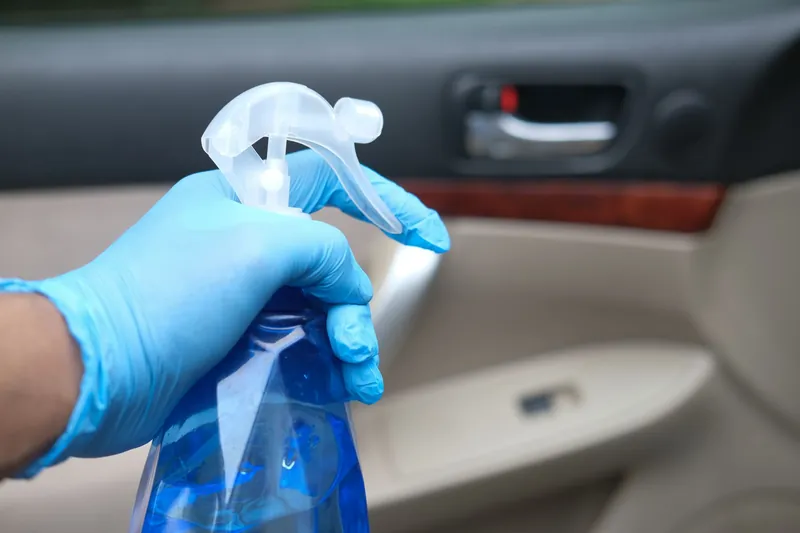
Police and Ambulance Vehicle Decontamination
Decontamination treats ambulances, law enforcement cars and transportation vehicles.
See police and ambulance vehicle decontaminationGet blood, bodily fluids, waste and odor removed from a car, truck, RV or boat in Country Walk. Vehicle biohazard remediation reaches hidden contamination in seats, carpet, trim and the air system.
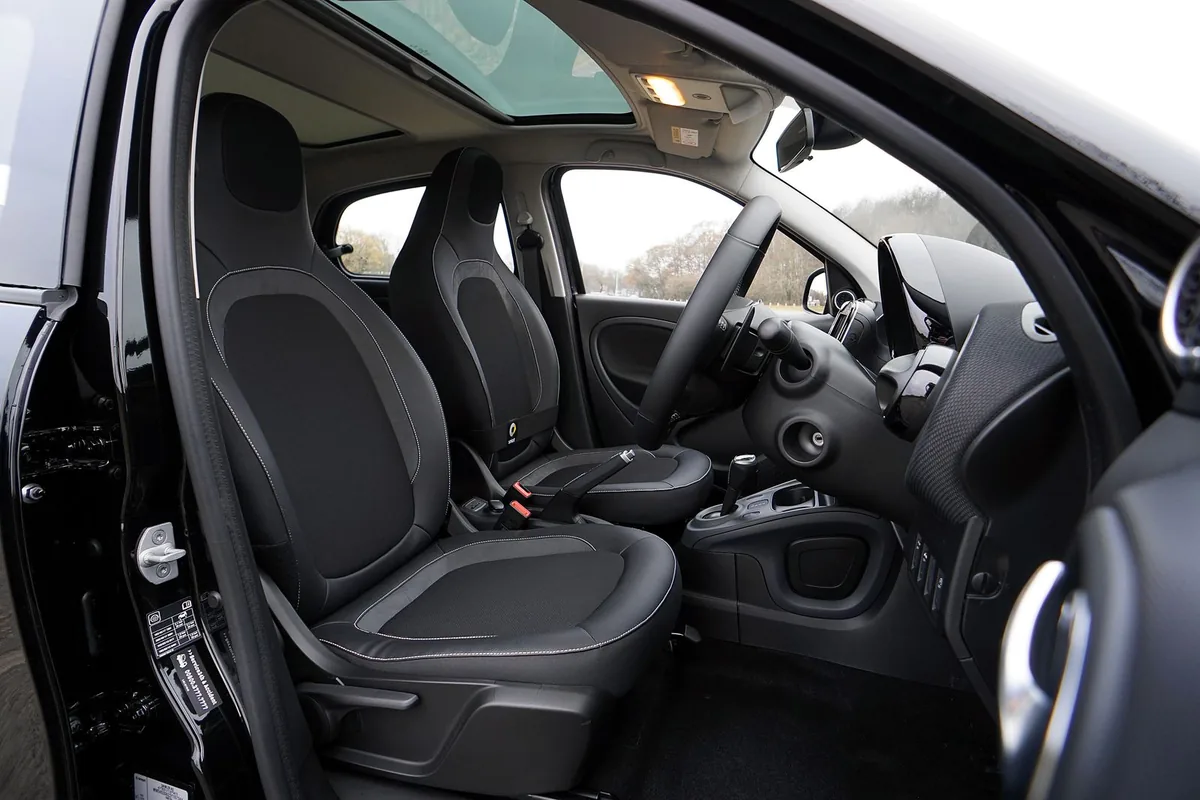
Careful removal of blood, waste from people or animals, body fluids and other contamination from a car, RV, truck, fleet vehicle or boat is vehicle biohazard cleanup. After removal, the affected area is cleaned, disinfected and treated for odor.
Contamination can follow concealed paths inside the cabin. Liquid can move from the seat surface to its foam, beneath floor carpet, around clips for the trim and along spaces containing wires. Ventilation may carry odor through vents and to the cabin filter as well. Standard detailing improves appearance. Vehicle biohazard remediation looks beyond that goal by following the affected route and examining surrounding material.
A controlled assessment guides the use of protective equipment, detailed cleaning, hazardous waste disposal and removal of anything that cannot be fully disinfected. The label's complete contact time is observed by keeping an EPA-registered disinfectant wet. This process clarifies which vehicle components can remain and which affected interior materials must come out.
You help decide how paperwork, equipment and personal items are separated. Being present in the car does not automatically make an item waste.
Calls receive an answer around the clock, while unmarked vehicles help crews arrive discreetly. You are free to describe what occurred in private and consider the next action without being pressured.
Documentation for your property owner, fleet records or insurance company can include images, the cleaning scope and details of materials taken out.
Learn about the vehicle inspection process before you select a cleanup company. The explanation should cover inspection findings, parts that can remain, materials requiring removal and cost factors, giving you the details needed to move forward.
A tiny mark that can safely be wiped off a hard surface is different from contamination that requires biohazard vehicle cleaning. No two events are identical. In these common situations, keep the vehicle closed and have it inspected:
Sharps associated with drug use may cause both needlestick and exposure risks. Avoid reaching into door storage or beneath vehicle seats, where you may encounter an unseen sharp item.
After law enforcement releases a vehicle connected to a crime or traumatic event, a cleaning service can address contamination without asking you or your loved ones to face it.
Work trucks, emergency response vehicles, taxis and rideshare cars may have to complete a recorded cleaning process prior to reentering service.
Seat cushioning, floor materials, interior trim and air quality can all be affected by a death in a vehicle. The source must be removed before disinfection and odor removal.
Begin by reducing contact and preventing affected material from traveling farther inside the vehicle. Before cleanup technicians examine it, use these precautions:
Call (888) 351-0904Published vehicle biohazard cleanup prices run from $500 to $5,000. The eventual cost reflects what materials are inside, the event's severity, how long ago it occurred and whether air-system decontamination is required. Inspection is necessary since contamination under carpeting or seating may be impossible to see while looking through a door.
These national ranges are taken from published cost guides, rather than a property visit. After an on-site assessment, the price for your property is determined and shared with you before cleanup begins.
Ask about cost: (888) 351-0904Auto insurance can sometimes cover vehicle biohazard cleaning when the underlying event falls within your policy. Since deductibles, required documents and coverage differ, ask the insurance company about them before authorizing the work if circumstances permit.
Tell the adjuster what happened without disturbing the vehicle. Find out whether the policy pays for towing, biohazard cleaning, affected interior removal and later restoration.
Retain the claim number along with photographs, cleanup details, disposal records and a removal inventory. Check with your claims adjuster prior to disposing of damaged items that could require examination.
Claim initiation and permission to access the car usually come from its owner or fleet manager. Commercial policies may have different limits, exclusions and record requirements.
Victims of violent crime can ask the Florida Attorney General's Bureau of Victim Compensation about cleanup, since its rules count crime scene cleanup costs as a compensable loss. Insurance is usually checked first.
Each stage of vehicle biohazard remediation is ordered to prevent affected material from moving around the cabin. Decisions throughout the process depend on the event itself, the length of time after exposure and the types of interior material.
During inspection, cleanup technicians check the passenger area, cargo section, trunk, flooring, seat edges and exposed ventilation intakes. Pictures show the vehicle's initial condition and support the cleanup scope.
Public access is restricted around both the work area and vehicle. The exposure determines the gloves, clothing, eye shields and other protective gear used during cleanup.
You can decide what happens to contaminated materials, while belongings are divided into unaffected, potentially cleanable and affected groups.
Removal applies only when contamination enters seat covers, foam, carpeting, padding, headliner or trim that cannot undergo complete disinfection.
Cleaning solid surfaces comes first, followed by application of an EPA-registered disinfectant. For the entire contact time listed on the label, the surface is kept wet.
If contamination or odor could have reached the climate system, the inspection includes vents, air intakes and the cabin filter. Removing the source continues to come first.
Materials taken from the vehicle are packaged and discarded according to the applicable waste requirements. An insurer or fleet manager can use the cleanup records.
To avoid material being left behind, cleanup technicians visually inspect the affected areas along with surrounding areas. You receive an explanation of cleaned areas, removed materials and any restoration services still needed.
Call any hour. You speak with a vehicle biohazard cleanup specialist who outlines the process and schedules a start time with you.
Blood, bodily fluids, waste and hidden sharp objects can create serious health risks inside the small, enclosed space of a vehicle.
Fluids travel downward and through joined edges. Even if the surface appears dry, it may have entered foam, padding, floor channels or hardware below.
Blood may carry HIV as well as hepatitis B and hepatitis C. According to the CDC, hepatitis B remains viable on surfaces for at least seven days, which means dry material still requires care.
A hidden needle could be among personal property, below a seat or in a storage pocket. Searching the vehicle interior without puncture-resistant equipment may expose you to hazards.
Can you clean it yourself? With gloves, you may clean several fresh drops from a non-porous hard surface using an EPA-registered disinfectant that stays on for the complete label contact time. Stay away and seek professional cleanup when liquid enters fabric, seams, foam, carpeting, the headliner or vents, or whenever sharps are present.
Whether an interior part stays depends on material and access. Non-porous pieces may remain if there is access to clean and disinfect every side. Affected porous material may require removal after a spill soaks in.
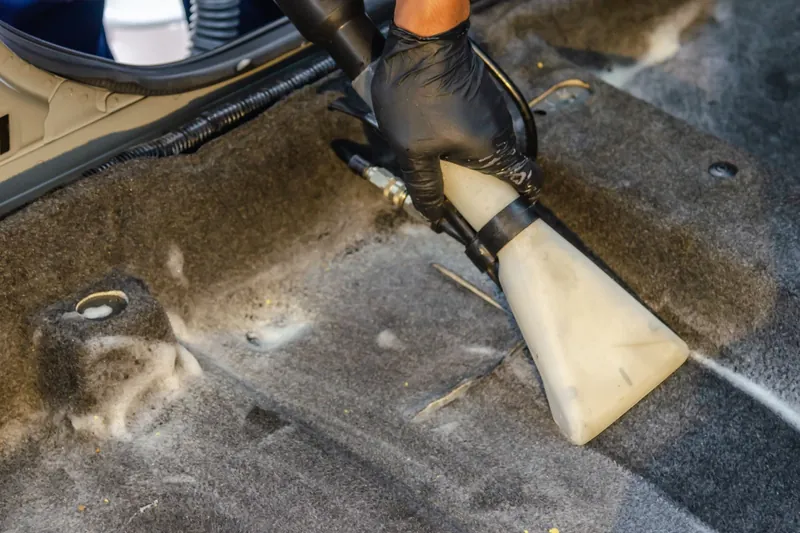
How much time biohazard vehicle cleaning requires can be determined after inspection. A hard-surface area with limited contamination takes less time than work needing seats and carpeting removed, vents examined, treatments repeated or components replaced.
| Scene | Typical time on site |
|---|---|
| Limited hard-surface contamination | Time estimate established following an inspection of the affected area |
| Seats, carpet or cargo area affected | Interior material removal extends the cleanup schedule |
| Widespread contamination or air-system work | The timeline varies with drying, entry to affected areas and repair needs |
Vehicle odor removal begins by finding and removing the contaminated source. Fragrance, an air freshener or surface shampoo can hide odor for a short time, but it cannot clean fluid inside seat foam, carpet padding, insulation or a cabin filter.
After source removal, reachable surfaces are cleaned and disinfected. The air intake, vents and cabin filter can be inspected when odor traveled through the climate system. Air treatment may support the cleaning process, but it does not replace removal of affected porous material. Keep the fan off until the source and air path have been evaluated.
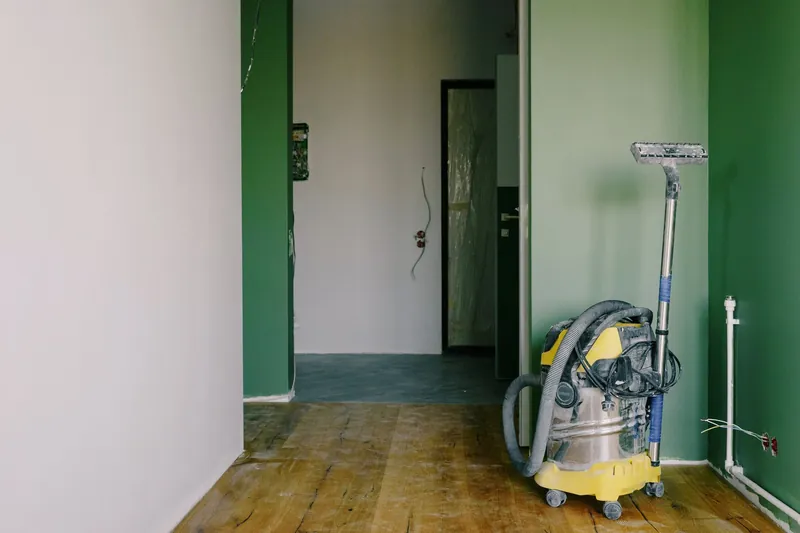
The full vehicle biohazard cleanup guide covers what is cleaned or removed, odor and air quality work, and the rules that apply in Florida and Miami-Dade County.
Read the full vehicle biohazard cleanup guideLocal population patterns, housing and site access may affect how containment and cleanup are planned.
With renters in 20.1% of local homes, owner occupied properties form most of the housing context for cleanup planning.
Local housing has a median build year of 1997, so cleanup should protect intact finishes while removing materials that cannot be disinfected.
Even at 8.5%, seniors living alone can benefit from regular contact that shortens the time before an emergency is noticed.
At 93.0% single-family housing, cleanup boundaries may include attached garages, utility rooms, or storage areas beyond the main room.
You can ask about cleanup in nearby communities and ZIP codes during the call.
Decontamination treats ambulances, law enforcement cars and transportation vehicles.
See police and ambulance vehicle decontamination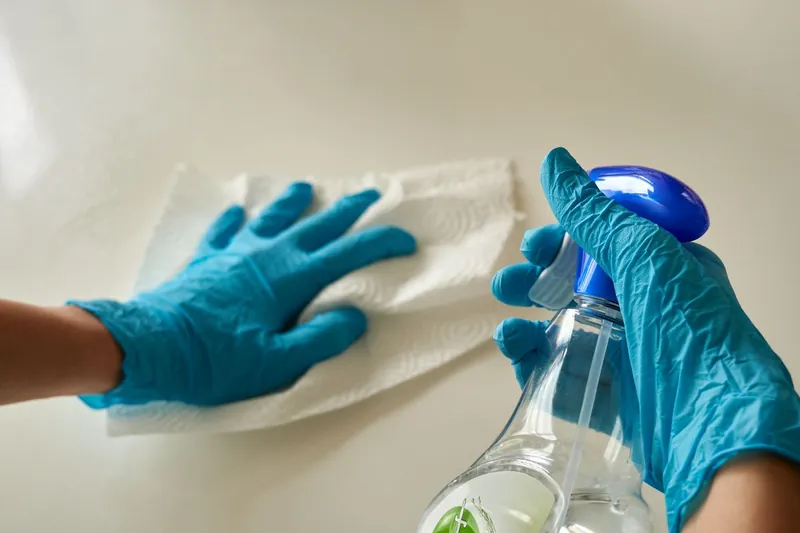
Carpet, solid floors, walls and furnishings receive blood cleanup that includes safe disposal.
See blood cleanup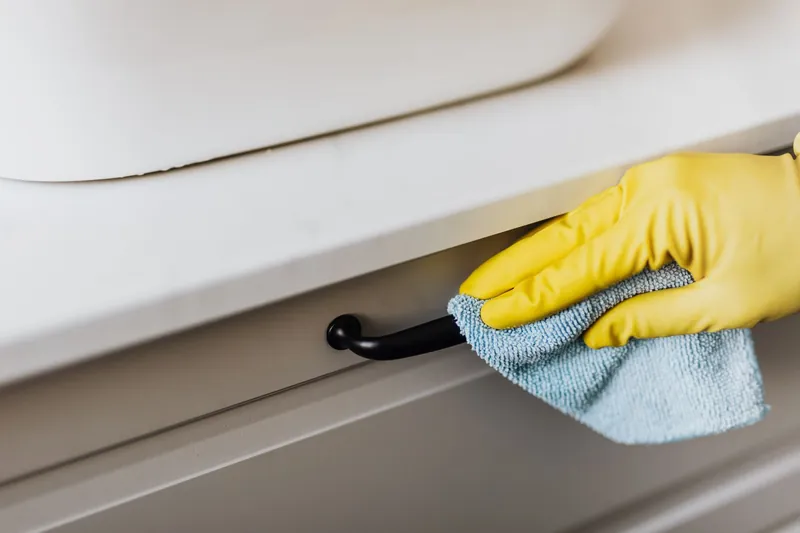
Bodily fluid cleanup and disinfection for homes, care settings and businesses.
See bodily fluid cleanup
Carpet and upholstered items receive biohazard cleaning or are removed safely if necessary.
See biohazard carpet and upholstery cleaning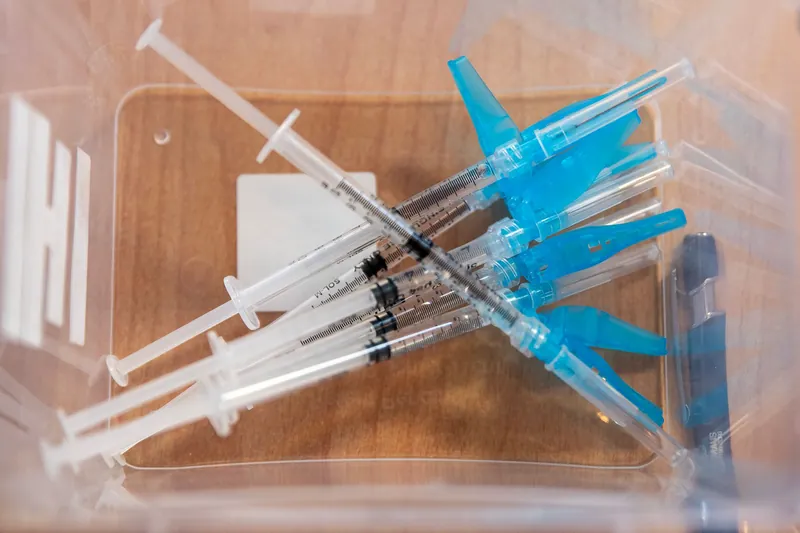
Needles and other sharps are removed from rentals, yards, encampments and parks.
See needle and sharps cleanup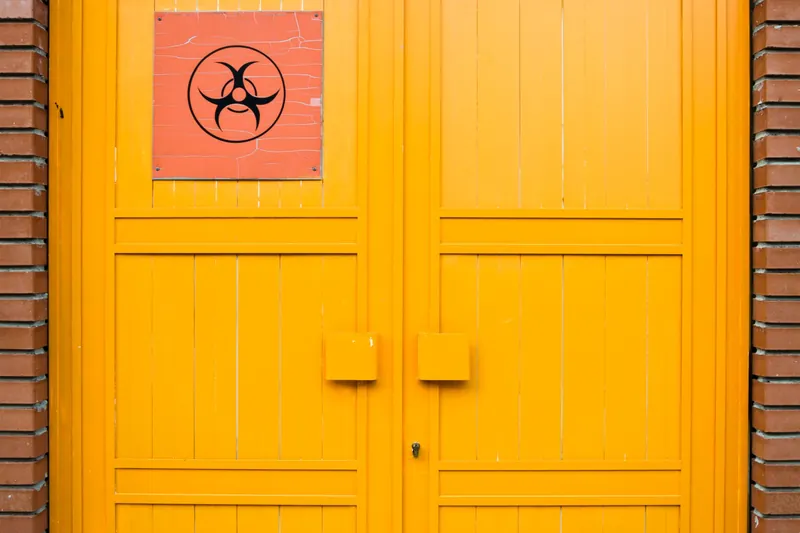
Trauma scene cleanup is needed after violent events, accidents and injuries.
See trauma scene cleanup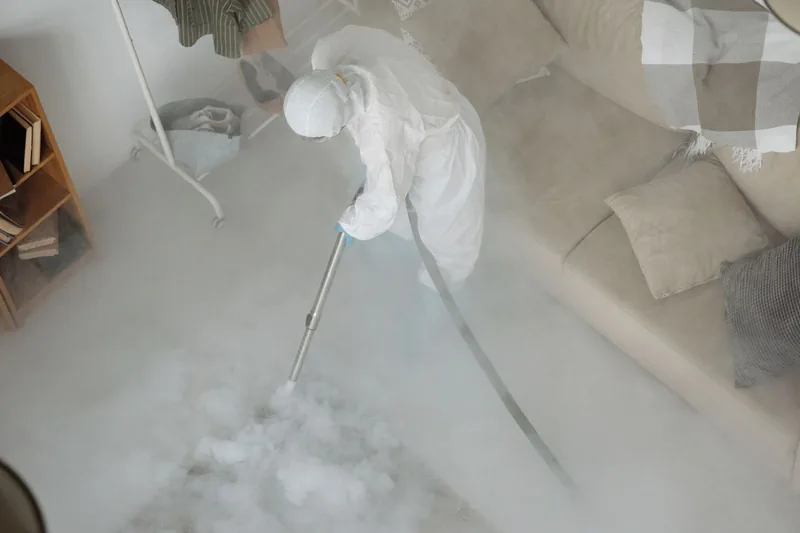
Complete decontamination treats the room, its surfaces and the air after a hazardous or infectious exposure.
See biohazard decontamination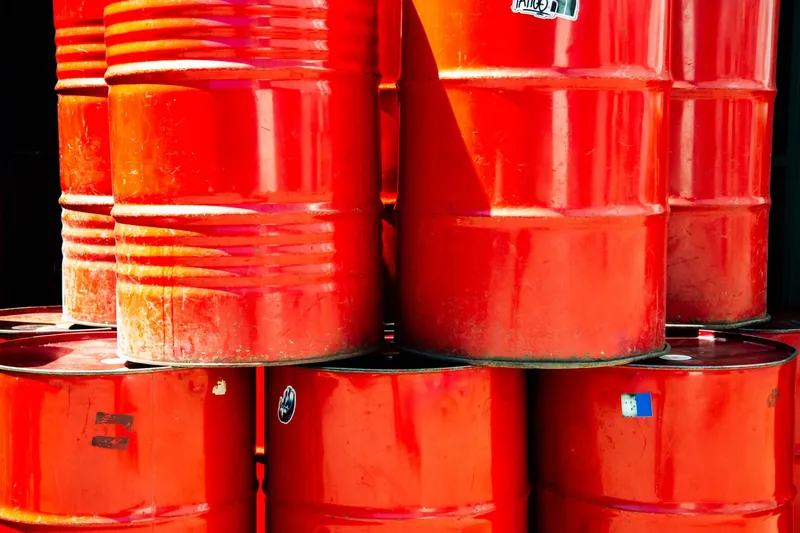
Biohazard waste pickup and disposal in sealed, labeled containers.
See biohazard waste disposalThe report generally shows that information about a vehicle's biohazard exposure reached a record source. You do not learn the specific incident, present condition or quality of cleaning from that notation. Your decision to buy or use it should follow an independent assessment and examination of the seller's event details, cleanup paperwork and replacement-parts record.
Your automobile policy may pay for cleaning if it covers the event that caused the contamination. You may face an exclusion or deductible because cleanup is not covered by default. When conditions allow you to wait, contact your insurance company before cleanup, explain what occurred, discuss towing and interior restoration, and ask the adjuster which pictures or documents to collect.
Published costs are $500 to $5,000, as listed in BioCleaners Directory's Biohazard Cleanup Cost Guide (2026). The final cost changes with the interior materials, severity, elapsed time and need for climate-system decontamination. A view through an open door cannot reveal every affected area, including seat interiors and the space below floor covering.
Safety depends on whether the full affected area was found and whether contaminated porous materials were removed or successfully treated. Get a clear record of cleaning and removal, including confirmation about inspection of vents or the cabin air filter. Prospective buyers should read the full record and think about getting an independent vehicle assessment.
The first actions are keeping others away and checking the path of the material. During the cleaning process, workers sort personal property and remove porous parts beyond disinfection before cleaning hard materials and applying an EPA-registered disinfectant for its complete contact time. Odor sources, vents and the cabin filter are checked before a final inspection of the interior.
Personal items need sorting before workers start the cleanup. Hard items that tolerate washing may be cleaned, while property outside the affected area can be moved aside. Absorbent personal items that contacted liquid might not be saved. When sharps or needles may be present, keep your hands out of pockets, spaces below seats and piles of loose property.
Discreet, respectful vehicle biohazard cleanup, 24 hours a day, with crews in unmarked vehicles.