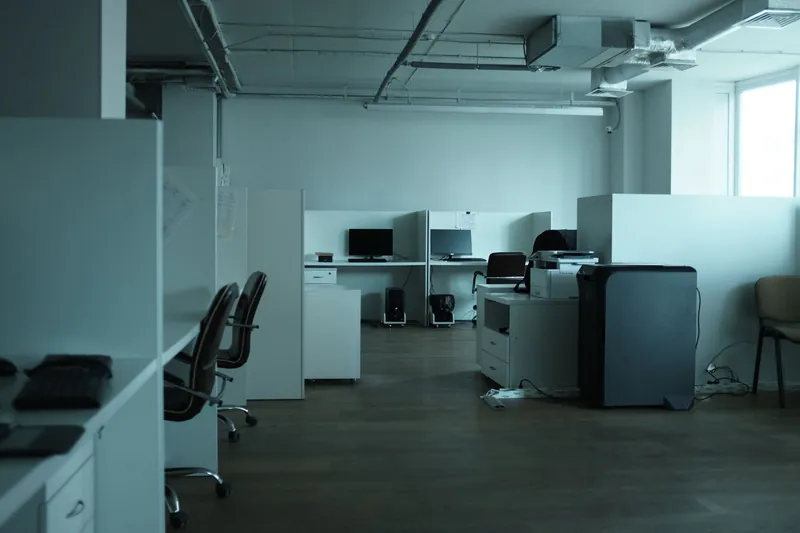
Office and Workplace Biohazard Cleanup
Workplace biohazard cleanup addresses office injuries and exposure incidents at work.
See office and workplace biohazard cleanupGet commercial biohazard cleaning for an office, store, warehouse or industrial property in Biscayne Gardens. The cleanup can include containment, contaminated material removal, disinfection, odor treatment and waste disposal.
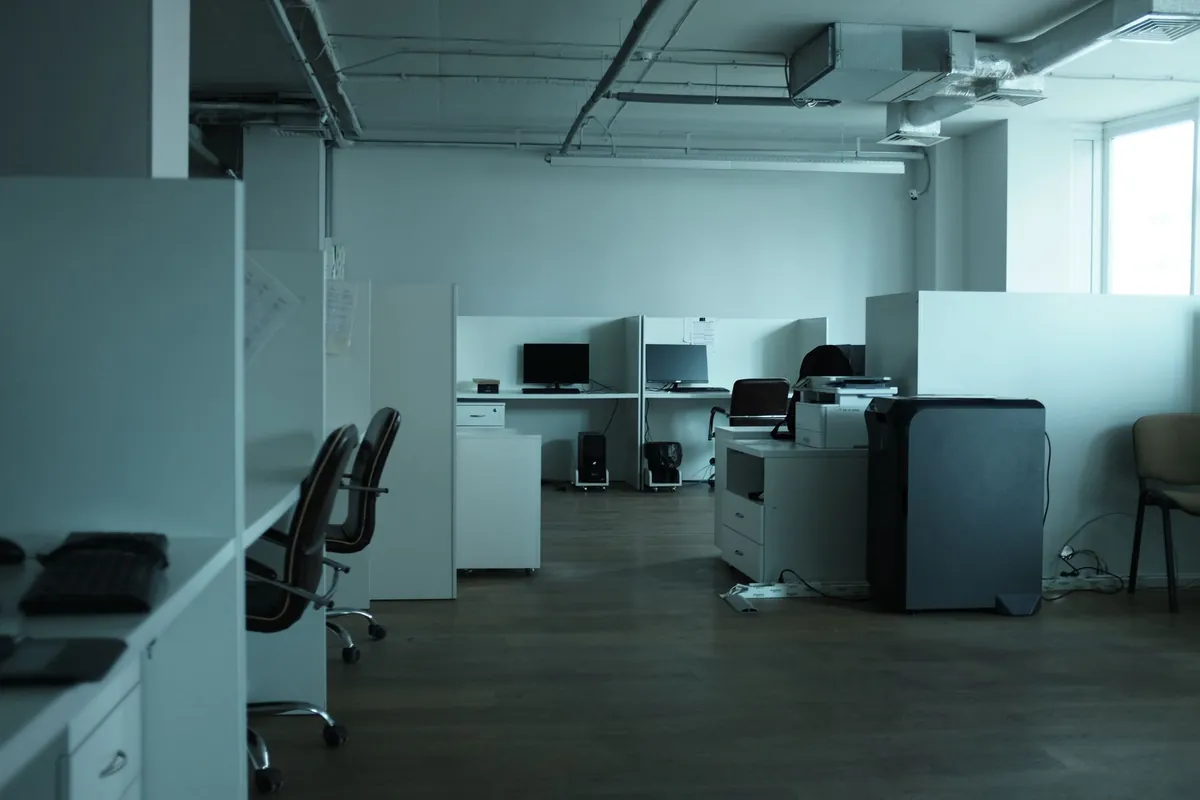
Commercial biohazard cleanup is the controlled removal, cleaning, disinfection and disposal of biological contamination in a workplace, industrial building or other business property.
The affected area may contain blood, bodily fluids, human waste, sharps or other hazardous materials. A professional cleanup can be needed after an injury, unattended death, crime scene, sewage backup or discovery of discarded needles. The work is different from ordinary janitorial cleaning because invisible contamination may extend beneath flooring, behind baseboards or into nearby surfaces.
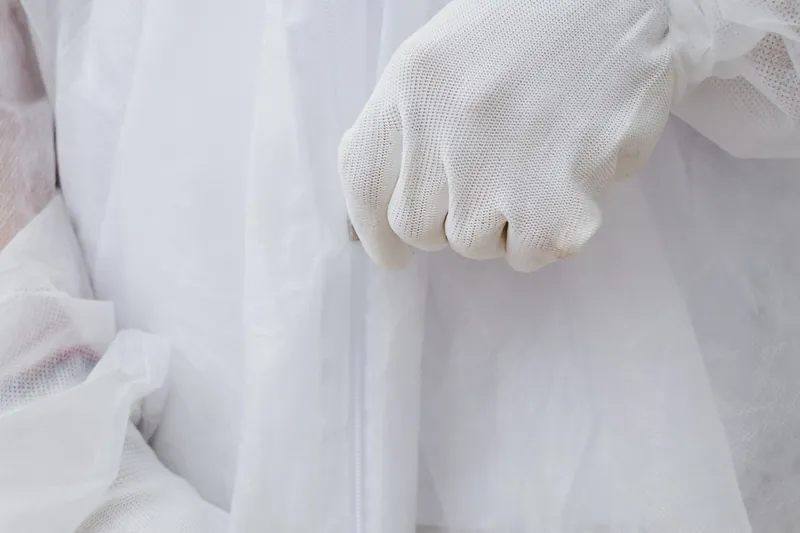
Before cleanup, the site is assessed and containment is planned. Protective equipment is used by trained professionals and technicians while the work zone is separated from other spaces. Materials that cannot be disinfected are removed, and EPA-registered disinfectants remain in place for the label's full contact time. Documentation also covers waste disposal, photos and a defined scope, showing property owners, an insurance company and facility managers what the work included.
Equipment, documents, inventory and employee belongings are reviewed with the person in charge before recoverable items are cleaned or damaged items are removed.
You first learn about removal reasons, cleaning work, reopening considerations and the affected areas, then choose how to move forward.
Photos, scope details and waste records can be organized for property owners, insurance companies and facility files.
To protect privacy at retail locations, offices, warehouses and similar public-facing sites, unmarked vehicles arrive and work areas stay controlled.
Workplace biohazard cleanup is needed when routine cleaning cannot safely address the contamination. Every situation calls for a response based on the material, where it traveled and who may have entered the area. Common situations include:
Urine, pests, feces, sharps and spoiled matter may be obscured by severe clutter. Where contamination is found, commercial hoarding cleanup services include cautious sorting along with biohazard remediation.
Sewage qualifies as Category 3 black water. Harmful microorganisms can travel with it into surrounding areas, wall edges, inventory and flooring.
When an unattended death occurs in a hotel room, restroom, vacant unit or private office, nearby materials, porous finishes and air quality can be affected.
Following an injury at work, blood may contact stock, floors, machinery and nearby routes. Keep people out while the affected areas await assessment and cleaning.
An emergency response should protect people and preserve the scene before the cleaning service begins. A simple, controlled response reduces tracking and helps the assessment stay accurate:
Call (888) 351-0904The range listed for a large commercial biohazard event in published commercial cost guides is $10,000 to $100,000. When tear gas affects commercial property, another published guide lists $10,000 to $50,000. Each range is a broad guide rather than a price for all jobs. The hazard, affected square footage, material removal, waste disposal, testing, access limitations and business downtime determine the actual scope. Those published guides omit a reliable hourly rate for commercial cleanup.
These ranges come from published national cost guides, not from a site visit. The price for your property is set after the on-site assessment, and you hear it before work starts.
Ask about cost: (888) 351-0904Payment depends on the cause of the loss, the property policy, the lease and any other applicable coverage. Ask the insurance company to confirm coverage before assuming a commercial biohazard claim will be paid.
Cleanup connected to a covered loss may qualify under some policies, subject to applicable exclusions, limits and the deductible. Report the facts to the insurance company and save the claim number.
Find out which invoices, disposal documents, scope details and photographs must be submitted. Keep damaged items available for inspection unless leaving them in place would create a safety risk.
Responsibility for business interruption, inventory, fixtures and the premises may be allocated through a lease. Both tenant and owner should consult their insurers and examine the lease.
Homeowners or renters insurance is usually the first place to ask about cleanup costs. After a death the estate often pays, and in a rental the owner usually arranges the cleanup. The program controls eligibility, and a business cannot rely on this source before receiving confirmation that it applies.
During commercial cleanup, occupants need protection, clean travel paths must stay apart from the work zone and each step should be documented. The remediation process differs by facility, though cleanup generally proceeds in this sequence:
The affected area, adjacent rooms, access paths, surfaces and business needs are examined by cleanup technicians. What can stay for cleaning and what needs removal are identified in the scope.
The work space is contained behind barriers with access restrictions. Technicians select gloves, suits, eye protection and respiratory protection that fit the hazard.
Materials that cannot be thoroughly disinfected, including furniture, stock, carpet, pad, insulation, ceiling tile or drywall, are removed and prepared with labels and packaging for correct disposal.
Before applying disinfectant, technicians clear away visible soil. EPA-registered products remain visibly wet throughout the label's full contact time.
When their design makes cleaning possible, non-porous equipment, fixtures and tools are cleaned. Sensitive items are reviewed before any decision to keep or remove them.
First, remove the source. When particles or odors remain within containment, the next steps can include HEPA air filtration and further odor treatment.
A planned exit path keeps sealed or bagged waste controlled as it moves to an appropriate disposal or treatment site under the rules that apply.
The agreed scope guides inspection of the area after cleaning. Photos, disposal records and any requested post-cleaning checks can support reopening and insurance files. Restoration services can follow if flooring, drywall or other finishes were removed.

Call any hour. You speak with a commercial and industrial biohazard cleanup specialist who outlines the process and schedules a start time with you.
Commercial biohazards can put health at serious risk when contact, disturbance or foot traffic moves contaminated materials, bodily fluids or waste past the affected space.
Soaked waste or used needles may expose workers who collect trash, sort items or lift debris. Sharps belong in puncture-resistant containers, not loose bags.
Grout, wall borders, carpet and seams can allow liquid to pass through. Contamination may be left behind beneath a surface or inside a connected space when cleaning ends at the visible mark.
Loved ones, employees and occupants may feel the effects even when they never witnessed what happened. Reduce needless exposure, respect people's privacy and make suitable support resources available.
Can you clean it yourself? An established exposure-control plan may guide a trained employee cleaning a very small spill from a hard, non-porous surface. Wear appropriate protective equipment and keep an EPA-registered disinfectant wet throughout its stated contact time. If contamination reached porous material, spread beyond clear boundaries or involves sharps, sewage or an unknown substance, keep the area closed and seek professional cleanup.
A non-porous item may remain if all of its surfaces can be reached and thoroughly cleaned. Removal is needed for porous materials once contamination has soaked into places cleaning cannot reach.
OSHA Bloodborne Pathogens Standard 29 CFR 1910.1030 covers occupational exposure controls along with training, protective equipment and associated work practices.
A disinfectant used for the target organism should be registered by the EPA and remain on the surface for the full contact time on its label.
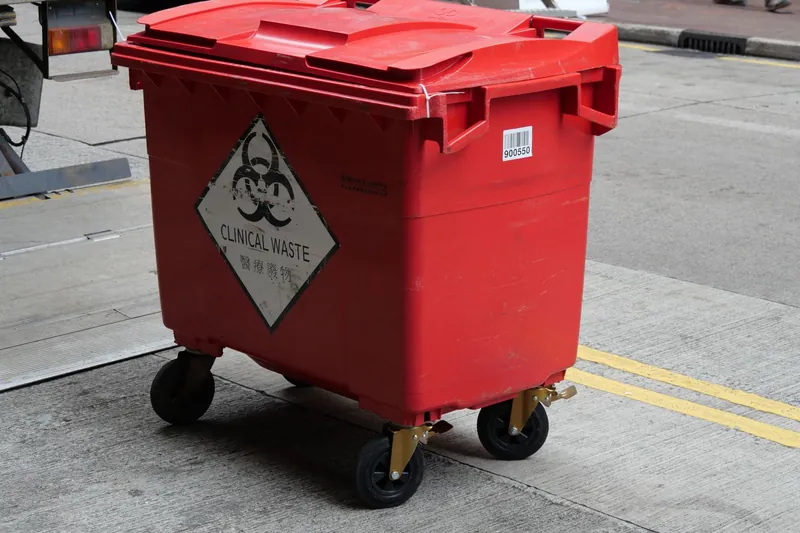
Florida calls it biomedical waste, and the term covers absorbent materials saturated with blood or body fluids. The Florida Department of Health's rules control packing, transport and treatment, so it cannot go in household trash. Applicable requirements depend on site conditions and the category of waste.
Local health and building rules can affect how a contaminated room is cleaned and when it can be used again, so mention any notice you have received from the city or county. No one should disturb a crime scene or death scene before the responsible authority releases it.
Commercial biohazard cleanup time depends on the hazard, the size of the affected area, building access and whether materials must be removed or tested. A small contained area may need one work period, while a larger industrial site may require several phases before reopening.
The full commercial and industrial biohazard cleanup guide covers what is cleaned or removed, odor and air quality work, and the rules that apply in your state.
Read the full commercial and industrial biohazard cleanup guideLocal population patterns, housing and site access may affect how containment and cleanup are planned.
Renters make up 47.1% of households in Biscayne Gardens, so cleanup planning should work for both owner occupied and leased homes.
The local median home dates to 1965, making a room by room material assessment more useful than one cleaning method everywhere.
In Biscayne Gardens, 1,050 older adults live alone, so relatives may need clear photos and records when managing cleanup from afar.
With 59.6% single-family housing, cleanup plans should fit both private homes and units with common halls, walls, or ventilation.
During your call, ask whether cleanup is available in surrounding communities and ZIP codes.
Workplace biohazard cleanup addresses office injuries and exposure incidents at work.
See office and workplace biohazard cleanup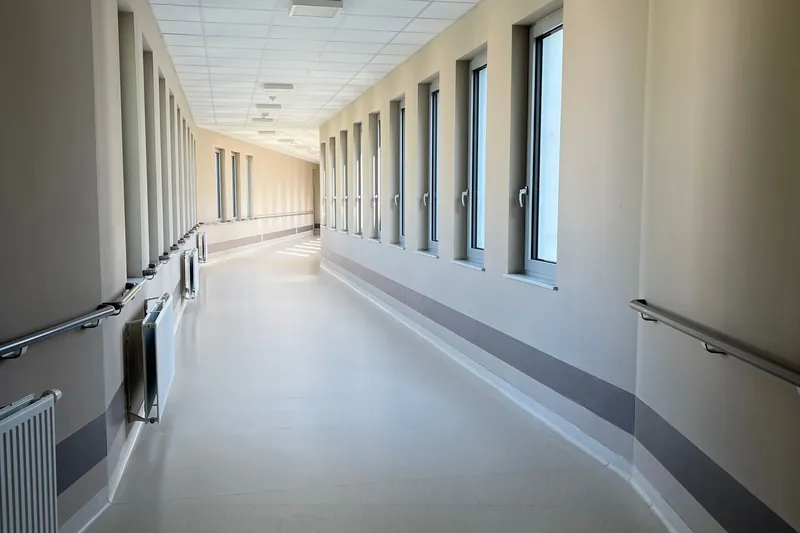
Healthcare biohazard cleanup covers clinics, care facilities and residential care homes.
See hospital and healthcare biohazard cleanup
Rental property biohazard cleanup covers hotels and Airbnb units as well as rentals.
See hotel, airbnb and rental biohazard cleanup
Blood spill cleanup removes spills of any size, including fresh and dried blood.
See blood spill cleanup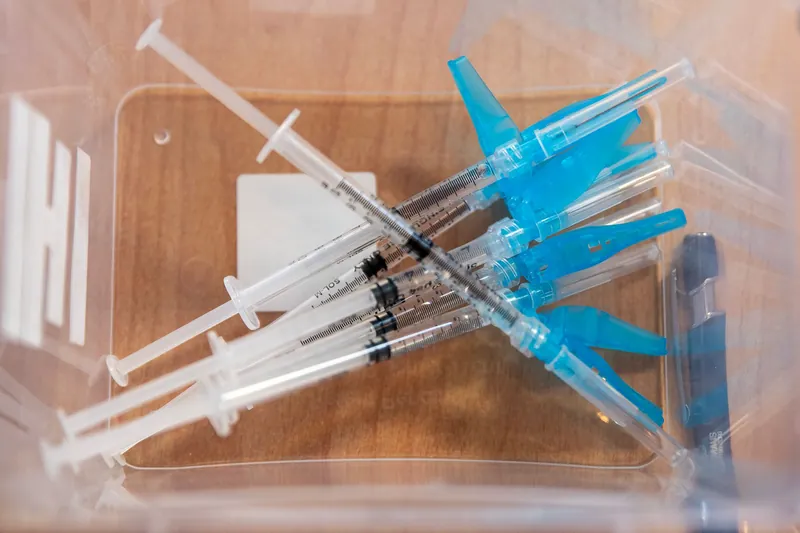
Yards, encampments, parks and rental properties receive needle and sharps cleanup.
See needle and sharps cleanup
Disinfection and drying follow sewage cleanup of Category 3 black water from raw sewage.
See raw sewage cleanup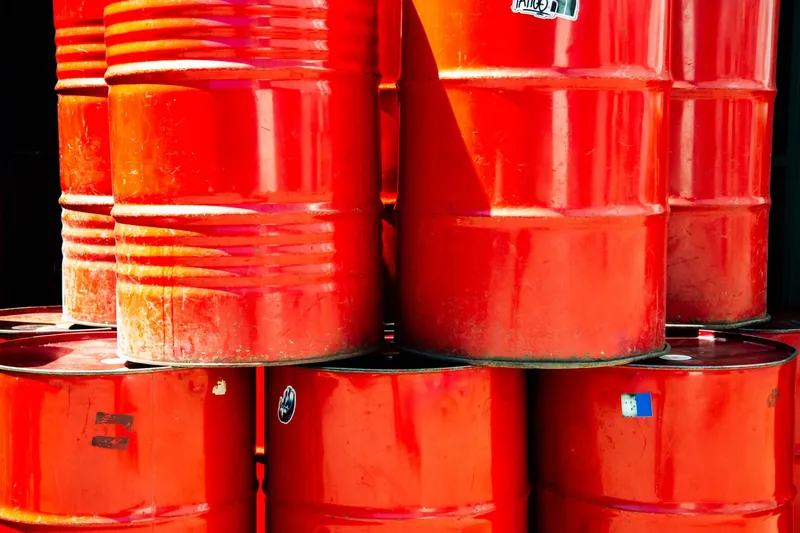
Biohazard waste is collected in labeled, sealed containers and taken for disposal.
See biohazard waste disposal
Crime scene cleaning begins after police release and covers blood, odor and the affected property.
See crime scene cleanupThe schedule reflects the affected area size and layout, contamination type, quantity of porous material needing removal and any requested checks after cleaning. Work in a contained area can take one work period. A large property can need separate stages for material removal, cleaning, odor work and inspection.
Coverage varies according to exactly what happened and the policy terms. For certain covered losses, commercial property insurance might apply subject to the deductible, limits and exclusions. Notify the insurance company of the event. Check whether the policy covers cleanup and business interruption, then verify the adjuster's required photos, records and approvals.
Keep employees and visitors away, establish a safe alternate route and do not move contaminated items. Contact 911 when danger is immediate, and take no action at a crime scene until law enforcement releases it. Notify your insurance company and building contact as needed, and stay outside while sharing what you know about access limitations.
Only employees with appropriate training, protective equipment and an exposure-control procedure should address occupational blood exposure. OSHA Bloodborne Pathogens Standard 29 CFR 1910.1030 applies when workers may be exposed. When blood spreads past clear edges, soaks into porous material or creates unsafe conditions, close the space and seek professional cleanup.
Frequently encountered hazards include injury-related blood, sewage overflows, discarded sharps, human waste, bodily fluids in shared spaces or restrooms, and contamination following a crime scene or death. The substance, affected surfaces and any tracking into surrounding areas should guide the response for each event.
A substance is considered a biological hazard when exposure could involve dangerous microorganisms or toxins. Used needles, sewage, bodily fluids, human waste, blood and contaminated porous materials are examples found in workplaces. Limit entry pending assessment of the affected area because hazards may appear openly or remain concealed below flooring and fixtures.
You can request respectful, discreet commercial and industrial biohazard cleanup 24 hours a day, and crews use unmarked vehicles.