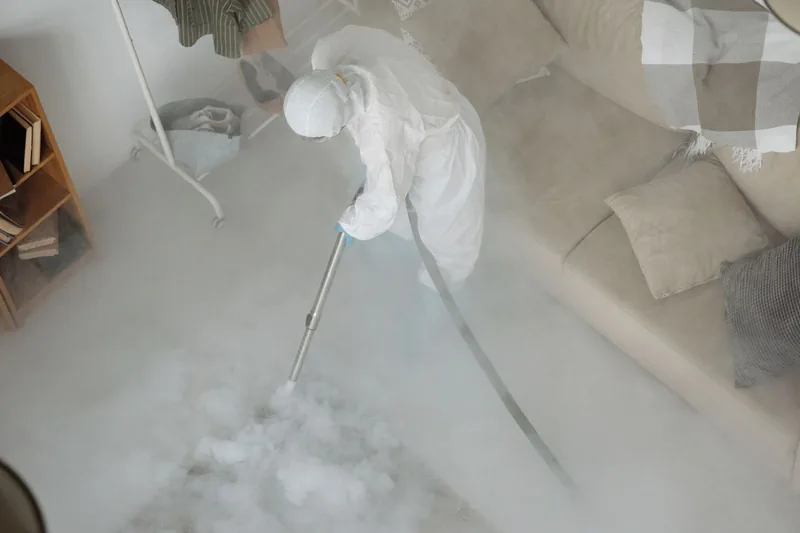
Biohazard Decontamination
Complete decontamination treats the room, its surfaces and the air after a hazardous or infectious exposure.
See biohazard decontaminationGet suspected fentanyl powder and residue assessed and cleaned from a home, rental, business or vehicle in Belle Meade. The cleanup can include containment, material removal, controlled disposal and verification.
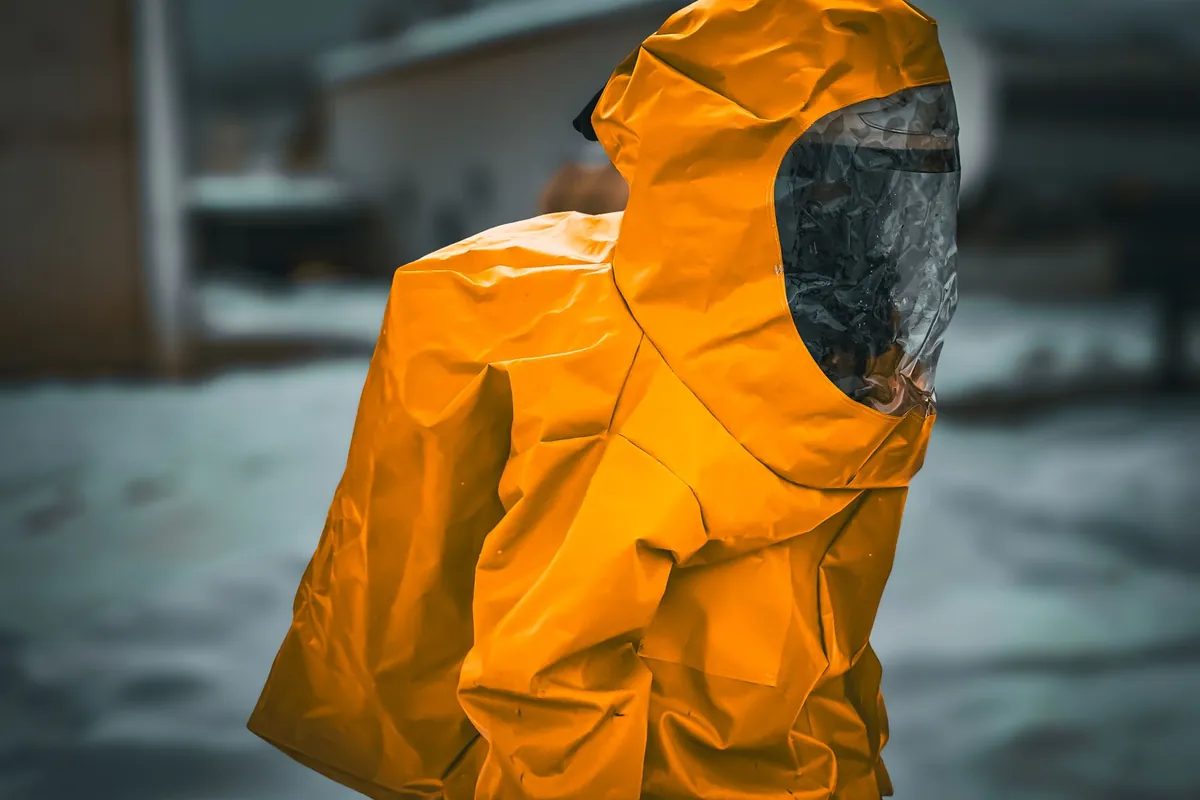
Fentanyl decontamination is the controlled cleanup of suspected fentanyl powder and residue from rooms, vehicles, belongings and building surfaces so the affected area can be evaluated for safe use.
Fentanyl is a powerful synthetic opioid, which makes this unlike routine cleaning. Sweeping, blowing or vacuuming its powder can transfer it onto surrounding surfaces, as can tracking it with footwear. In a professional process, movement is restricted, contaminated material is located and protective equipment is matched to the circumstances.
The scope may include residue assessment, containment, careful collection of loose material, surface cleaning, removal of items that cannot be cleaned, waste disposal and verification. Drug paraphernalia, needles, unknown powders or bodily fluids can add separate hazards. Each one is assessed before the cleaning process begins.
For property records or discussions with insurance companies, you can use testing files, waste documents, photos and scope details.
Each belonging is assessed for its material and contamination exposure. Items are listed and discussed with you before removal whenever conditions allow.
Day and night call answering is available. Crews protect your privacy by arriving in unmarked vehicles at homes, businesses, rentals or vehicles.
Testing proposals, included spaces and factors that may change cost are explained before you choose how to move forward.
Cleanup may be needed if a vehicle or property could still contain fentanyl powder, suspected residue or materials used for drugs. Examples often include:
Emergency response may leave behind used supplies, bodily fluids or loose powder, resulting in multiple contamination types.
Law enforcement has released the property, but suspected drug residue and items left behind still need controlled cleanup.
The substance is not confirmed, so the area is treated cautiously while testing, sharps and hazardous waste needs are considered.
Possible powder contamination extends to a car or truck's carpeting, seats, door panels, compartments or climate vents.
Prevent anyone from making contact or spreading the material. When a person shows possible opioid overdose signs, including unconsciousness or slowed breathing, call 911 for emergency assistance. If naloxone is on hand and you know its proper use, administer it.
Call (888) 351-0904Two published biohazard pricing guides put each fentanyl cleanup job at $3,000 to $20,000 in one range, with the other at $5,000 to $30,000 for a job. The figures are broad guidance rather than a price for your site. Residue amount, how far it traveled, testing, protective gear, waste disposal and required material removal shape the actual scope.
These national ranges are taken from published cost guides, rather than a property visit. You learn what your property will cost after the on-site assessment and before any work begins.
Ask about cost: (888) 351-0904Coverage for fentanyl cleanup depends on the insurance policy, what caused the loss and the kind of property involved. Unless an immediate safety emergency exists, contact the insurance company before cleanup begins. Never presume that the policy includes drug residue.
Homeowners or renters insurance is usually the first place to ask about cleanup costs. After a death the estate often pays, and in a rental the owner usually arranges the cleanup.
Save waste documents, an item list, testing records, the cleanup scope, safely taken photos and the incident report to support insurance assistance or property records.
The property owner may set up cleanup first, then resolve costs under the lease, an insurance claim or a legal process. Who must pay depends on what occurred.
Contamination, unlawful activity or damage by tenants may be excluded under a policy. Give the facts, request a decision about coverage and save your claim number.
Fentanyl remediation starts with an assessment, followed by containment and cleaning. Disposal and verification come afterward. The specific approach is based on what the substance is, how much is present, the types of surfaces involved and whether it stayed in one location or traveled farther.
Technicians examine the discovered material, law enforcement details and potentially impacted belongings, rooms or parts of a vehicle.
When identification or boundaries are unclear, samples can be collected under controlled conditions and sent for appropriate analysis.
Technicians limit access, evaluate air movement and choose respiratory protection, clothing and gloves suited to the recorded conditions.
To reduce the chance of particles entering surrounding areas, workers gather loose material without dry sweeping or a regular vacuum.
A suitable opioid residue method and cleaning product are applied to hard surfaces based on each material's needs and product directions.
Porous or damaged items that cannot be cleaned adequately are separated, packaged and listed before leaving the work area.
After powder, worn protective equipment and removed material are packaged, their classification guides the appropriate waste destination.
After the scope is finished, technicians inspect it and may collect follow-up samples when the plan or property choice requires them.

Phone any hour. You speak with a fentanyl decontamination specialist who outlines the process and schedules a start time with you.
Suspected fentanyl residue calls for caution because inhaling powder or getting it into the mouth, nose or eyes can cause serious harm, especially when the amount and substance are unknown.
Dry sweeping, ordinary vacuuming, compressed air and foot traffic can move fine particles from the original spot to nearby rooms, belongings or vehicle surfaces.
Contact with personal property, cleaning equipment, footwear or hands can transfer residue. A larger remediation process may be avoided by containing residue inside the original affected area.
Powder you can see might be fentanyl, a different drug or mixed substances. You cannot identify the material by sight, which means testing and a careful evaluation might be necessary.
Can you clean it yourself? Do not treat an unknown powder like an ordinary household spill. Brief skin contact with fentanyl is unlikely by itself to cause an overdose, but you should leave the area, avoid touching your face and wash exposed skin with soap and water. Contact 911 when someone is unresponsive, severely drowsy or struggling to breathe.
Cleaning may be possible for hard surfaces that can be reached, but deeply contaminated porous materials might require removal. Decisions depend on material condition along with verification requirements.
One workday may be enough for a small fentanyl cleanup that remains contained. Work can continue for several days if it involves multiple rooms, material removal, the inside of a vehicle or laboratory testing. A useful schedule comes from the assessment.
| Scene | Typical time on site |
|---|---|
| Small, contained hard-surface area | May take no more than one workday after the assessment |
| One room or vehicle with several surfaces | May require one to several workdays |
| Several spaces with removal or laboratory testing needs | May take several days, plus laboratory time |
Smell is not a dependable way to decide whether fentanyl residue remains in a vehicle or room because the residue may lack a reliable warning odor. Air fresheners, fragrance and ozone cannot take the place of removing residue and decontaminating surfaces.
Air quality measures are used to limit particle movement throughout cleanup. Suitable filtration equipment may be used along with containment and managed airflow, but these steps do not eliminate the need to collect the source and clean contaminated surfaces. When an unrelated substance creates persistent odor, it must be identified separately before that odor is removed.
The full fentanyl decontamination guide covers what is cleaned or removed, odor and air quality work, and the rules that apply in Florida and Miami-Dade County.
Read the full fentanyl decontamination guideContainment, entry and cleanup plans can be influenced by local housing, population and access details.
The approximately 1.7 mile trip to North Shore Medical Center matters when an injury must be assessed before anyone returns to the affected space.
Bayside, Shorecrest, and Little River Central are nearby, which helps define practical routes for crews, equipment, and sealed waste containers.
A neighborhood address can differ from its broader city label, making the full street and unit information important for discreet cleanup access.
Your phone conversation can include questions about service in nearby ZIP codes and communities.
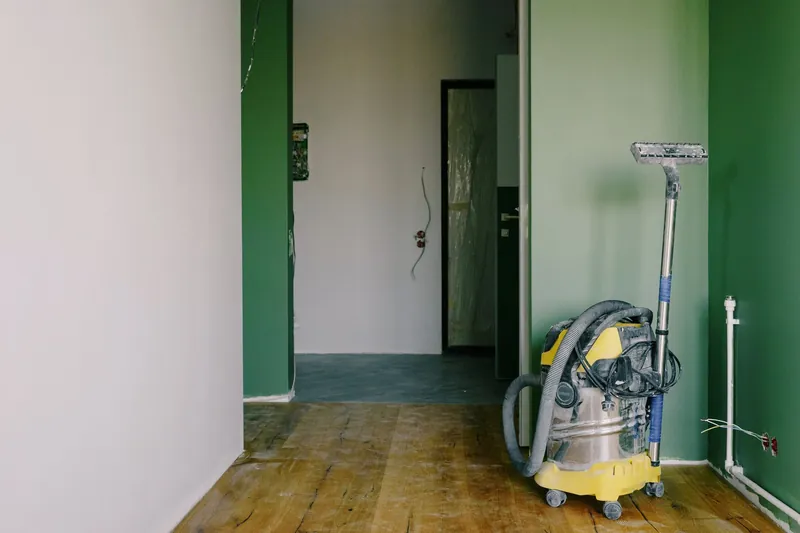
Complete decontamination treats the room, its surfaces and the air after a hazardous or infectious exposure.
See biohazard decontamination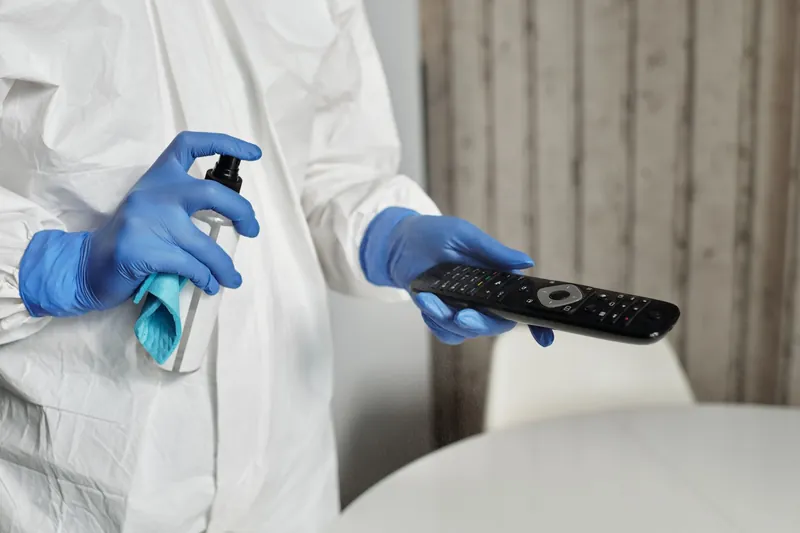
Contamination is cleared through biological remediation, returning the space to safe use.
See biohazard remediation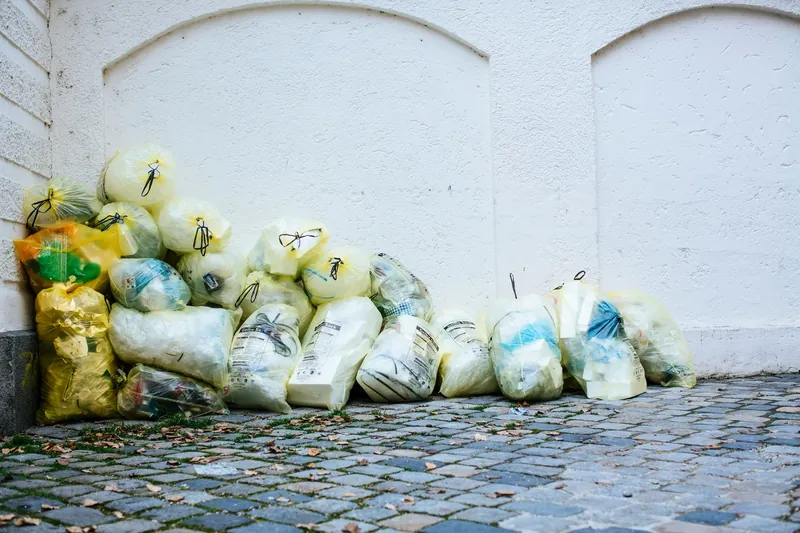
Needles, drug residue and pipes are removed from properties and rental units.
See drug paraphernalia cleanup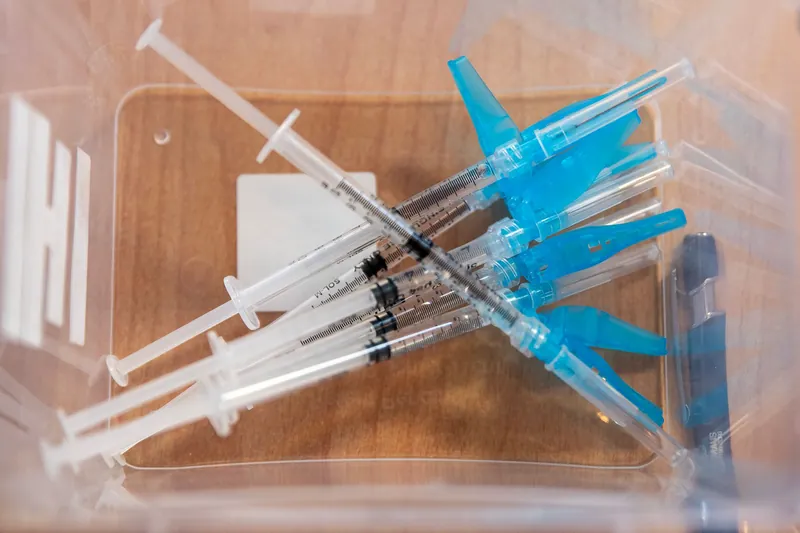
Needle and sharps cleanup for yards, rentals, parks and encampments.
See needle and sharps cleanup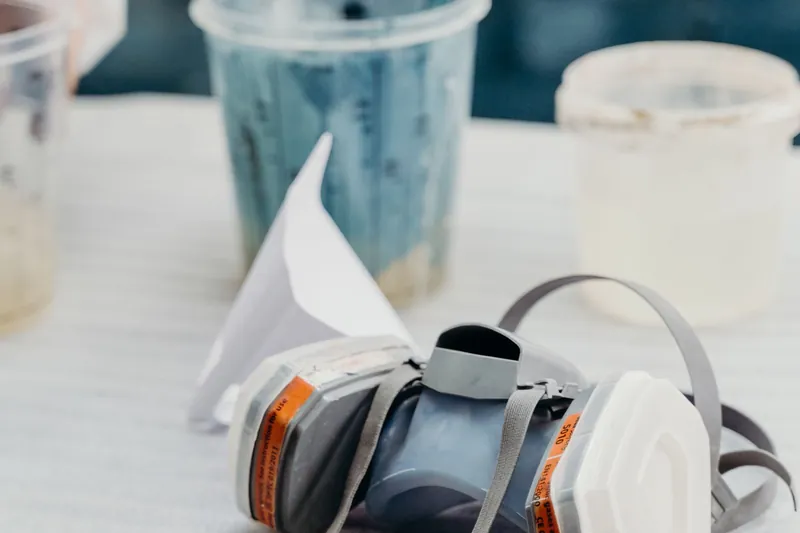
Residue tests, decontamination and clearance procedures are all part of meth lab cleanup.
See meth lab cleanup
Protective equipment suited to hazardous materials is used during hazmat cleanup.
See hazmat cleanup
Biohazard cleanup treats cars, trucks, boats and RVs.
See vehicle biohazard cleanup
Rental property biohazard cleanup covers hotels and Airbnb units as well as rentals.
See hotel, airbnb and rental biohazard cleanupThe process starts with locating affected areas in the house, followed by limits on access to the work zone. Controlled methods are used to gather loose material. A suitable opioid contamination process is applied to surfaces that can be cleaned, and heavily impacted porous material might require removal. An inspection documents completion of the cleaning process, with follow-up samples added when needed.
Do not use elapsed time as proof that a surface is safe. Decisions depend on substance type and amount, surface material, moisture, temperature and cleaning that was already attempted. If suspected residue remains, keep the area restricted and base cleanup decisions on assessment, an appropriate decontamination method and any verification in the scope.
Never create your own chemical blend to address possible fentanyl. Use only a product appropriate for both the identified contamination and surface, following every application direction. Your skin should never be treated with bleach or harsh chemicals. After skin exposure, exit the space and wash the affected area with water and soap.
Possible residue calls for caution even though touching skin briefly is unlikely on its own to result in overdose. Keep your hands away from your face. Move away from the area and use soap and water on skin that was exposed. Call 911 at once if someone has slow breathing, severe sleepiness or cannot be awakened.
Law enforcement may collect evidence and illegal drugs, but property decontamination is generally a separate step after release. Verify that entry is allowed and learn whether anything must stay undisturbed, then arrange cleaning for remaining contamination, drug items or impacted materials.
Published biohazard pricing guides list broad fentanyl cleanup ranges of $3,000 to $20,000 and $5,000 to $30,000 per job. Testing, waste disposal, the affected area, removal needs and protective gear determine the scope. Your property requires an onsite assessment before any guide range can be considered applicable.
Respectful, discreet fentanyl decontamination is available 24 hours a day, and crews arrive in unmarked vehicles.