COVID-19 and Virus Disinfection
Homes, workplaces and common areas receive virus disinfection following an outbreak.
See covid-19 and virus disinfectionGet infectious disease cleanup for a home, office, school, rental or shared space in Bal Harbour. The process covers cleaning, EPA-registered disinfectants, label contact time and a final check of treated surfaces.
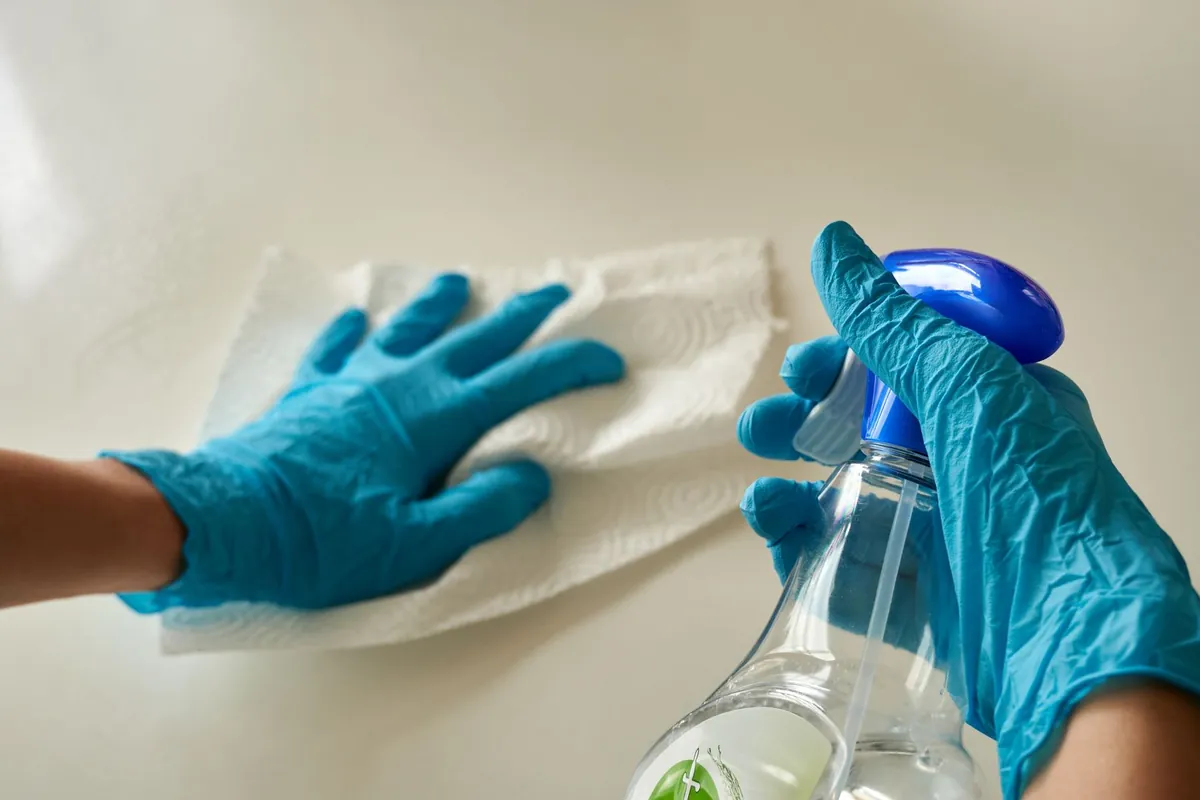
Infectious disease cleanup uses an organized cleaning and disinfection plan wherever disease-causing bacteria, viruses or other germs may be present. Attention is given to the affected zone, nearby surfaces and objects touched often.
The use of the room, the possible contaminant and the compatibility of each material guide the cleaning plan. Any visible soil comes off before disinfection. An EPA-registered disinfectant is applied next, following all label directions. For the product to work as directed, treated surfaces need to remain wet during the entire contact time shown on that label.
A suitable setting may be a residence, school, workplace, restaurant, rental, healthcare facility or vehicle used by several people. The difference from ordinary cleaning is that a possible or confirmed infectious disease concern defines the work. If hazardous materials, blood or bodily fluids are involved, the job becomes biohazard remediation and could call for added protective gear, disposal of waste and removal of materials.
The scope should tell you what happens step by step, which spaces and items receive treatment and which areas do not.
By using unmarked vehicles and limiting work to affected areas, crews help you move forward without unwanted attention.
You should get a clear explanation of product choice, mixing, compatible materials and contact time, without claims that brief spraying will work.
You may identify fragile items in advance and discuss which ones should receive cleaning, be relocated or remain untouched.
You may need infectious disease cleaning when ordinary janitorial work cannot address a known illness, suspected exposure or contamination incident. Common examples are:
Your household can receive focused work across shared living areas, kitchens, bathrooms and bedrooms when extra help is needed.
Each surface is treated according to the disinfectant label, with extra care given to common touchpoints.
Targeted cleaning and disinfection after a reported illness or exposure in a home, workplace or shared facility.
A defined scope for offices, schools, rentals and other places where several people use the same rooms and fixtures.
Before cleanup, keep others from entering the affected space and gather clear information for the technicians. Begin with these actions:
Call (888) 351-0904Published cost guides list virus decontamination at $1,500 to $3,500 per job and infectious disease decontamination at $1,000 to $8,000 or $2,000 to $8,000 per job. Another biohazard cleanup cost guide lists infectious disease disinfection at $1,500 to $10,000 per job. Your price depends on the space, germ, surface count, air system work and whether testing is needed.
The figures shown are national ranges from published cost guides and are not based on an on-site visit. You learn what your property will cost after the on-site assessment and before any work begins.
Ask about cost: (888) 351-0904Insurance coverage varies with your policy, the contaminated property and what caused the event. Preventive cleaning and routine disinfection should not be presumed covered. When possible, ask the insurance company about your specific circumstances before authorizing work.
Insurance assistance can include organizing the service scope, affected-area photos when appropriate, invoices and a list of surfaces treated for your claim file.
Responsibility can depend on the lease and the part of the property involved. Check the documents first to establish who has authority to approve cleanup.
A commercial policy can address cleanup costs differently than homeowners insurance does. Coverage is decided by the policy's wording together with the reason for the loss.
You can ask the insurer if cleanup is covered, which deductible applies and whether records such as photos or a work scope are required.
Remediation follows a plan based on the areas involved, the germ of concern and directions on the disinfectant label. Steps progress with a clear purpose from limiting access through reviewing the finished scope.
Cleanup involves identifying the rooms, high-touch surfaces, sensitive materials and any bodily fluids or waste that may change the work plan.
Access is restricted and a route from clean areas toward dirty ones protects surrounding spaces from equipment and people walking through.
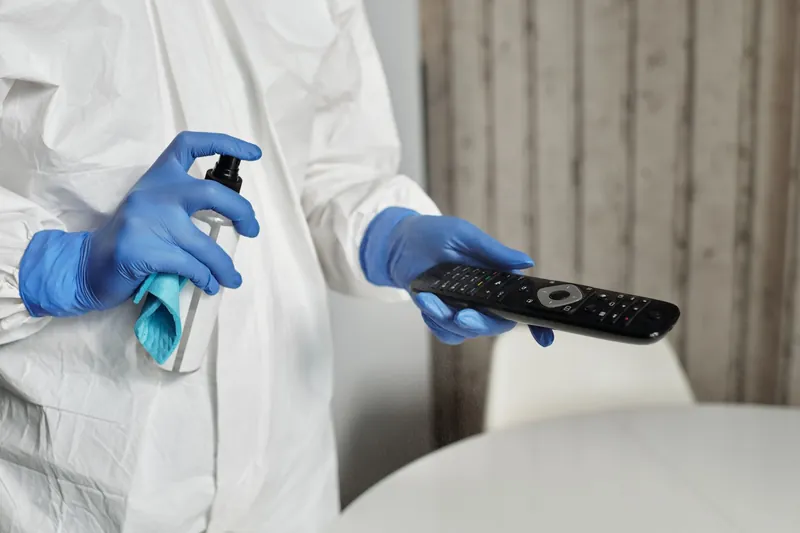
Selection of protective equipment and gloves reflects the chemical, job and exposure identified during scoping.
Methods appropriate to the material remove dirt, dust and residue you can see prior to disinfection.
For the complete contact time, surfaces that tolerate the product are kept wet with an EPA-registered disinfectant prepared as labeled.
Instead of relying only on a broad mist, treatment carefully covers counters, shared equipment, door hardware, switches and restroom fixtures.
Reusable tools are cleaned, disposable materials are contained and any hazardous waste is separated for the appropriate disposal path.
Checks at the end of the entire process match completed spaces to the scope, then you receive a clear record of treated rooms and surfaces.
Call any hour. An infectious disease disinfection specialist answers, explains the steps and agrees a start time with you.
The main risks are exposure to contamination, using a product incorrectly and missing surfaces that people touch. A careful cleanup process controls each of these issues instead of relying on a quick spray.
Chemical mixing, too much product and disregarded airflow directions may introduce further hazards. Use the label to guide product dilution, application and precautions.
Tools, cloths, footwear and gloves can carry contaminants to a different surface. Setting work boundaries and following an organized route lowers that risk.
Viruses and bacteria differ in how they spread and how long they remain viable. The suspected germ, surface and setting guide the disinfection plan.
Can you clean it yourself? With no known exposure or hazardous waste, and no bodily fluid present, ordinary cleaning could be enough. Professional cleanup offers you a documented, consistent approach if illness reaches multiple rooms, the space serves someone vulnerable or the affected area cannot be clearly defined.
The time depends on the size of the affected area, how many surfaces need attention, the product contact time and whether the space can be treated in sections. A site assessment is needed before a dependable schedule can be set.
| Scene | Typical time on site |
|---|---|
| Focused area in a home | Usually completed within one planned work session |
| Several rooms or a shared workplace | May be completed through planned sections or one longer session |
| A complex group of surfaces or large facility | Could take multiple scheduled periods of work |
Odor treatment is not an automatic part of infectious disease disinfection. If a smell continues, its cause could be an animal, bodily fluids, moisture, sewage, spoiled food or another source requiring separate cleanup. Simply covering an odor fails to eliminate the cause. Cleaning and disinfection cannot be replaced with fragrance.
The event determines whether air quality work is needed. Ventilation, wiping surfaces and treating an air system each involve separate work. Any treatment of air or HVAC components should follow occupied-space instructions and suit the building. Fogging or spraying cannot substitute for cleaning frequently touched surfaces, covering them fully with product and observing the contact time on its label.
OSHA Bloodborne Pathogens Standard 29 CFR 1910.1030 applies when workers can be exposed to blood or other potentially infectious materials.
Proper use requires a surface that tolerates the product and adherence to the EPA label for dilution, application and full contact time.
Florida calls it biomedical waste, and the term covers absorbent materials saturated with blood or body fluids. The Florida Department of Health's rules control packing, transport and treatment, so it cannot go in household trash. The material needs identification first, since regulated medical waste may be disposed of differently than ordinary cleaning waste.
Schools, food-service areas, medical settings and similar properties may use extra cleaning protocols. Current directions from public health authorities and the rules at your property continue to guide planning.
The full infectious disease disinfection guide covers what is cleaned or removed, odor and air quality work, and the rules that apply in Miami-Dade County.
Read the full infectious disease disinfection guide
Containment, entry and cleanup plans can be influenced by local housing, population and access details.
In Bal Harbour, 42.4% of homes are renter occupied, so privacy and simple communication matter when a property contact is involved.
The 1981 median year matters during odor work because cabinets, wall cavities, and floor layers can hold the source.
In Bal Harbour, 318 older adults live alone, making privacy important when relatives, landlords, or building staff become involved.
In areas with 4.9% single-family housing, fluids can travel through floor joints or utility openings toward spaces below.
Ask on the call about cleanup options for neighboring communities and ZIP codes.
Homes, workplaces and common areas receive virus disinfection following an outbreak.
See covid-19 and virus disinfection
Cleanup in gyms, residences and care settings addresses C. diff, norovirus and MRSA.
See mrsa, c. diff and norovirus cleanup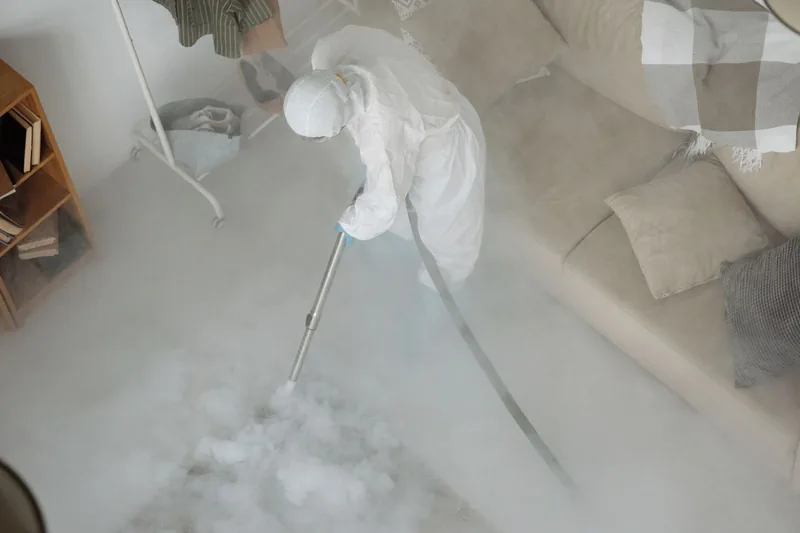
After exposure to infectious or hazardous material, the air, room and surfaces are fully decontaminated.
See biohazard decontamination
A contaminated space is restored to safe use through biological remediation and contaminant removal.
See biohazard remediation
Commercial and industrial biohazard cleanup planned around site access and operating needs.
See commercial and industrial biohazard cleanup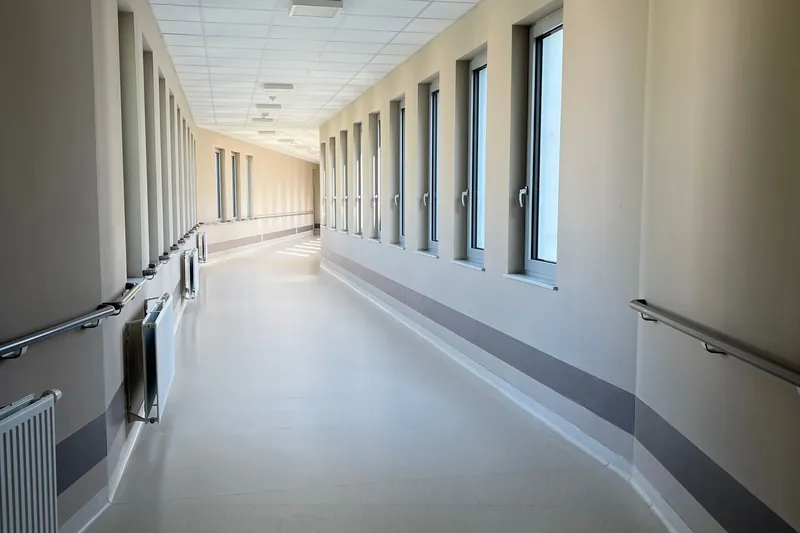
Biohazard cleanup for clinics, care homes and healthcare facilities.
See hospital and healthcare biohazard cleanup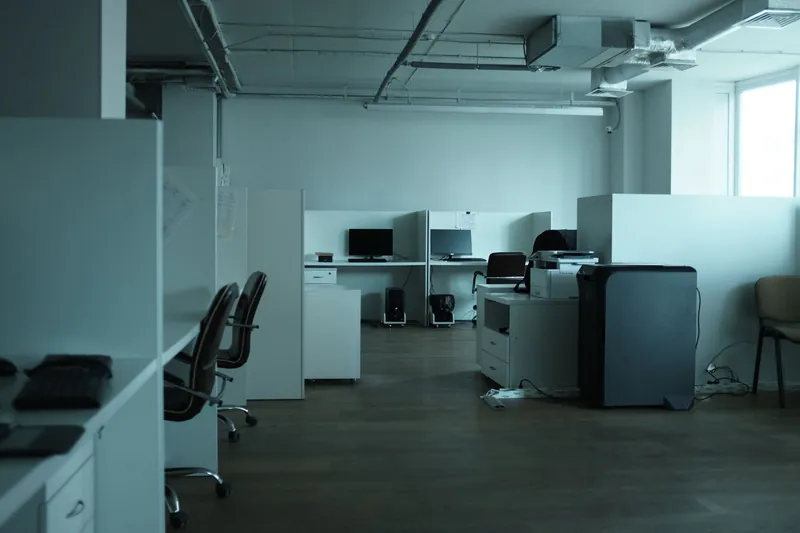
Workplace biohazard cleanup addresses offices after injuries or exposure incidents.
See office and workplace biohazard cleanup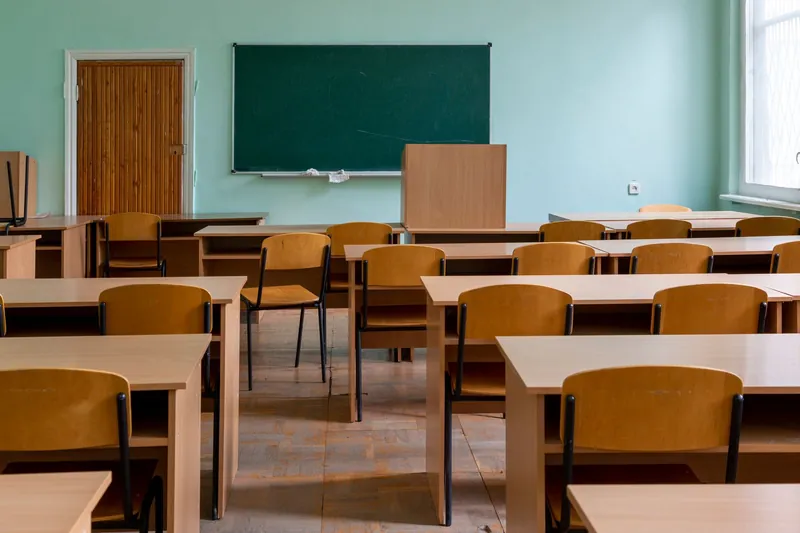
Outside teaching hours, biohazard cleanup treats daycare and school facilities.
See school and daycare biohazard cleanupOne environmental step cannot suit each setting and every disease. Depending on the situation, cleaning and disinfection, hand hygiene, airflow, protective equipment and advised separation from others may all be important. Observe current instructions that apply to the particular disease. For surface work, cleaning first and observing the disinfectant label contact time are essential parts of the process.
Begin by clearing people from the affected area and cleaning any soil you can see on compatible materials. Observe the full contact time and dilution on the label when applying an EPA-registered disinfectant. Do not mix products, and concentrate on items that people touch frequently. For the latest medical, isolation or testing guidance, consult the public health authority or your healthcare professional.
Urine does not automatically receive identical treatment in every situation. How you manage it may change based on waste rules, quantity, whether it contains blood and the medical condition at issue. Avoid direct contact, keep others away and explain the situation clearly before cleanup so the correct protective gear and disposal path can be chosen.
First remove soil and material you can see, then use an EPA-registered product on suitable surfaces that receive frequent contact. The label states how to apply the product, ventilate the area, choose protective gear and keep surfaces wet. Clean reusable equipment according to directions, secure disposable waste and keep worn gloves or cloths from entering surrounding areas.
While plenty of bacteria cause no harm, certain kinds may be biological hazards due to their ability to cause illness. The level of concern depends on the organism, the route of exposure and the setting. Ordinary surface disinfection may not be enough when contamination with sewage, medical waste, bodily fluids or blood calls for biohazard cleanup.
One workable environmental method is limiting access before cleaning off dirt and disinfecting compatible materials. Infection control also includes personal hygiene, protective equipment and following current health guidance. Specific measures change with the possible germ and environment, meaning protocols in healthcare settings may differ from those used at homes, offices or restaurants.
You can request respectful, discreet infectious disease disinfection 24 hours a day, and crews use unmarked vehicles.